Sustainable Housing: Real Costs, Designs, and Why It Matters Today
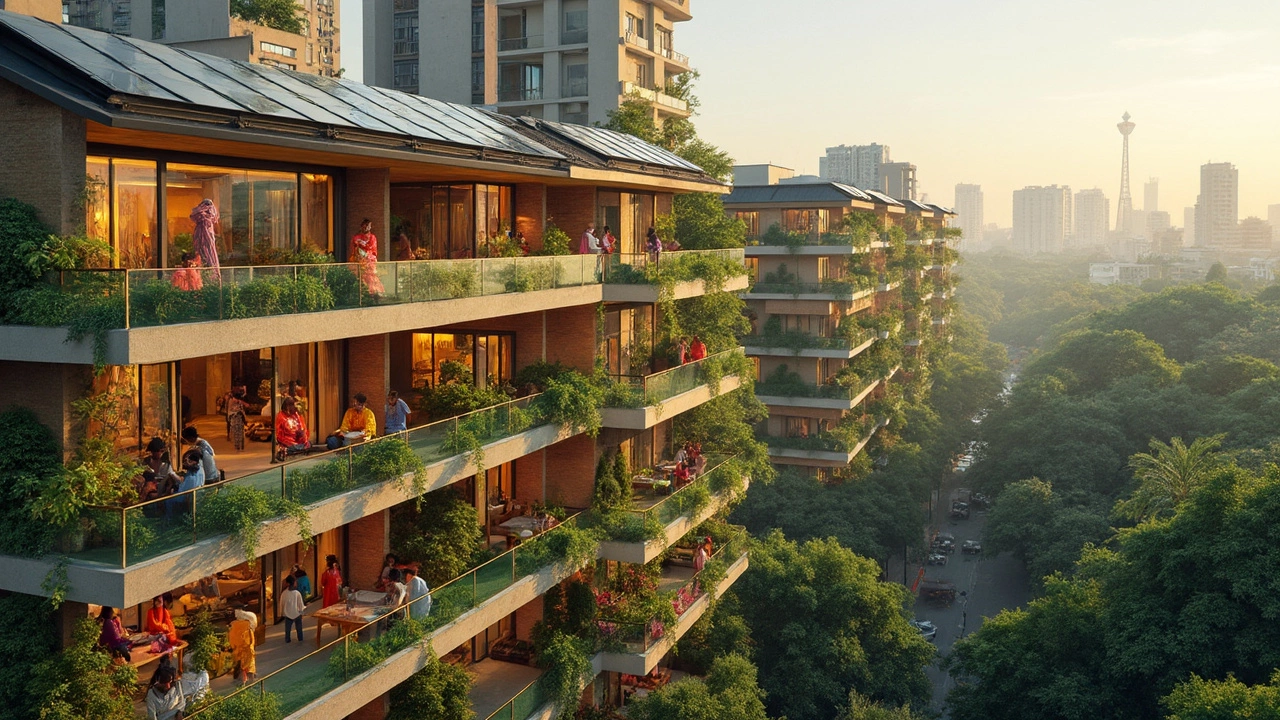
When we talk about sustainable housing, homes built to minimize environmental impact through energy efficiency, renewable materials, and low-waste design. Also known as green homes, it’s not just about solar panels and recycled wood—it’s about building something that lasts, costs less over time, and doesn’t drain the planet. You’ve probably seen ads for $37 million net-zero mansions or $1 billion eco-cottages in British Columbia. But here’s the truth: sustainable housing doesn’t have to cost a fortune to make a real difference.
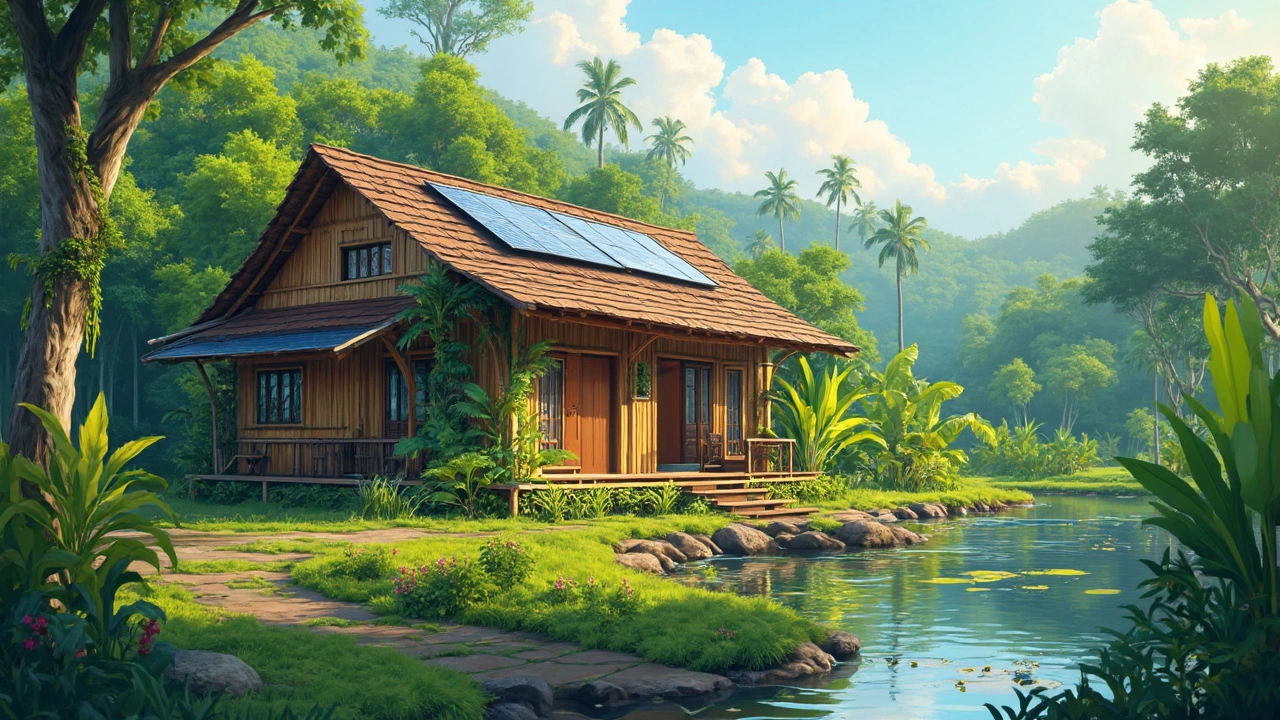
What makes a home truly sustainable? It’s not just one feature. It’s the whole system: how it heats, how it cools, where its power comes from, and even how the water is managed. A eco-friendly cottage, a small, energy-efficient home often built with natural or reclaimed materials. Also known as green cottage, it can be as simple as a cabin with good insulation and rainwater collection. On the other end, a net-zero mansion, a large home that produces as much energy as it uses over a year, often with rooftop solar, geothermal heating, and smart energy storage. Also known as off-grid luxury home, it proves sustainability isn’t about sacrifice—it’s about smart tech and long-term thinking. Both types share the same goal: reduce waste, lower bills, and live in harmony with nature.
People often think sustainable housing is expensive upfront—and yes, some materials cost more. But look at the long game. A well-built eco-friendly home cuts energy bills by 50% or more. Government grants help offset costs. Resale value climbs. And if you’re staying long-term? The savings add up faster than you think. Even if you’re not building from scratch, you can make your Airbnb or vacation cabin more sustainable with simple upgrades: LED lights, low-flow showers, compost bins, and non-toxic cleaners.
What you’ll find below isn’t a list of fancy homes or marketing fluff. It’s real talk from people who’ve lived in these spaces. You’ll read about how long tiny houses actually last, what’s hidden in those $800-a-night glamping deals, and whether a $1 billion eco-cottage is a masterpiece—or just a status symbol. Some posts will challenge what you think you know about luxury, comfort, and responsibility. Others will show you how to make your next stay greener without spending a fortune. This isn’t about being perfect. It’s about making better choices—one stay, one upgrade, one decision at a time.