Sustainable Homes: Real Costs, Benefits, and What Makes Them Last
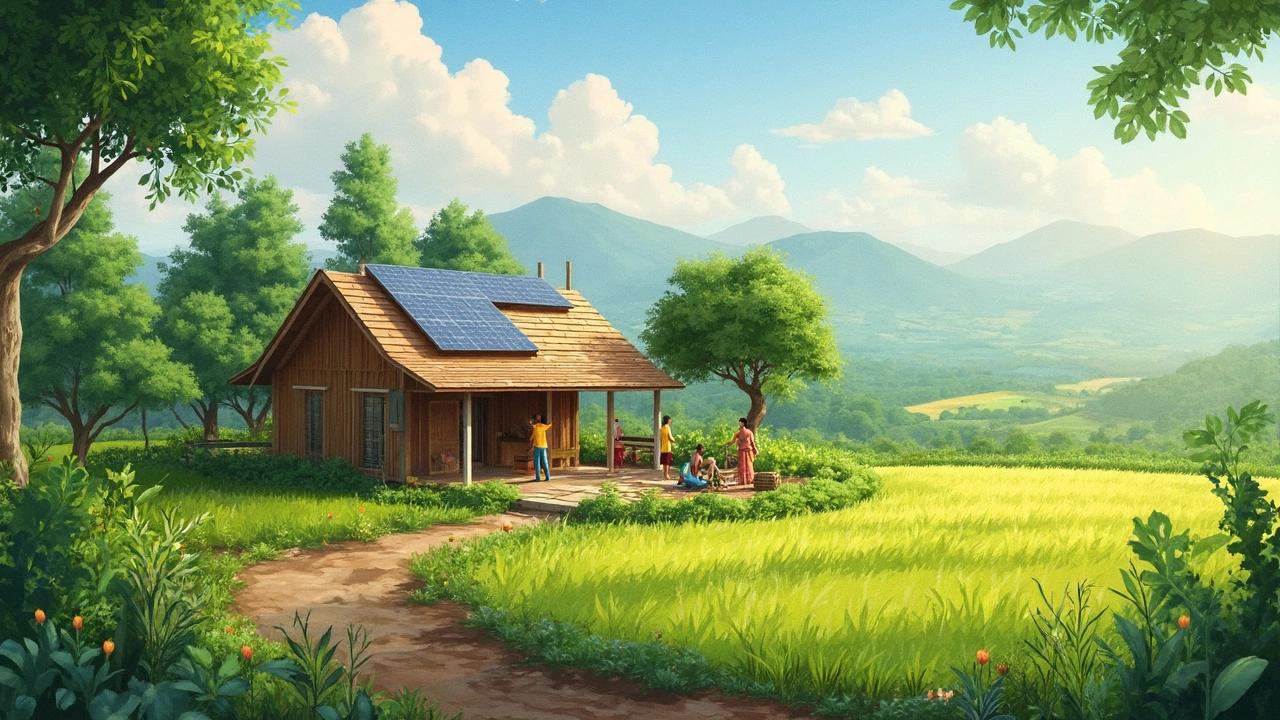
When you hear sustainable homes, homes designed to use less energy, waste less water, and harm the environment as little as possible. Also known as green homes, they’re not just about solar panels and recycled wood—they’re about building smarter for the long term. Think of them as homes that pay you back over time, not just in lower bills but in peace of mind. You don’t need a $37 million net-zero mansion to live sustainably. Even a simple eco-friendly cottage can cut your energy use by half if it’s built right.
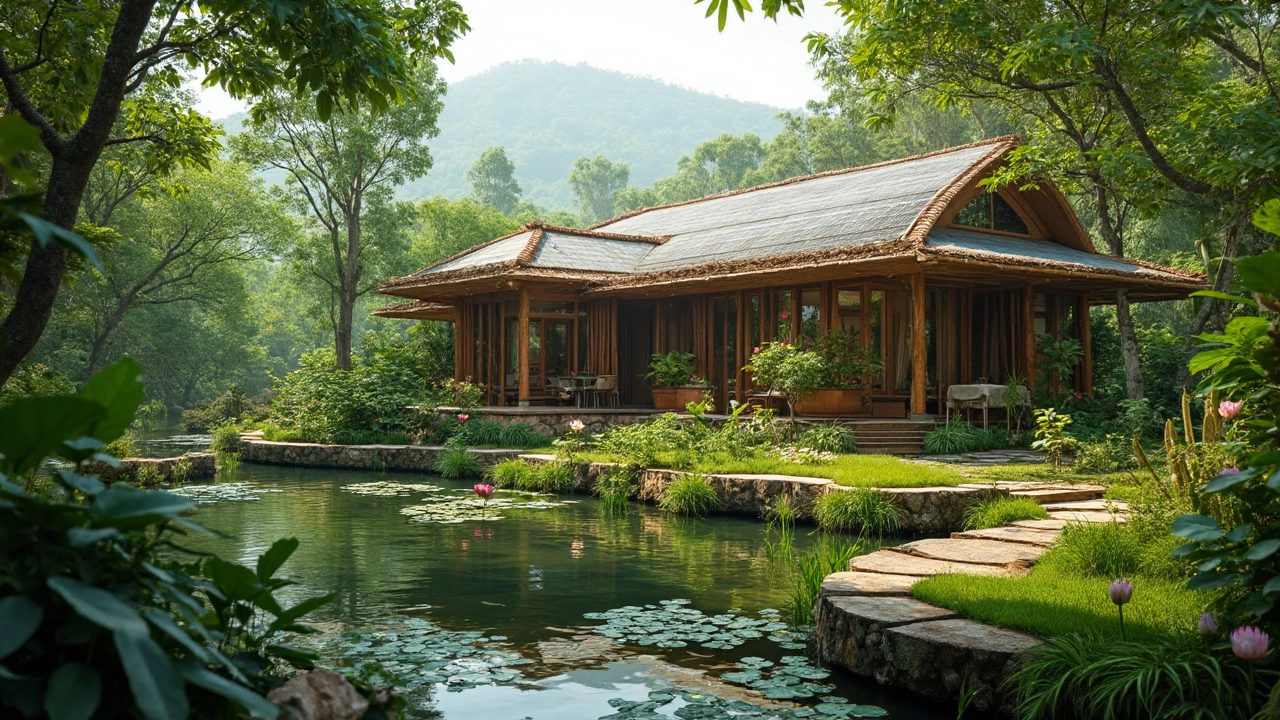
What makes a sustainable home, a structure built with materials and systems that reduce environmental impact over its entire life cycle. Also known as eco-friendly cottages, it work? It’s not magic. It’s insulation that actually works, windows that don’t leak heat, and systems that generate their own power. Some homes, like the $1 billion eco-friendly cottage in British Columbia, even grow their own food and recycle all their water. But most people don’t need that. They just need a home that doesn’t waste. A well-built tiny house can last 30 to 50 years. A vacation cabin with proper maintenance can outlive a standard hotel room by decades. The key isn’t size—it’s how you build and care for it.
There’s a myth that green means expensive. But the truth? Many energy efficient homes, homes designed to use minimal energy for heating, cooling, and electricity. Also known as green homes, they save money over time. Government grants, lower utility bills, and higher resale value add up. You can make your Airbnb eco-friendly with simple swaps: LED bulbs, low-flow showerheads, compost bins. You don’t need to rebuild. You just need to think differently. And if you’re planning a getaway, knowing what makes a sustainable home work helps you pick the right cottage or glamping site—ones that actually match the promises.
Whether you’re curious about tiny houses, luxury net-zero mansions, or just want to know if your next cabin rental is truly green, the posts below cover it all. You’ll find real numbers, hidden traps, and straight answers—not marketing fluff. No guesswork. Just what works.