Sustainable Cottages: Eco-Friendly Stays That Last and Care for the Planet
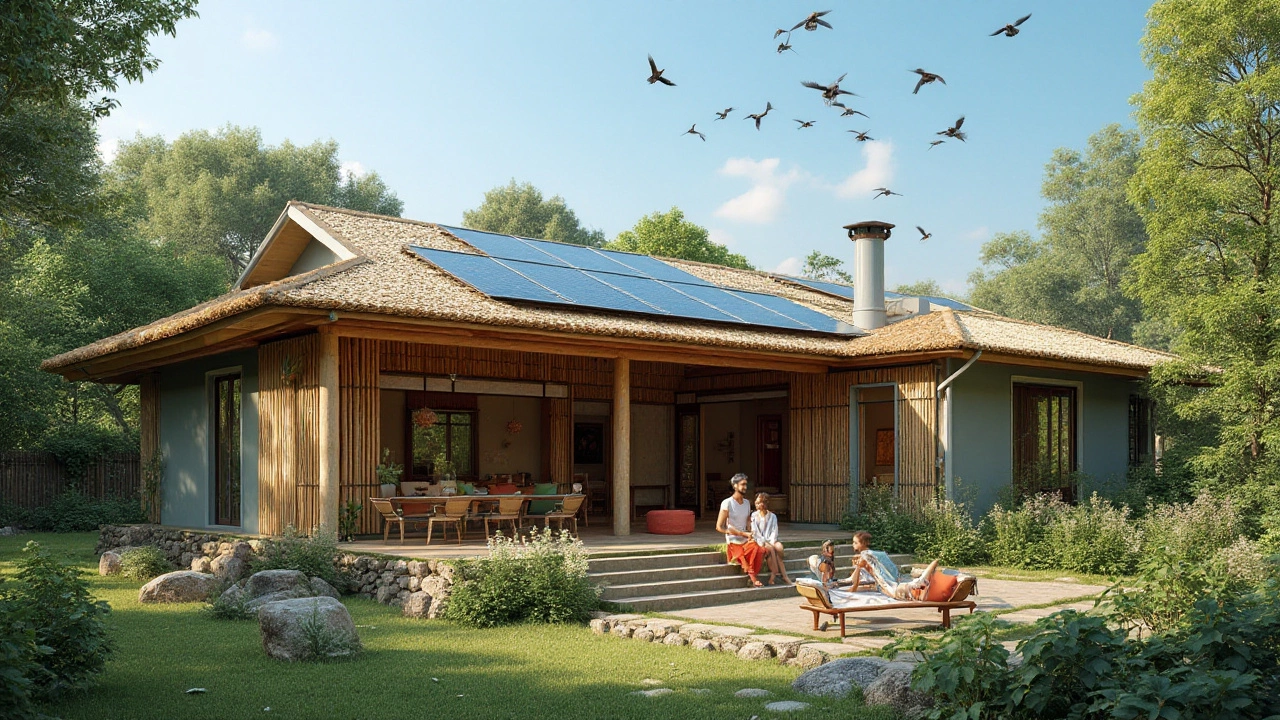
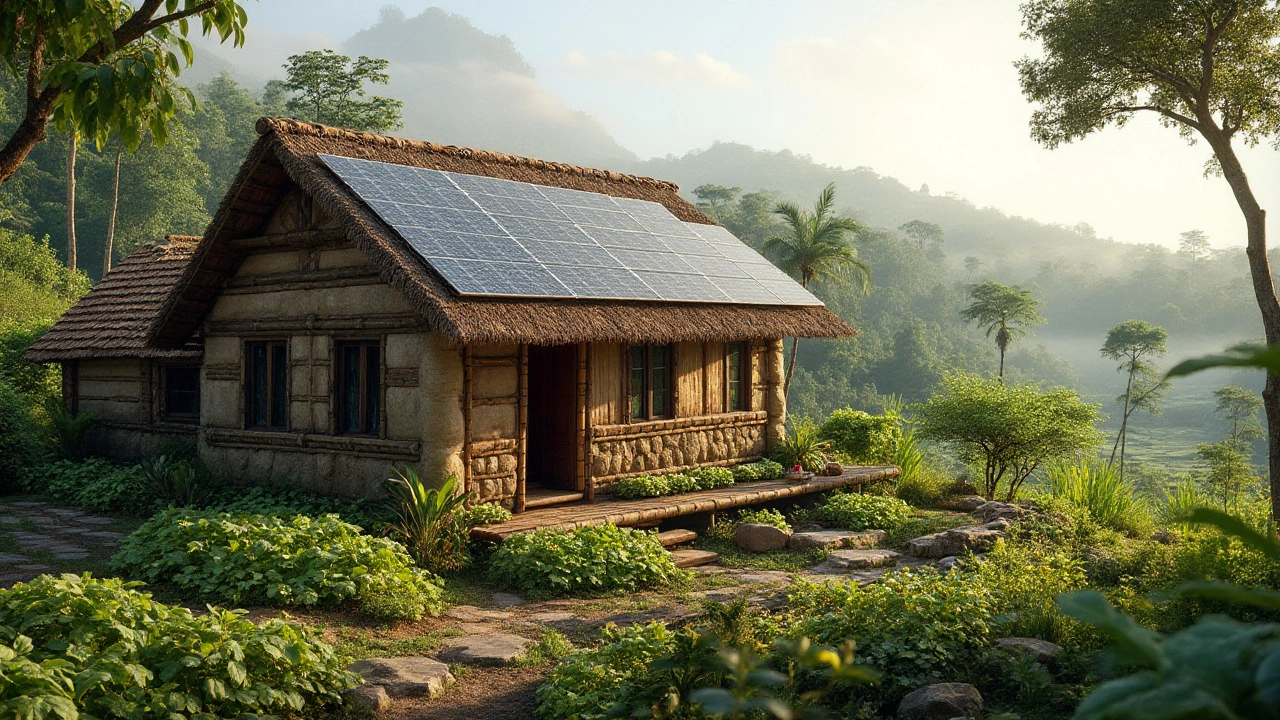
When you think of a sustainable cottage, a small, energy-efficient home built with natural, low-impact materials and designed to minimize waste and carbon output. Also known as eco-friendly cottage, it’s not just a vacation spot—it’s a statement. These aren’t fancy glamping tents or overpriced treehouses. They’re real homes, built to last decades, using solar power, rainwater systems, and locally sourced wood, all while blending into the landscape instead of fighting it.
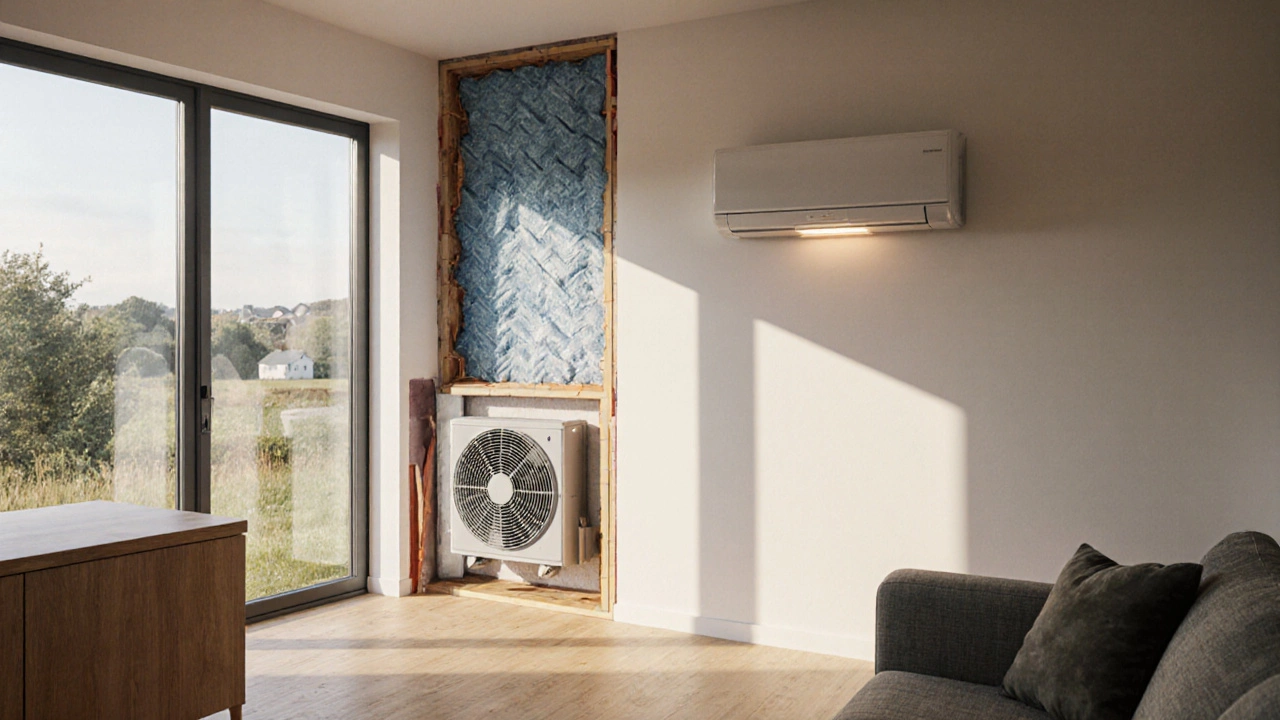
Sustainable cottages rely on a few key things: net-zero home, a structure that produces as much energy as it uses, often through solar panels, insulation, and smart design, eco-friendly destinations, places where tourism supports conservation, not destruction, and green living, a daily practice of reducing waste, conserving water, and choosing renewable resources. You can’t have one without the others. A cottage with solar panels but single-use plastic toiletries? That’s not sustainable. A cabin made from reclaimed timber but powered by a diesel generator? Still not it. Real sustainable cottages tie everything together—how they’re built, how they run, and how guests behave while staying there.
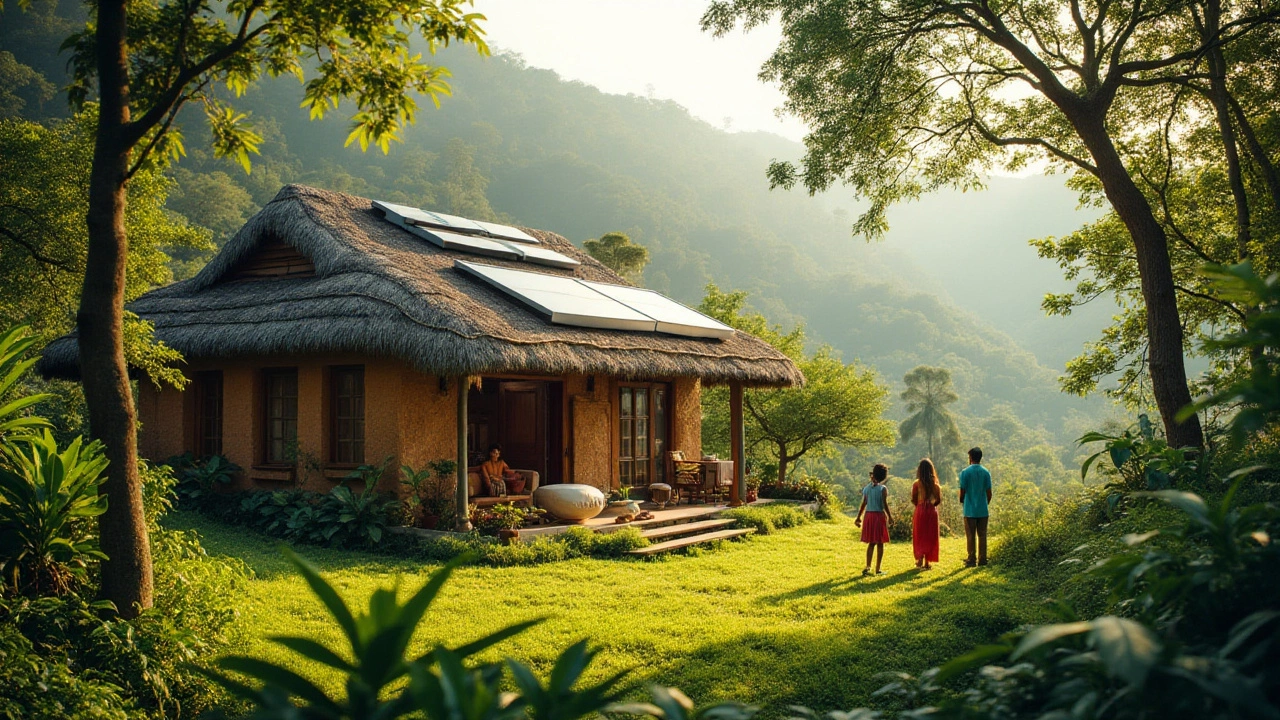
People often assume eco-friendly means basic or uncomfortable. That’s not true. Some of the most expensive homes in the world—like the $1 billion net-zero cottage in British Columbia—are also the most sustainable. They generate their own power, recycle every drop of water, and grow their own food. You don’t need a billion-dollar budget to get the same principles, though. In India, places like Woodland Retreat are showing how cozy, affordable cottages can still use composting toilets, solar water heaters, and locally made furniture. The goal isn’t perfection—it’s progress. Every time you choose a sustainable cottage over a concrete hotel, you’re voting for cleaner air, less waste, and quieter forests.
What you’ll find below isn’t just a list of articles. It’s a guide to understanding what makes these cottages work, what to look for when booking, and how to spot the real deal from the greenwashed ones. You’ll learn how long they last, what features actually matter, why some cost more—and why that’s okay. Whether you’re planning a quiet weekend away or thinking about how to make your own rental greener, these posts give you the facts without the fluff.