Sustainable Building: What It Really Means and How It’s Changing Homes
When we talk about sustainable building, the practice of designing and constructing homes to minimize environmental impact while maximizing efficiency and longevity. Also known as green building, it’s not just a trend—it’s a shift in how we think about shelter, resources, and responsibility. It’s not about slapping on a few solar panels and calling it done. Real sustainable building means thinking through every material, every drop of water, every watt of energy—from the foundation to the roof.
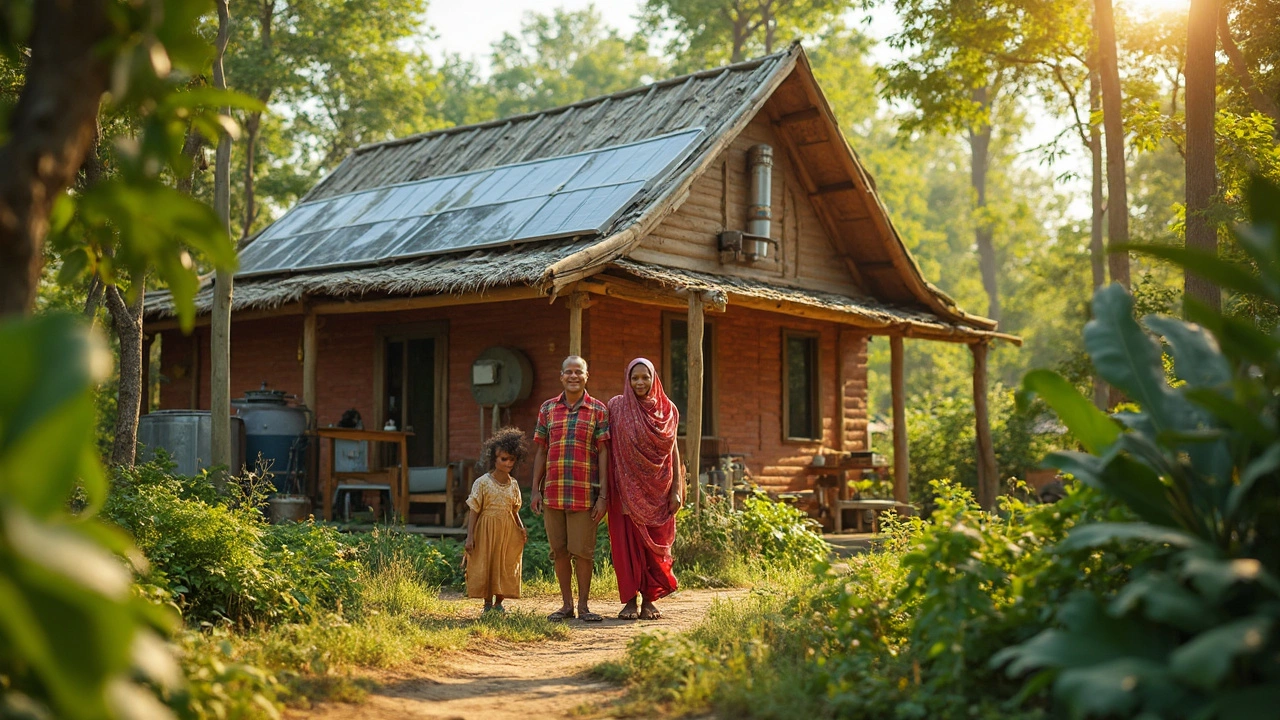
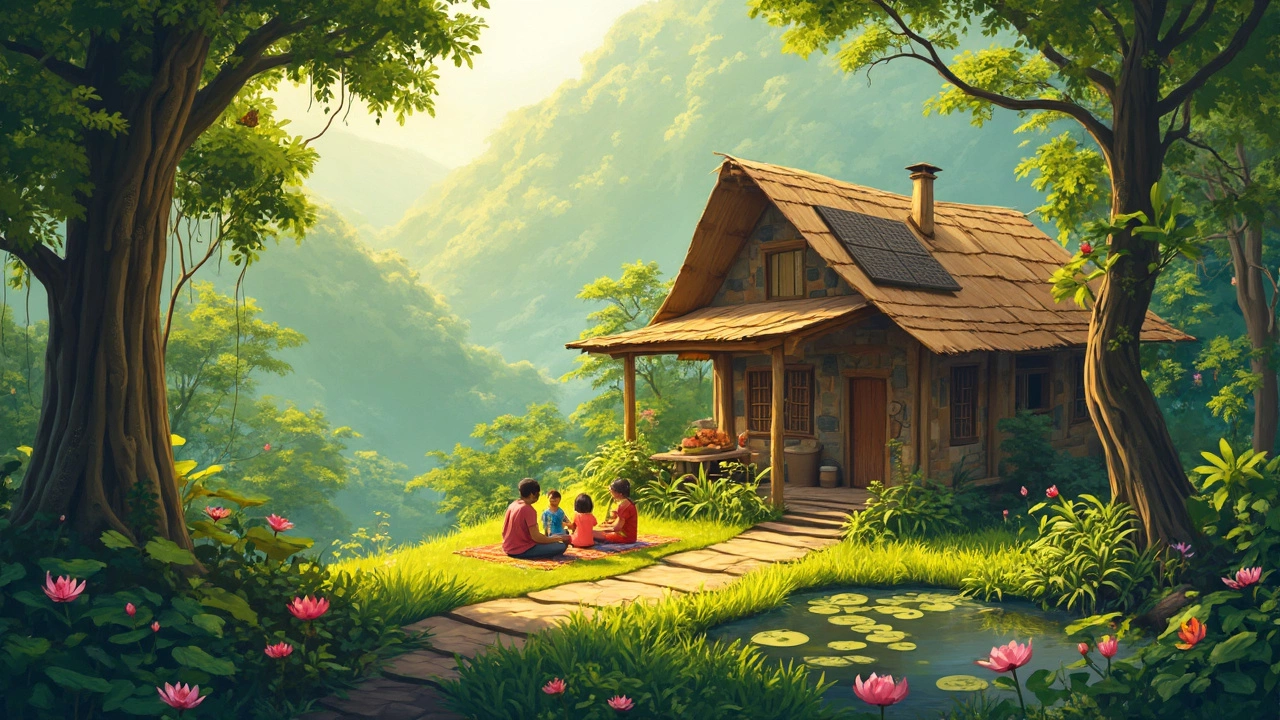
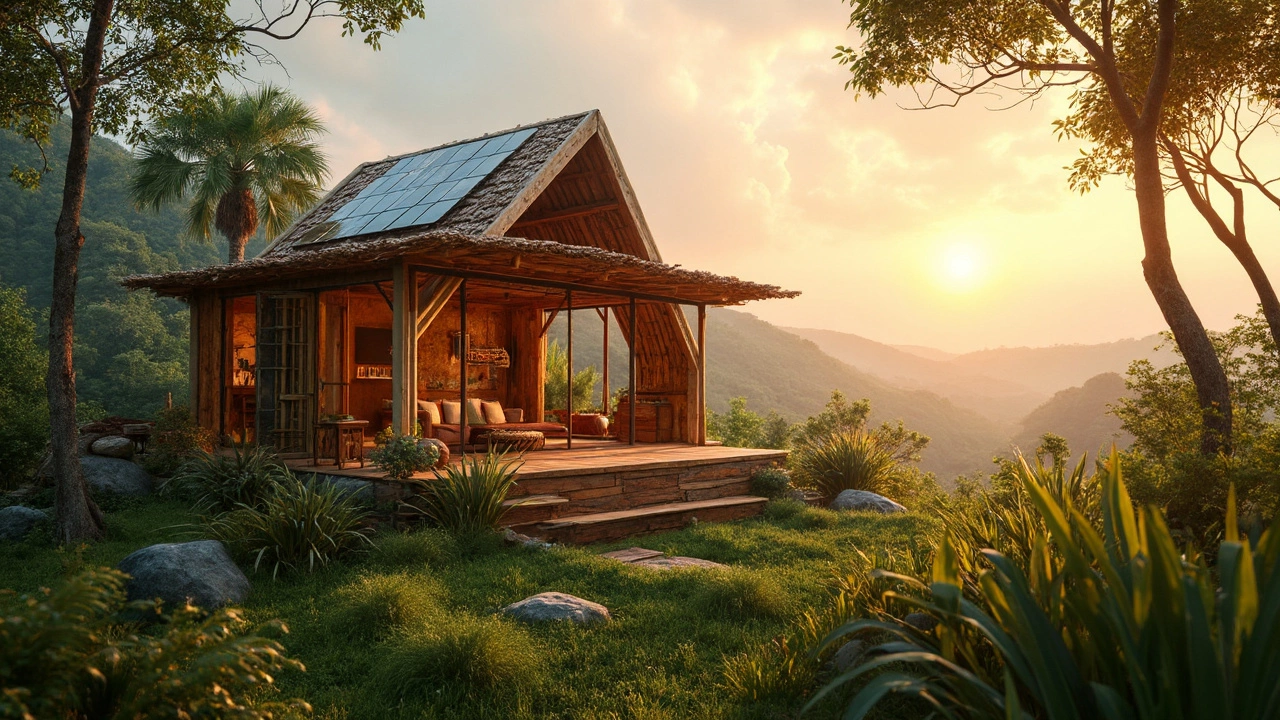
Think of eco-friendly cottages, small, thoughtful homes built with reclaimed wood, natural insulation, and rainwater systems. These aren’t just cute getaways—they’re proof that you don’t need a mansion to live lightly on the earth. Then there’s the net-zero mansion, a home that produces as much energy as it uses, often with solar roofs, geothermal heating, and smart grids. One in British Columbia even grows its own food and filters its own water. It costs a fortune, sure—but it also proves that luxury and sustainability aren’t opposites. And behind both? energy efficient homes, buildings designed to use far less power through better windows, sealing, and appliances. These are the quiet heroes—homes that slash bills, reduce emissions, and last decades longer than standard builds.
What ties all this together? It’s not just technology. It’s intention. People choosing to build smarter because they care about the air their kids breathe, the water they drink, and the land that holds their home. That’s why you’ll find posts here about how much these homes really cost, what makes them last, and why some people are living full-time in them. You’ll see how a $1 billion cottage can be greener than a $200,000 house—and why sometimes, the smallest home is the most sustainable. This isn’t theory. It’s happening right now, in quiet woods and mountain ridges across India and beyond. And if you’ve ever wondered if you could live differently, the answers are here.