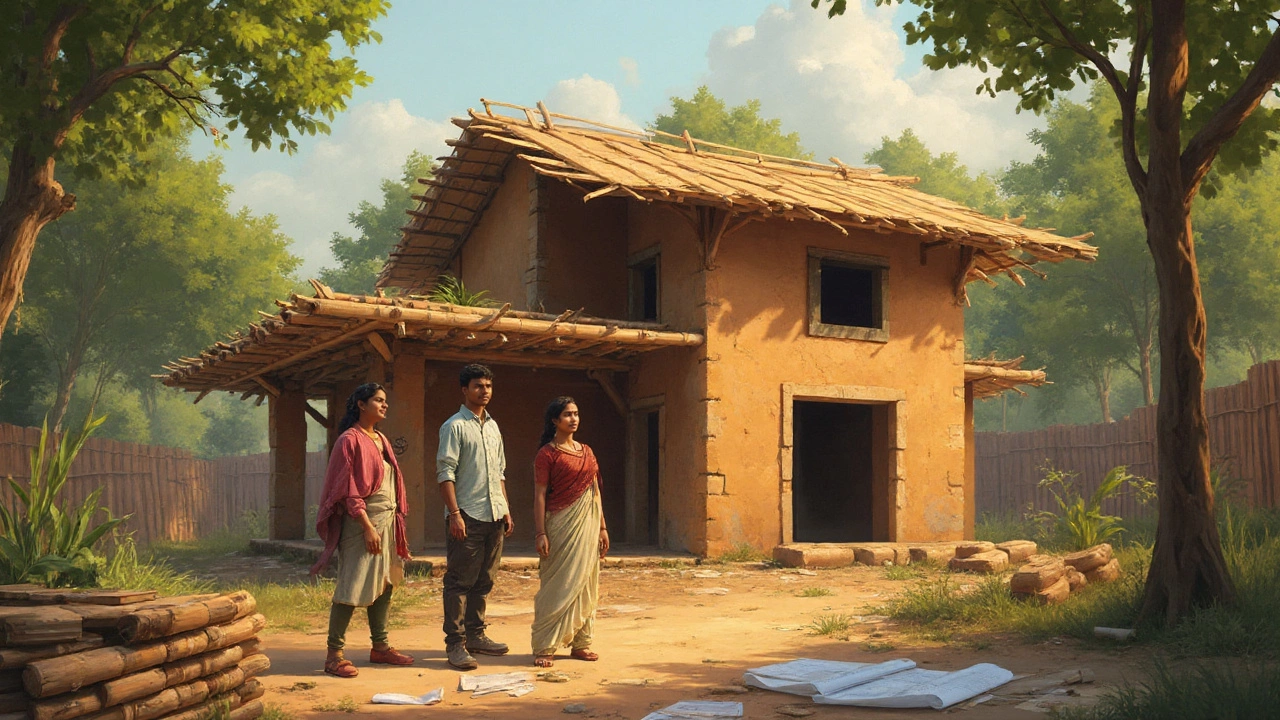
Eco-Friendly Home Building: Real-World Challenges and Limitations
Building an eco-friendly home sounds ideal but real-life limitations can catch you off guard. Learn about budgets, regulations, materials, and tech hurdles firsthand.
Read MoreWhen we talk about sustainability, the practice of meeting today’s needs without harming future generations. Also known as green living, it’s no longer just a buzzword—it’s the foundation of real travel experiences that respect the land, water, and people behind them. At Woodland Hotel, sustainability isn’t a marketing label. It’s why we choose reclaimed wood for our cottages, why our energy comes from solar panels, and why we partner with local farmers instead of shipping in food from halfway across the world.
True eco-friendly cottages, small, energy-efficient homes built with natural, non-toxic materials and designed to blend into their surroundings. Also known as sustainable cottages, they’re not just pretty—they’re built to last, use less, and give back more. Think of them as the opposite of big resorts that drain resources. A well-built eco-cottage can run on solar power, collect rainwater, and compost waste—all while feeling like a quiet escape in the woods. And it’s not just about the building. It’s about what happens inside: guests choosing to reuse towels, skip single-use plastics, and walk instead of drive. These small choices add up.
sustainable luxury home, a high-end property that proves comfort and environmental responsibility can go hand in hand. Also known as net-zero mansion, this isn’t about being cheap—it’s about being smart. The most expensive eco-home in the world doesn’t just use solar panels; it generates extra energy, grows its own food, and recycles every drop of water. That’s the level of innovation we’re starting to see in luxury stays—and it’s trickling down to places like ours. You don’t need a $1 billion cottage to live sustainably. You just need intention. That’s why we focus on what matters: local materials, low-impact operations, and guest education. No greenwashing. No empty promises.
What you’ll find below isn’t a list of random articles. It’s a real-world look at what sustainability means in travel today. From the hidden costs of all-inclusive resorts that waste water and food, to how tiny houses can last decades with the right care, to why tipping housekeeping isn’t just polite—it’s part of supporting fair wages in tourism. You’ll see how a $75 glamping night can be greener than a $500 hotel stay, and why the most expensive eco-home isn’t about size—it’s about resilience. These stories aren’t theoretical. They’re happening right now, in cabins, cottages, and quiet retreats across India and beyond. Let’s take a closer look at what’s working, what’s not, and how you can be part of the change.
Building an eco-friendly home sounds ideal but real-life limitations can catch you off guard. Learn about budgets, regulations, materials, and tech hurdles firsthand.
Read More