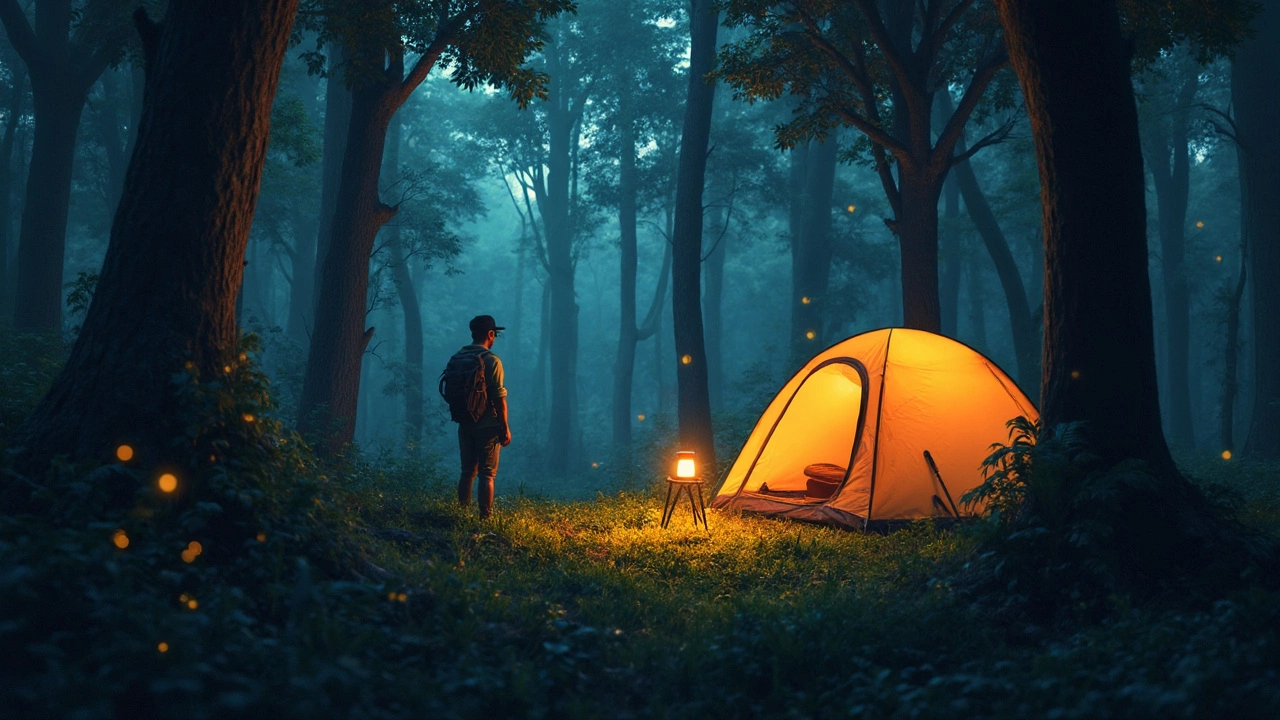
Stealth Camping: Hidden Ways to Sleep Wild Without Getting Caught
When you think of camping, you might picture tents at marked sites, fire pits, and park rangers checking in. But stealth camping, a quiet, unregistered way to sleep outdoors away from official campsites. Also known as wild camping, it’s about slipping into nature without asking permission—no reservations, no fees, no noise. It’s not about breaking rules. It’s about respecting space—yours and the land’s.
Stealth camping often overlaps with dispersed camping, a legal form of backcountry camping on public lands like national forests. But unlike dispersed camping, which sometimes allows fire pits or designated pull-offs, stealth camping means staying invisible. You park your car off the main road, roll out a sleeping bag under trees, and leave no trace before sunrise. It’s the same mindset behind off-grid camping, living without utilities, generators, or modern comforts—but with extra focus on avoiding attention.
Why do people do it? Because the best views aren’t on maps. Because silence after dark is rare. Because you don’t need a campground to feel connected to the forest. Some do it to save money. Others to escape the noise of tourists, families, and loud music. A few just want to test how quietly they can live in the wild. The posts below cover real stories: how to pick safe spots, what gear actually works at night, how to avoid rangers, and why some people swear by stealth camping while others never try it. You’ll find tips from people who’ve slept in the woods near national parks, on mountain shoulders, and beside forgotten logging roads. No fluff. No hype. Just what works when you’re alone, tired, and trying not to be seen.