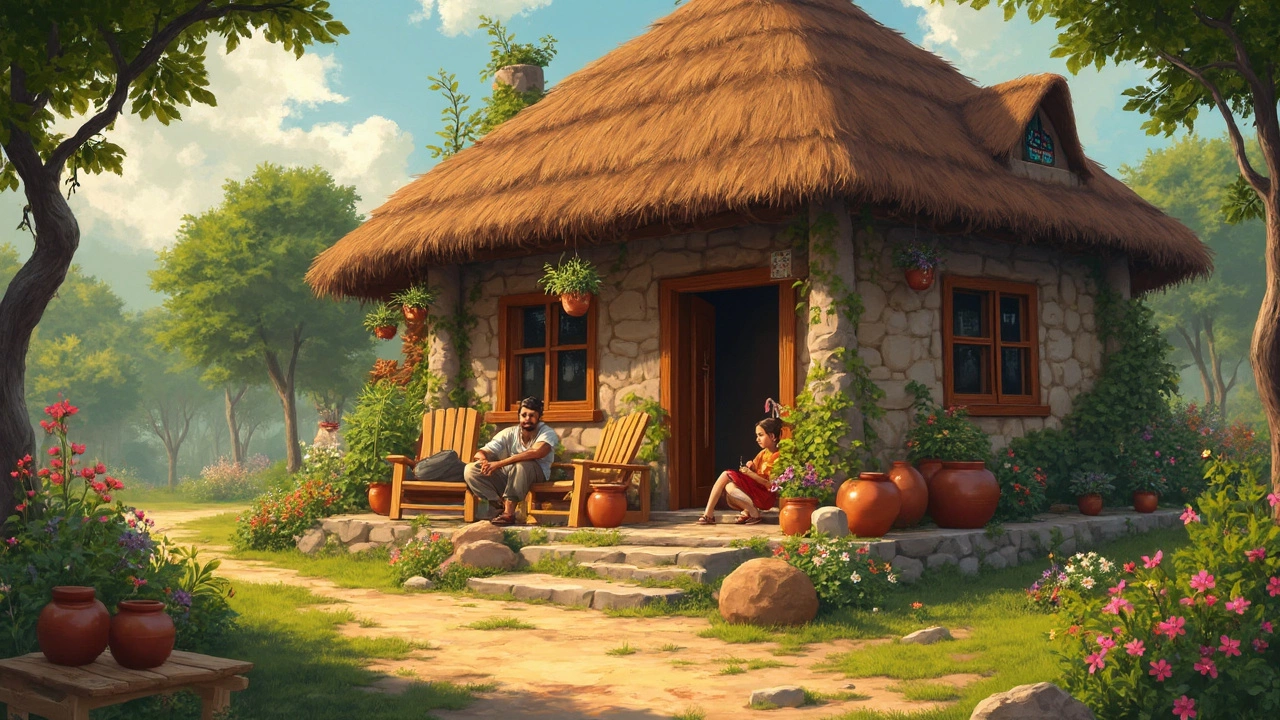
Small House: What It Really Means and Why It Matters
When we talk about a small house, a compact, intentionally designed living space that prioritizes function over square footage. Also known as tiny home, it’s not about living with less—it’s about living with more purpose. Many assume small houses are just for people who can’t afford anything bigger. But the truth? People choose them for peace, freedom, and connection—to nature, to their finances, and to themselves.
A small house, a compact, intentionally designed living space that prioritizes function over square footage. Also known as tiny home, it’s not about living with less—it’s about living with more purpose. is often built with eco-friendly cottages, low-impact homes designed to minimize energy use and environmental harm in mind. These aren’t just tiny cabins with solar panels. They’re engineered to last—some for 50 years or more—with materials chosen for durability, not just cost. And they’re not just in forests or mountains. You’ll find them on beachfronts, in countryside valleys, and even tucked into urban lots where space is tight but peace is priceless.
The rise of the vacation cabin, a seasonal or permanent small dwelling used for retreats, often in natural settings shows this isn’t just a trend—it’s a shift. People aren’t just renting them for weekends anymore. They’re buying them as primary homes, workspaces, or even long-term stays. And when you look at the data, it makes sense. A well-built small house costs far less to heat, clean, and maintain. It doesn’t need a lawn. It doesn’t demand constant upkeep. It fits neatly into the rhythm of quiet mornings, campfires, and unplugged nights.
Some think luxury means high ceilings and marble countertops. But the most expensive eco-friendly homes in the world—like the $1 billion net-zero cottage in British Columbia—prove that true luxury is self-sufficiency. These homes generate their own power, collect their own water, and grow their own food. They’re small, yes. But they’re also powerful. And they’re not outliers. They’re signs of where things are headed.
So if you’ve ever wondered whether a small house is just a compromise, think again. It’s a choice. A smart one. One that gives you back time, money, and space—for what really matters. Below, you’ll find real stories, real costs, and real advice from people who’ve made the switch. Whether you’re dreaming of a weekend escape or a full-time life in the woods, there’s something here for you.