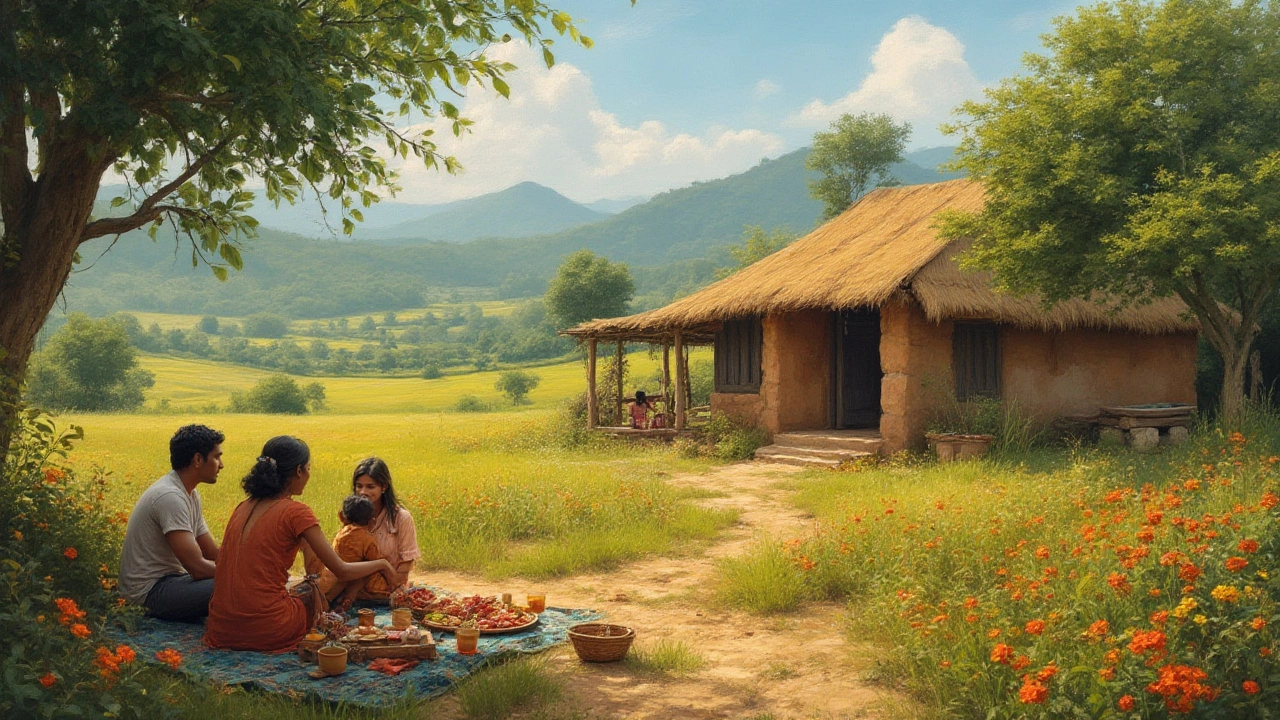
Self-Catering Accommodation: What It Is and Why It Works for Real Travelers
When you choose self-catering accommodation, a type of lodging where you prepare your own meals and manage your own space. Also known as cottage rentals, it gives you the freedom to eat when you want, sleep in, and live like you’re at home—just surrounded by nature. This isn’t just about saving money. It’s about control. No forced breakfasts. No crowded buffets. No 10 p.m. noise curfews. Just you, your people, and a quiet place to breathe.
Think of it as the middle ground between a hotel room and a full-time home. You get kitchens, living areas, and sometimes private decks or fire pits. Places like vacation cabins, small, cozy homes often tucked into forests or near lakes, designed for short stays are the most common form. Some come with wood stoves and rainwater systems—eco-friendly cottages, buildings designed to use less energy, water, and waste, often made with natural or recycled materials. Others are more about luxury: heated floors, outdoor showers, and views that don’t end. Even glamping cottages, camping-style stays with real beds, electricity, and upscale finishes fall under this umbrella. They all share one thing: you’re in charge of your experience.
Why does this matter? Because most hotels are designed for people who want to be taken care of. Self-catering is for people who want to take care of themselves. You pick the groceries. You cook dinner under the stars. You decide if you want to wake up early for sunrise or sleep until noon. It’s not just cheaper—it’s deeper. You remember the smell of coffee brewing in a cabin kitchen more than you remember the hotel minibar. You remember the quiet. The crickets. The way the light hits the trees at 6 p.m.
And it’s not just for families. Couples use it to reconnect. Solo travelers use it to reset. Even digital nomads are swapping hotel rooms for cabins with Wi-Fi and full kitchens. The trend isn’t about being frugal. It’s about being intentional. You’re not buying a night. You’re buying a rhythm.
Below, you’ll find real stories from people who’ve lived this way. Some talk about how a $150-a-night cabin saved their vacation. Others show you how to make a tiny home last decades. There are tips on what to pack, what to avoid, and when a glamping cottage beats a hotel suite. You’ll see the hidden costs of all-inclusive resorts—and why self-catering often wins by default. This isn’t theory. It’s what people are doing right now, across India and beyond.