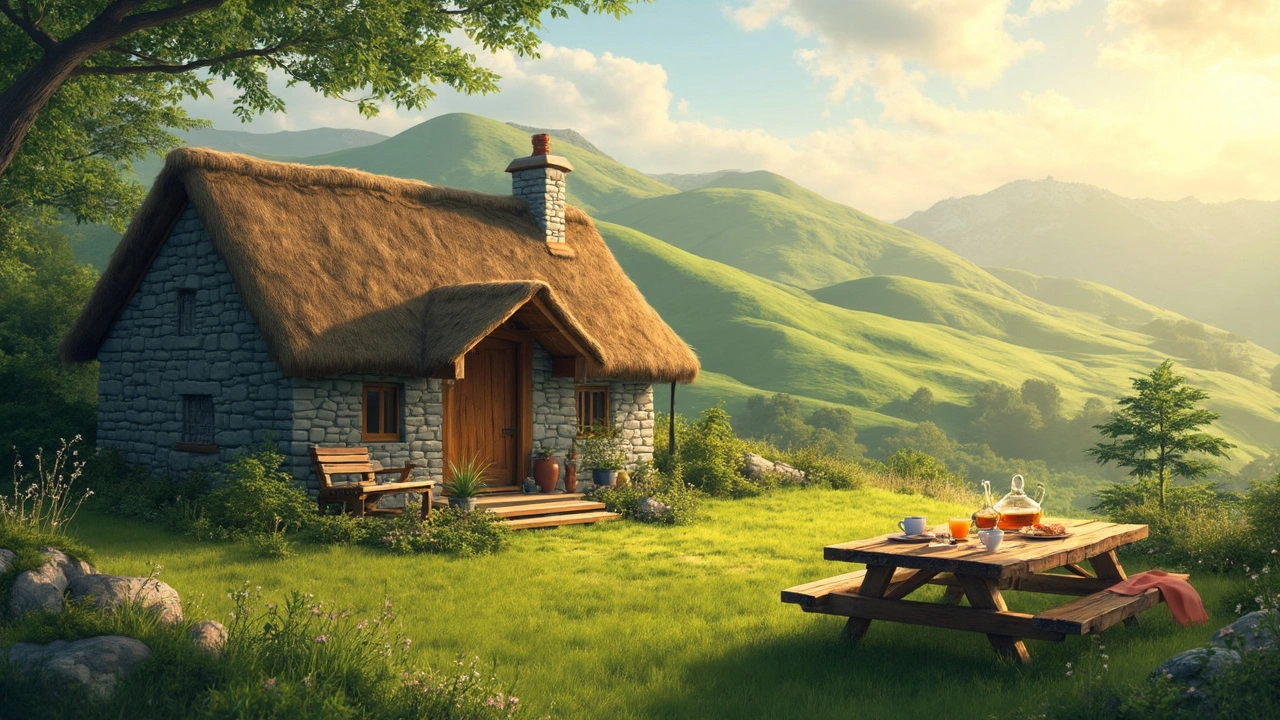
Outdoor Living: What It Really Means for Your Getaway
When we talk about outdoor, a way of staying connected to nature through intentional, immersive experiences. Also known as open-air living, it’s not just about having a view—it’s about feeling the wind, hearing the forest, and sleeping with the sky overhead. At Woodland Hotel, outdoor isn’t a feature. It’s the whole point. You won’t find glass walls pretending to be nature. You’ll find real cabins tucked into pine forests, glamping tents with wooden floors, and cottages where the door opens straight to dew-covered grass.
This kind of stay isn’t for everyone. If you need a TV in every room or room service at midnight, you’ll feel out of place. But if you want to wake up to birds instead of alarms, to sip coffee while mist rises off a nearby stream, or to sit by a fire with no Wi-Fi but plenty of stars—you’ve found the right kind of escape. Outdoor living means trading noise for quiet, screens for skies, and convenience for connection. It’s why people return year after year—not because it’s cheap, but because it’s rare.
What makes it work? It’s not just the location. It’s the design. eco-friendly cottages, homes built to blend into the land, not dominate it. Also known as sustainable retreats, they use solar power, rainwater collection, and natural insulation so you’re not just enjoying nature—you’re respecting it. Then there’s glamping, the sweet spot between camping comfort and hotel luxury. Also known as luxury camping, it gives you real beds, proper bathrooms, and warm showers without giving up the smell of pine or the sound of crickets at night. And when you choose a vacation cabin, a private, standalone retreat designed for peace, not crowds. Also known as forest hideaways, they’re where couples go to reconnect, families go to breathe, and solo travelers go to reset. These aren’t just places to sleep. They’re places where time slows down.
You’ll find posts here that break down the real cost of glamping, why some eco-cottages cost more but save you money over time, and how to tell if a cabin is worth the drive. No fluff. No hype. Just what works—and what doesn’t—when you step outside your usual routine and into something wilder, quieter, and more real.