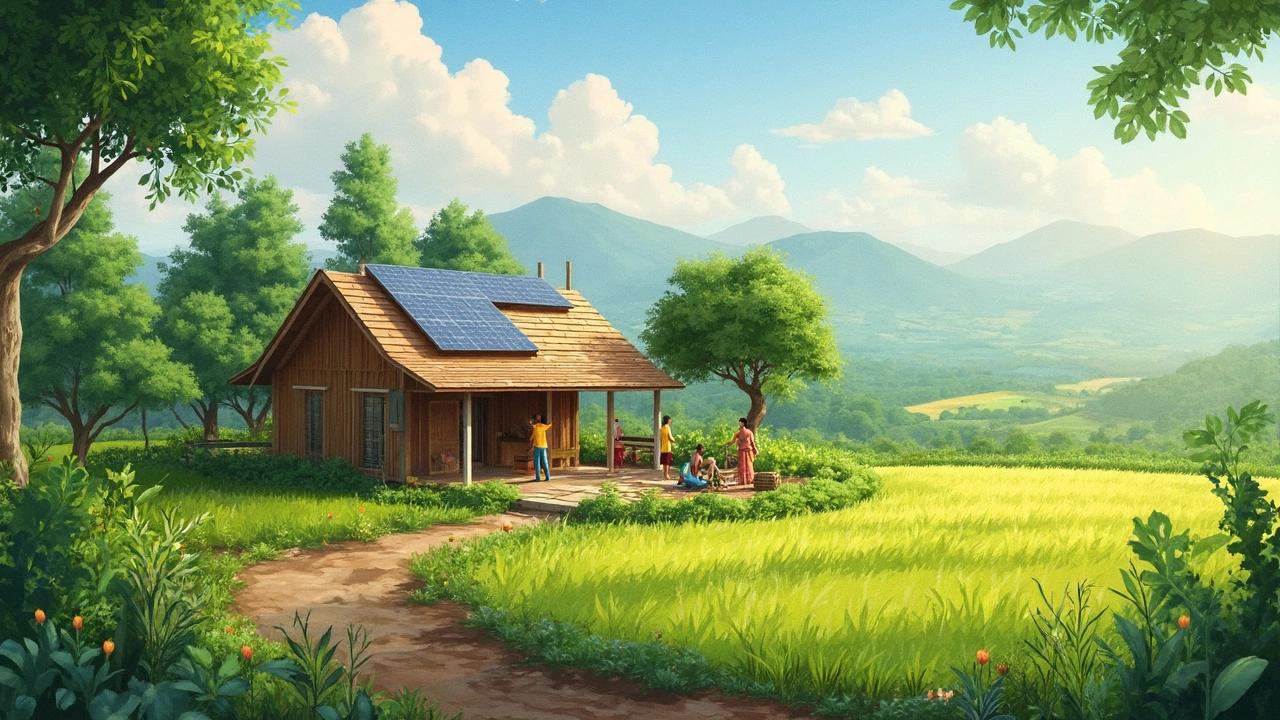
Nature Getaways: Cozy Cottages and Eco-Friendly Stays in India
When you think of nature, the natural world as a place for rest, renewal, and real connection. Also known as the outdoors, it’s not just scenery—it’s the reason people leave cities behind to sleep under stars, wake up to birdsong, and breathe air that doesn’t smell like traffic. At Woodland Hotel, nature isn’t a backdrop. It’s the whole point. Whether you’re staying in a wooden cottage tucked into pine trees or a glamping tent with a view of misty hills, every detail is built to pull you deeper into the wild, not distract from it.
You don’t need to hike for miles to feel nature. Sometimes, it’s just the sound of wind through leaves outside your window, or the way morning light hits the dew on grass right outside your door. That’s what makes eco-friendly cottages, small, low-impact homes built with natural materials and renewable energy. Also known as sustainable retreats, they’re designed to vanish into the landscape, not dominate it. These aren’t just fancy cabins with solar panels. They’re places where the walls breathe, rainwater is reused, and the only electricity comes from the sun. And if you’ve ever wondered why some stays cost more, it’s because they’re not just selling a bed—they’re selling silence, clean air, and a break from the noise of modern life.
Then there’s glamping, luxury camping that keeps the comfort of a hotel but the soul of the wilderness. Also known as luxury camping, it’s where you sleep in a tent with real beds, heated floors, and private hot tubs—yet still hear owls at night. It’s not about roughing it. It’s about choosing the best of both worlds. And in India, places like Woodland Retreat make this easy. No need to pack a tent. No need to figure out how to start a fire. Just show up, unwind, and let the forest do the rest.
What you’ll find in these posts isn’t a list of fancy resorts. It’s the truth behind what makes a stay feel like nature—not just look like it. You’ll read about how much glamping really costs, why some "eco-friendly" homes are more marketing than meaning, and what separates a quiet cabin from a noisy hotel with a view. You’ll learn what to look for when you want to escape without feeling guilty, and how to pick a place that doesn’t just say it’s green—but actually lives it.