Natural Materials in Eco-Friendly Cottages: What Works, What Costs, and Why It Matters
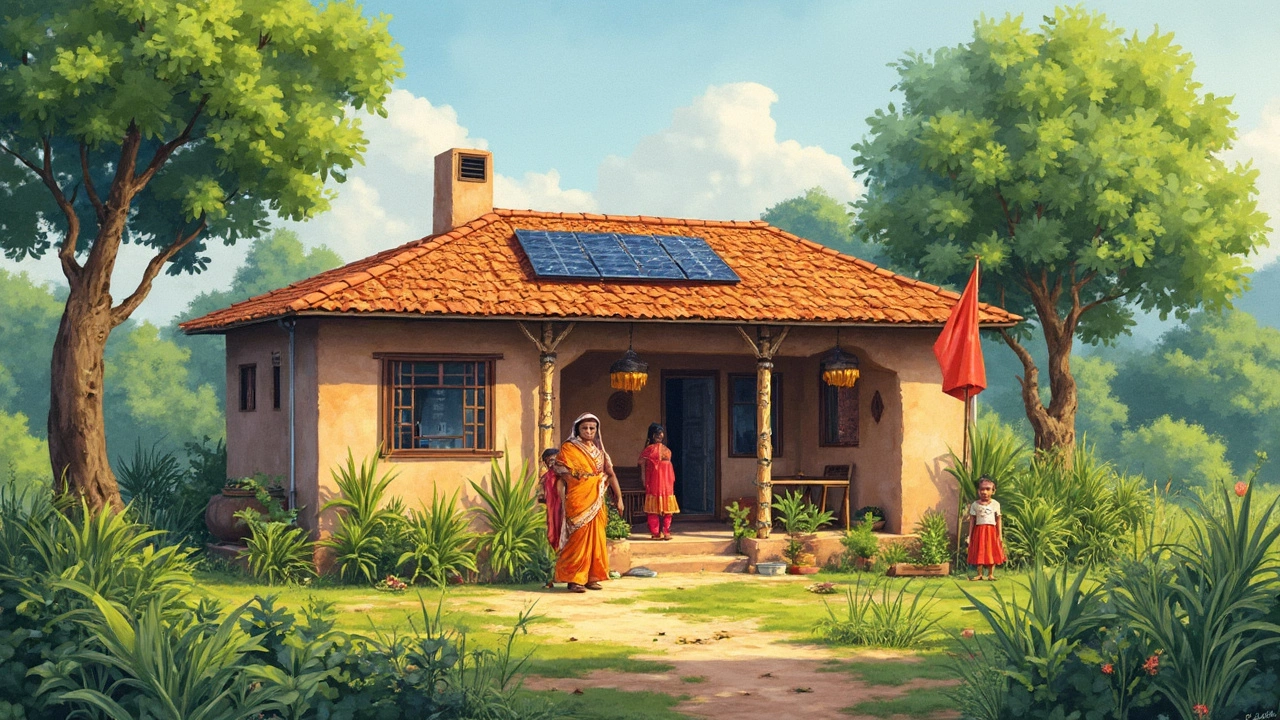
When you think of an eco-friendly cottage, you probably picture wood walls, stone floors, and windows that let in the sun—natural materials, building elements sourced directly from the earth without synthetic processing. Also known as unprocessed building substances, these aren’t just about looks—they’re the backbone of homes that last, breathe, and blend into the land around them. Unlike concrete or plastic composites, natural materials like reclaimed timber, rammed earth, bamboo, and lime plaster don’t rely on high-energy manufacturing. They’re low-carbon from the start, and in places like the Himalayan foothills or the Western Ghats, they’re often local, cutting transport emissions before you even lay a single brick.
Why does this matter for your next getaway? Because eco-friendly cottages, homes designed to minimize environmental impact through materials, energy use, and waste reduction aren’t just about solar panels and rainwater tanks. The real magic happens in the walls. A cottage built with locally sourced wood doesn’t just look warm—it regulates temperature naturally, stays dry without AC, and ages gracefully. Compare that to a prefab cabin made with engineered lumber and synthetic insulation: it might be cheaper upfront, but it’ll need replacing sooner and leave a heavier footprint. And when you look at the sustainable building, construction methods that prioritize renewable resources, low emissions, and long-term durability trends in India, you’ll see a shift: travelers don’t just want green labels—they want to feel the difference under their hands.
Some of the most expensive eco-friendly homes in the world, like that $1 billion net-zero cottage in British Columbia, prove that natural materials aren’t cheap—but they’re worth it. That home uses timber harvested sustainably, stone quarried nearby, and clay-based plasters that don’t off-gas. It’s not luxury for show—it’s resilience built into every layer. In India, you don’t need a billion-dollar budget to get the same benefits. A simple wooden cottage in Coorg, built with hand-hewn teak and lime mortar, can last 50 years with zero maintenance beyond resealing. Meanwhile, synthetic materials degrade faster, trap moisture, and cost more to replace. The real savings? You’re not just cutting energy bills—you’re avoiding future repair nightmares.
And here’s the quiet truth: natural materials aren’t just better for the planet—they’re better for you. Studies show that homes built with wood and clay reduce stress, improve sleep, and even lower blood pressure. No wonder guests at woodland retreats keep coming back. They don’t just want a place to sleep. They want to feel grounded.
Below, you’ll find real stories from people who’ve lived in, built, or stayed in cottages that use these materials. Some are about cost. Others are about durability. A few are about the quiet joy of waking up to the smell of woodsmoke and stone. No fluff. No marketing spin. Just what works—and what doesn’t—when you build with what the earth already gives you.