Minimalism: Simple Living, Less Clutter, More Peace
When you think of minimalism, a lifestyle focused on reducing excess to make space for what truly matters. Also known as simple living, it's not about deprivation—it's about intention. People who live minimally don’t just own fewer things; they choose experiences over possessions, quiet over noise, and connection over distraction. This mindset doesn’t ask you to live in an empty room. It asks you to ask: Does this add value? Does this bring me peace? Does this align with the life I actually want?
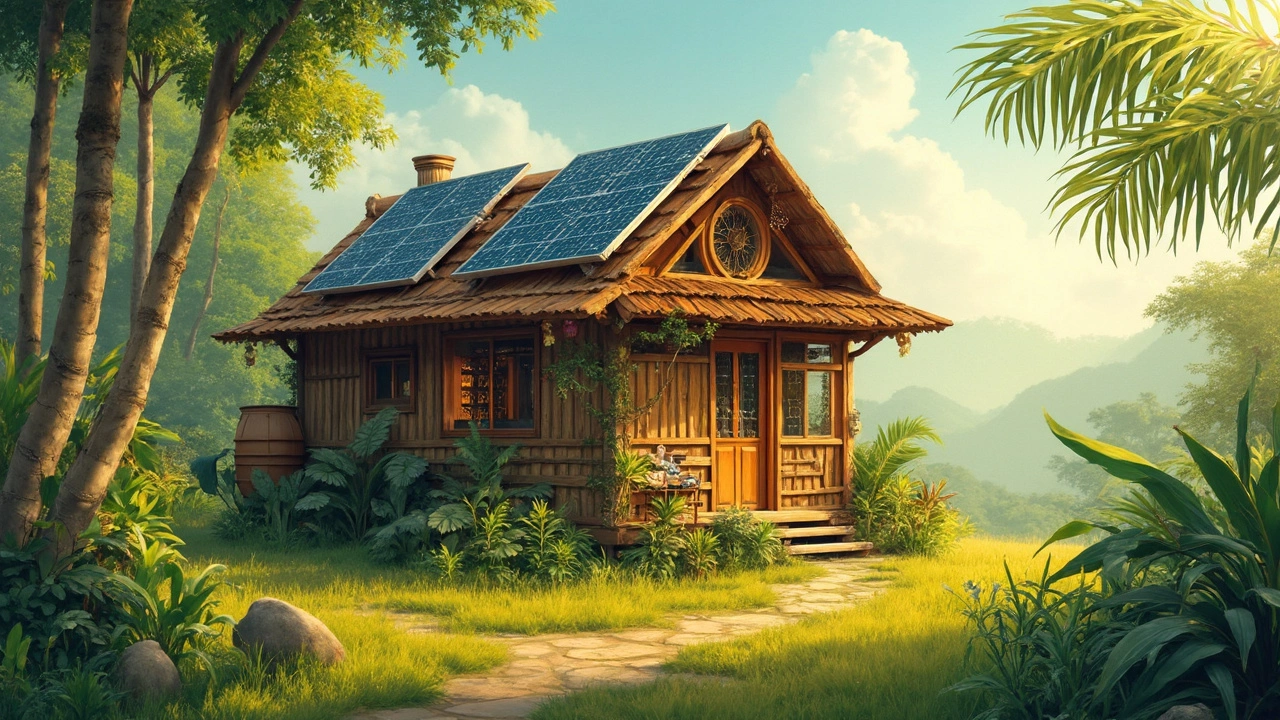
Minimalism shows up in surprising places. Look at the rise of eco-friendly cottages, small, thoughtfully built homes designed to blend with nature and use fewer resources. These aren’t just stylish—they’re practical. A tiny house can last 30 to 50 years with the right care, not because it’s small, but because every material, every wire, every window was chosen with purpose. That’s minimalism in action. It’s also why people are choosing off-grid homes, self-sufficient living spaces that run on solar power, rainwater, and composting systems. They’re not running from modern life—they’re redefining it. And when you stop chasing more stuff, you start noticing more of what’s already here: the sound of wind in trees, the quiet of a morning without alarms, the calm of a space that doesn’t shout at you.
Minimalism isn’t a trend. It’s a response. A response to cluttered schedules, overloaded inboxes, and homes that feel like storage units. It’s why people are asking: Do I really need another hotel room with five TVs and a minibar full of snacks I won’t eat? Or would I rather be in a cozy cottage with one good chair, a view of the woods, and the kind of silence that lets you hear your own thoughts again? The posts below explore exactly that—how living with less connects to sustainable homes, smarter travel, and real peace. You’ll find out why tiny houses last longer than you think, how tipping at resorts ties into deeper values, and why the most expensive eco-home in the world isn’t about luxury—it’s about freedom. This isn’t about being perfect. It’s about being present.