Luxury Sustainable Home
When people talk about a luxury sustainable home, a high-end residence designed to minimize environmental impact while maximizing comfort and craftsmanship. Also known as a green luxury home, it’s not just about solar panels and recycled wood—it’s about building something that lasts, performs, and respects the land it sits on. This isn’t a trend for eco-enthusiasts alone. It’s a shift happening in the top tier of real estate, where $37 million net zero mansions sit beside cozy, off-grid cottages that still feel like a five-star retreat.
The real difference? A sustainable luxury home, a home that uses renewable energy, non-toxic materials, and smart design to reduce waste and emissions over its lifetime. Also known as a eco-friendly cottage, it’s not just about being green—it’s about being smart. Think thermal mass walls that keep rooms cool without AC, rainwater systems that feed gardens, and locally sourced stone that doesn’t need to be shipped across continents. These homes often outperform traditional luxury properties in resale value, thanks to lower utility bills and growing buyer demand. And it’s not just the materials. The net zero mansion, a home that produces as much energy as it consumes annually, often through solar, geothermal, or wind systems. Also known as a energy positive home, it’s becoming less of a novelty and more of a standard for high-end builds in places like India’s hillside retreats, where Woodland Hotel’s cottages blend into forests without disturbing them. These homes don’t scream sustainability—they whisper it. Quiet HVAC systems. Natural ventilation. No plastic packaging in the build. No synthetic carpets. Even the cleaning products used on the floors are plant-based.
What you won’t find in these spaces? Empty luxury. No gilded faucets that break in a year. No imported marble that cracks in humid weather. Instead, you’ll find locally grown timber that ages gracefully, windows placed to catch morning light without overheating, and insulation made from recycled denim. These aren’t gimmicks. They’re choices made by owners who want comfort that lasts, not just looks that impress.
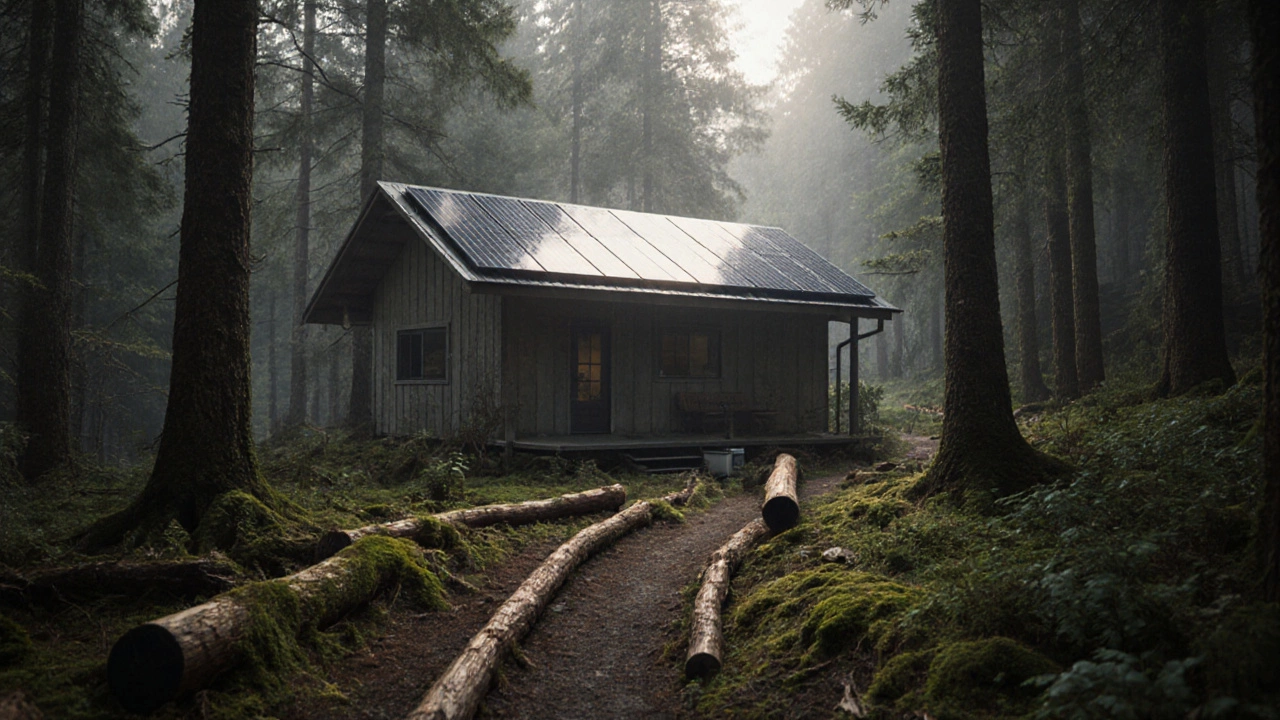
And here’s the truth: a luxury sustainable home doesn’t have to be huge. Some of the most thoughtful ones are small—think a quiet cabin tucked into the woods, with a composting toilet, solar-heated water, and a deck that looks out over pine trees. That’s the real win. It’s not about square footage. It’s about alignment—with nature, with cost, with how you actually live.
Below, you’ll find real stories from people who’ve built, bought, or stayed in these spaces. From the hidden costs of green materials to why some $800-a-night glamping cottages are more sustainable than your city apartment. You’ll see what actually works, what’s overhyped, and how a luxury sustainable home can be both an investment and a quiet rebellion against wasteful living.