Leftover Food Management: Reduce Waste, Save Money, and Help the Planet
When you think about leftover food management, the practical systems and habits used to store, reuse, or repurpose uneaten food. Also known as food waste reduction, it's not just about saving scraps—it's about cutting costs, shrinking your environmental footprint, and making every meal count. Most people toss food because they don’t know what to do with it, not because they’re careless. But in places like Woodland Hotel’s cozy cottages, where meals are often prepared fresh and meals are shared in quiet, natural settings, managing leftovers becomes part of the rhythm of a thoughtful stay.
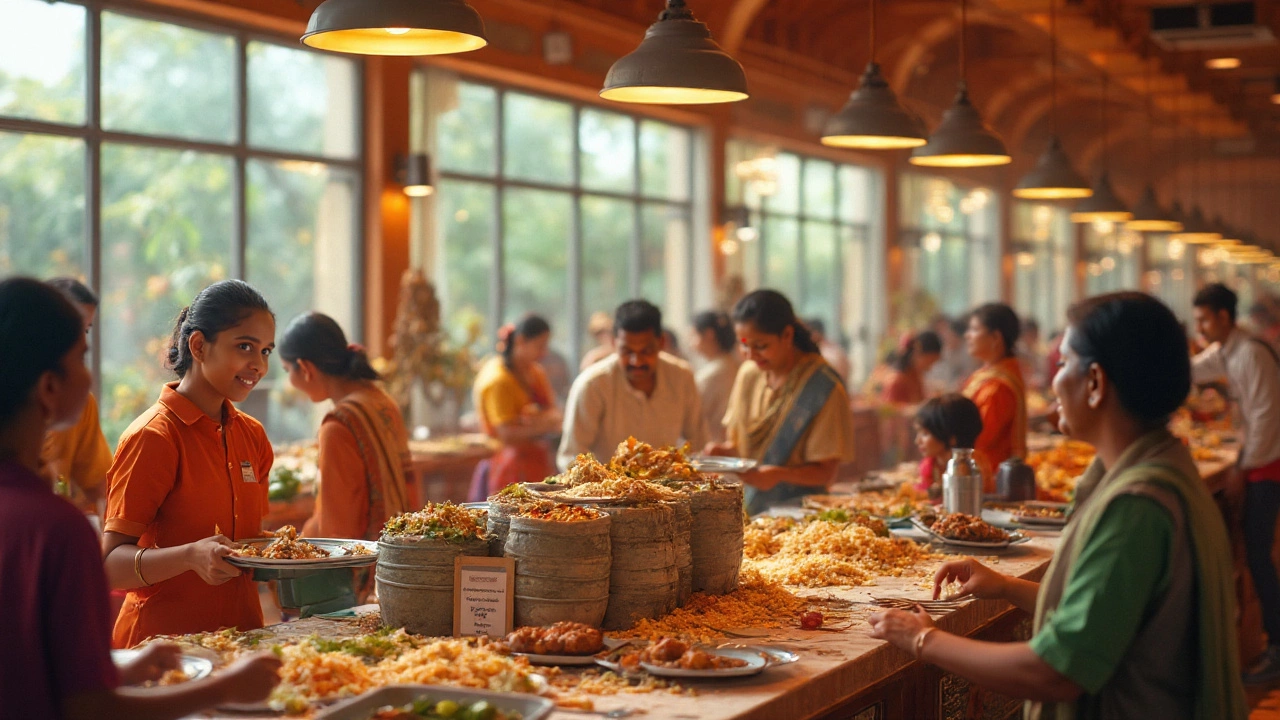
It’s not just about your kitchen at home. Think about all-inclusive resorts, vacation cabins, or glamping sites. They serve big portions, offer buffet-style meals, and often end up with piles of untouched food. That’s not just wasteful—it’s expensive. Resorts lose money. The planet loses resources. And you miss out on a chance to live more intentionally. sustainable living, a lifestyle focused on reducing environmental impact through daily choices. Also known as eco-conscious habits, it starts with what you do with your plate. Leftover food management isn’t a chore—it’s a simple upgrade. Freeze it. Turn it into soup. Use it in next day’s breakfast. Compost it if you can. Even in a cottage with no fancy appliances, you can do this.
And it’s not just about the food. It’s about the mindset. When you manage leftovers well, you start noticing how much you actually need. You shop smarter. You cook less. You waste less. That’s the kind of quiet change that adds up. In eco-friendly cottages, where energy and water are already valued, adding smart food habits makes the whole experience feel more real, more connected. You’re not just on vacation—you’re practicing something that matters.
What you’ll find below are real stories from people who’ve tackled this problem—whether they’re running a boutique hotel, renting out a cabin, or just trying to eat better on a weekend getaway. You’ll see how one guest turned last night’s rice into a breakfast hash. How a resort cut its food waste by 40% with simple labeling. How a family learned to pack leftovers like souvenirs. These aren’t fancy tricks. They’re everyday fixes that work whether you’re in the mountains, by the beach, or just in your own backyard.