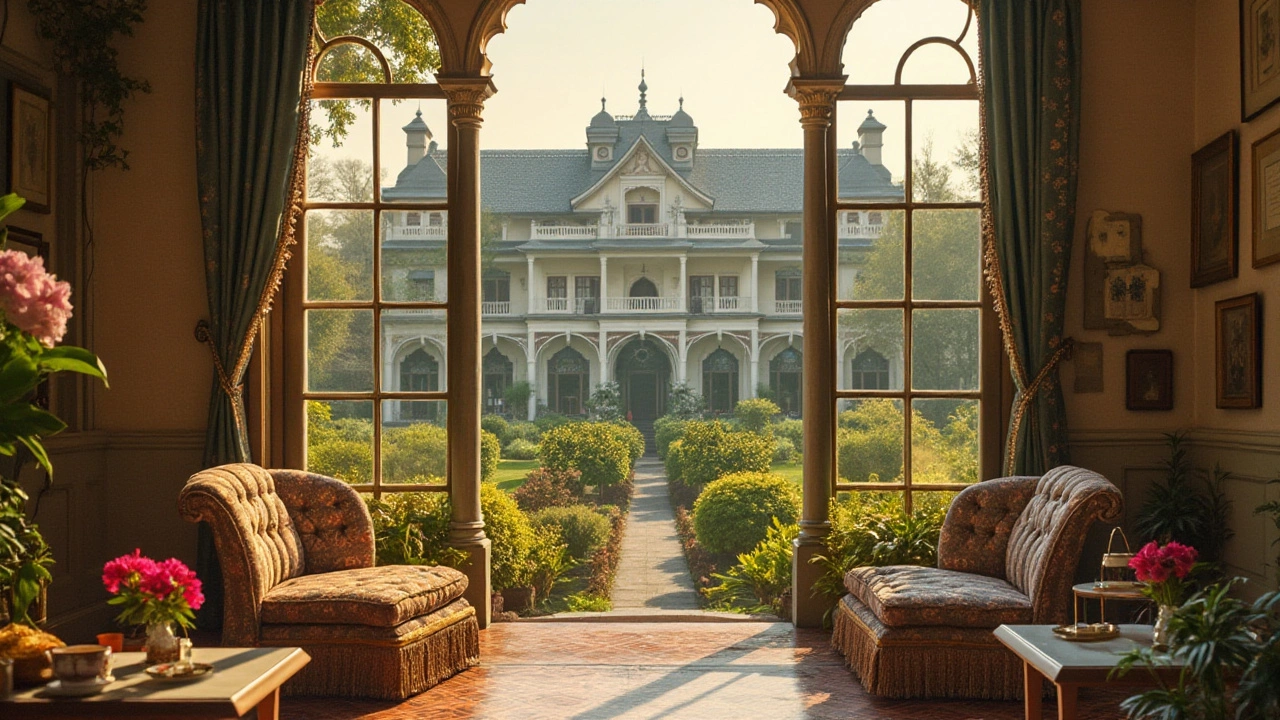
Interior Design: What Makes a Space Feel Like Home
When you walk into a room and instantly feel calm, or warm, or energized—that’s not luck. That’s interior design, the intentional arrangement of space, light, texture, and function to support how people live and feel. Also known as space planning, it’s the quiet force behind every place you’ve ever wished you could stay longer.
Good interior design doesn’t scream for attention. It whispers. It lets the wood grain of a cabin wall tell its story. It lets sunlight hit a corner just right in the morning. It makes a tiny house feel spacious, or a luxury hotel room feel like a personal sanctuary. The best designs don’t follow trends—they follow human needs. Think about how you actually use a space: Do you need quiet corners? Easy-to-clean surfaces? A spot to sip coffee while watching the trees? That’s what matters more than color palettes or designer labels.
Look at the cottages and cabins people love. They’re not fancy. But they have warmth. That’s because their sustainable home decor uses natural materials—wood, stone, linen—that age gracefully. It’s the same in luxury hotels that feel like retreats, not showrooms. They don’t overload you with stuff. They leave room for silence. For stillness. For breathing. And that’s why you’ll find posts here about cozy cottages that feel like hugs, and luxury hotel interiors that make you forget you’re even in a hotel. You’ll see how lighting, layout, and even the way a door opens can change your whole experience.
This collection isn’t about buying expensive furniture. It’s about understanding what makes a place stick with you. Whether it’s the way a cabin’s windows frame the forest, or how an all-inclusive resort’s lounge feels like a quiet escape—even when it’s packed—you’ll find real examples here. No fluff. No buzzwords. Just what works, why it works, and how you can spot it in any space you walk into.