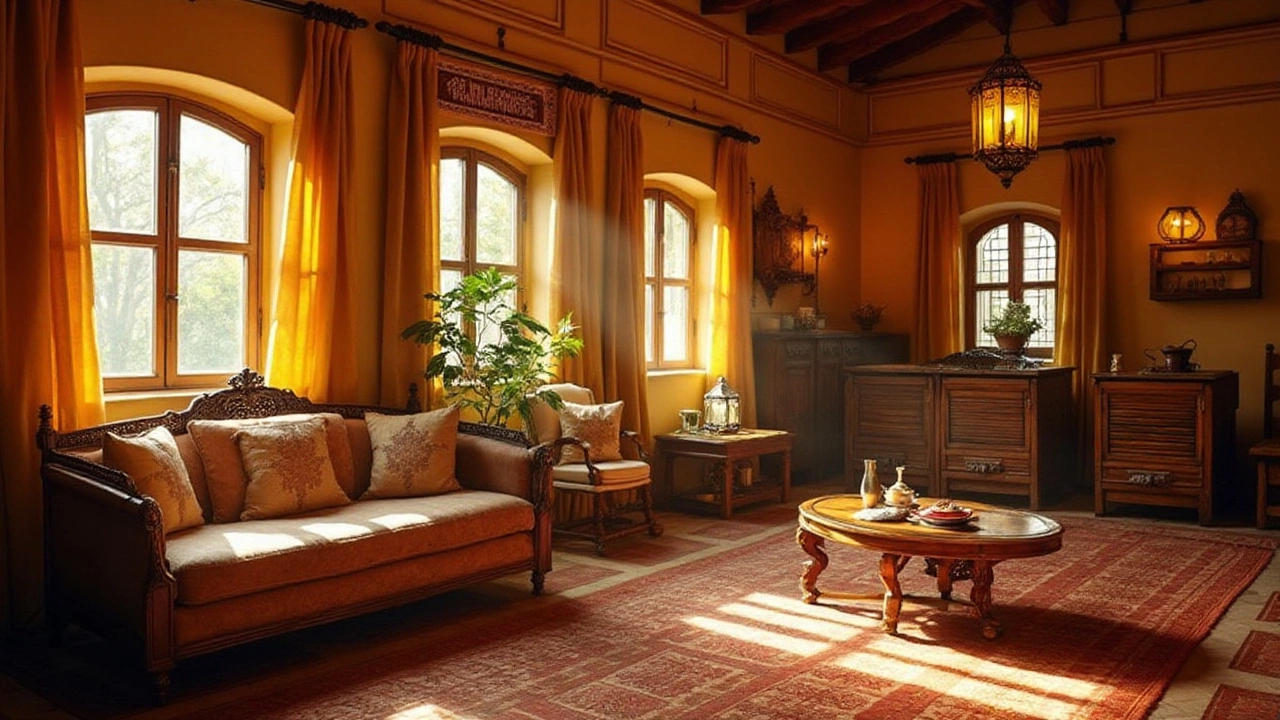
Home Furnishings: What Really Matters in Cozy, Sustainable Spaces
When we talk about home furnishings, the physical items that make a living space functional and comfortable. Also known as interior furnishings, it's not just about sofas and lamps—it’s about how those pieces help you feel at home, whether you're in a city apartment or a forest cabin. The best home furnishings don’t shout. They whisper. They hold your coffee without tipping, let you sink in after a long day, and last through seasons of use without falling apart. In places like Woodland Retreat, where cottages blend into nature, furnishings aren’t an afterthought—they’re part of the experience.
Think about eco-friendly cottages, small, sustainable homes built with low-impact materials and designed for minimal waste. Their furnishings follow the same rules: reclaimed wood tables, organic cotton linens, non-toxic paints. These aren’t trends—they’re practical choices. A $37 million green mansion might have solar panels and rainwater systems, but if the couch falls apart after two winters, it’s not truly sustainable. Real durability comes from quality materials and smart design, whether you’re living full-time in a tiny house or renting a cabin for a weekend. And when it comes to vacation cabins, private, often remote stays meant for relaxation and escape, furnishings need to handle guests, weather, and time. That means sturdy chairs, easy-to-clean surfaces, and bedding that feels like a hug after a long hike.
Even luxury camping, glamping—where comfort meets the outdoors—relies on thoughtful furnishings. A $800-a-night glamping tent doesn’t win because of its tent fabric. It wins because of the memory foam mattress, the heated towel rack, the hand-thrown ceramic mugs. These aren’t luxuries. They’re essentials that turn a night under the stars into a real getaway. The same logic applies to all-inclusive resorts and boutique hotels: what you sit on, sleep on, and touch every day shapes your whole experience. And if you’re trying to make your Airbnb more sustainable, it starts with swapping out synthetic rugs for natural fiber ones, or choosing furniture made locally instead of shipped across the world.
Home furnishings aren’t about matching sets or following Instagram trends. They’re about creating spaces that last, feel good, and fit your life—whether you’re living off-grid, escaping for a week, or just trying to make your corner of the world a little calmer. Below, you’ll find real stories from people who’ve lived it: what works, what breaks, and what actually makes a difference when you’re not just decorating—but building a place to truly belong.