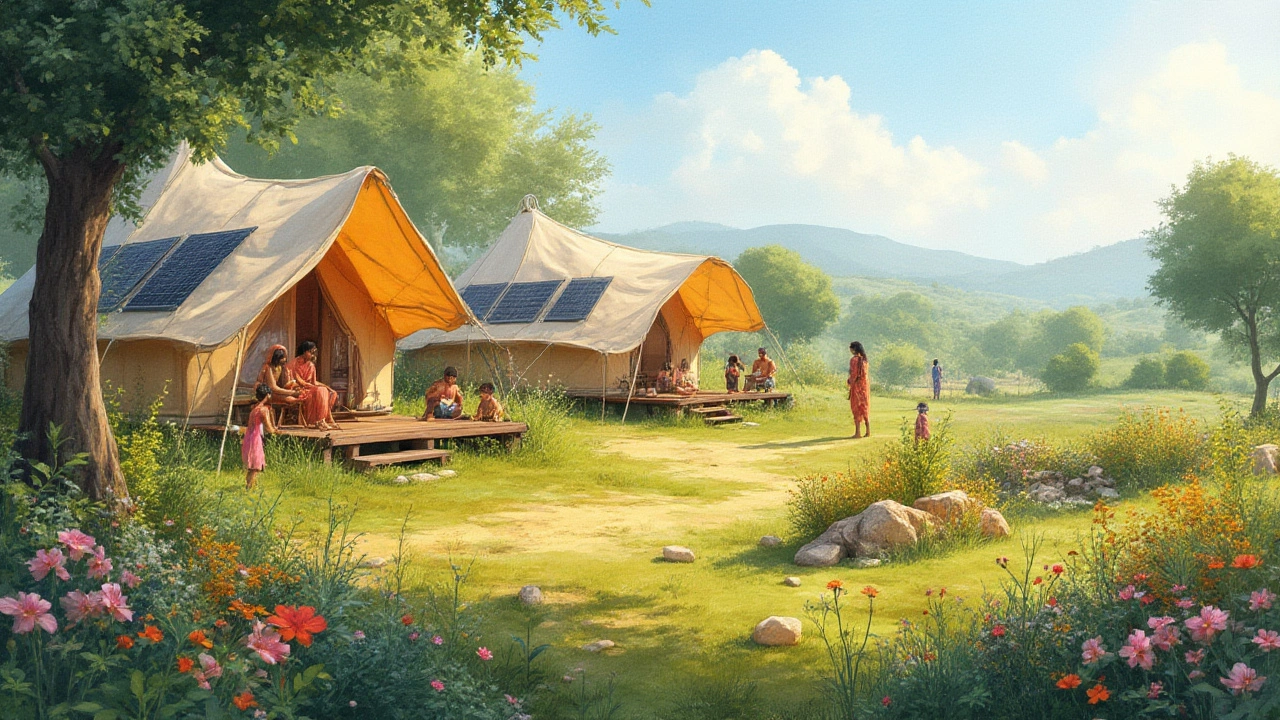
Is Glamping Eco Friendly? Honest Insights for Sustainable Travel
Ever wondered if glamping really lives up to its 'green' hype? Get the real scoop on glamping's eco footprint, practical tips, and how to choose planet-friendly stays.
Read MoreWhen you hear green tourism, travel that minimizes environmental impact while supporting local communities and ecosystems. Also known as sustainable travel, it’s not about guilt or sacrifice—it’s about making smarter choices that let you enjoy nature without wearing it out. Think less plastic-wrapped resort buffets and more solar-powered cottages with rainwater systems, local food on the table, and staff who live nearby. This isn’t some niche trend for hardcore environmentalists. It’s becoming the new standard for travelers who want their vacations to mean something.
Real eco-friendly cottages, small, energy-efficient homes built with natural or recycled materials and designed to blend into their surroundings. Also known as sustainable retreats, these aren’t just cute cabins with a compost bin—they’re engineered to use 70% less energy than standard hotels, often generating their own power and filtering their own water. You’ll find them tucked into forests, mountains, and coastal edges across India, where Woodland Hotel’s stays are built to last decades, not just seasons. And it’s not just about the building. It’s about what happens inside: no single-use toiletries, local artisans supplying linens, and guides who are part of the community, not just hired hands.
Then there’s the bigger picture: net-zero homes, structures that produce as much energy as they consume, often through solar panels, geothermal systems, and smart design. One $1 billion eco-cottage in Canada doesn’t just sit on the land—it feeds itself, powers itself, and even cleans its own wastewater. That’s the kind of innovation trickling down into places like ours. You don’t need a billion-dollar home to be part of this. You just need to choose a stay that’s built with care, not just convenience.
Green tourism isn’t about perfection. It’s about progress. It’s picking a cabin over a high-rise hotel, asking if the staff are paid fairly, noticing if the water is recycled, and realizing your $75-a-night glamping spot might be doing more good than a $500 resort that just slaps a "green" sticker on the brochure. The posts below show you exactly what to look for—whether it’s the hidden costs of "all-inclusive" that hurt local economies, how to spot real sustainability in a cottage, or why tipping housekeeping matters more than you think. This isn’t a list of rules. It’s a guide to traveling like you actually care—and still having an amazing time.
Ever wondered if glamping really lives up to its 'green' hype? Get the real scoop on glamping's eco footprint, practical tips, and how to choose planet-friendly stays.
Read More