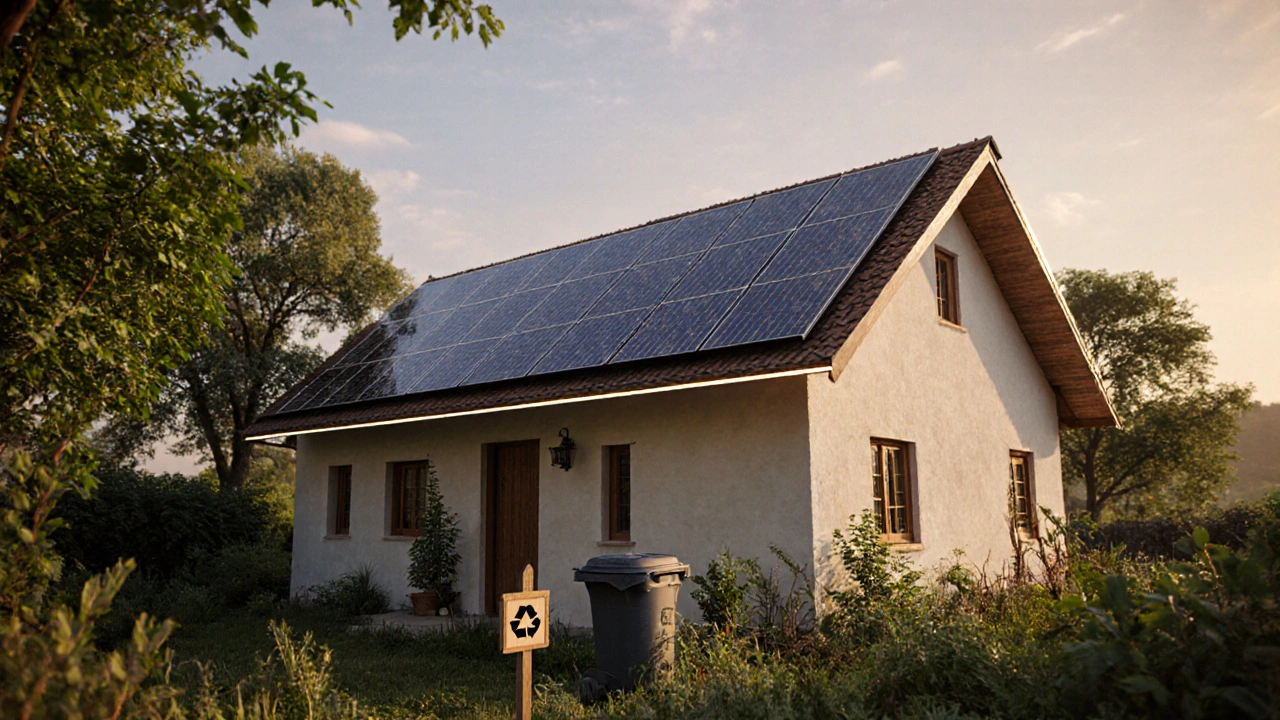
How to Make Your Airbnb Eco‑Friendly: Practical Tips for Sustainable Cottages
Learn how to make your Airbnb cottage eco‑friendly with actionable steps on energy, water, waste, cleaning, guest communication and certification.
Read MoreWhen you hear green hosting, a travel accommodation model that minimizes environmental impact through energy efficiency, waste reduction, and local sourcing. Also known as eco-friendly lodging, it’s not about fancy labels—it’s about real choices that lower carbon footprints while still giving you comfort. Think of it like choosing a car that runs on clean fuel, but for your vacation. You’re not just paying for a bed—you’re supporting places that generate their own power, recycle water, and serve food grown nearby.
True eco-friendly cottages, small, low-impact accommodations built with natural materials and designed to blend into the landscape. Also known as sustainable retreats, they’re often off-grid or near-net-zero, meaning they produce as much energy as they use. These aren’t just cabins with solar panels slapped on. They’re built with reclaimed wood, use composting toilets, and avoid single-use plastics. Some even grow their own vegetables or harvest rainwater. And yes, they exist in India—places like Woodland Retreat offer stays where the trees outside your window aren’t just decoration, they’re part of the system.
Then there’s the bigger picture: sustainable tourism, a travel approach that protects natural environments, supports local communities, and avoids over-tourism. Also known as responsible travel, it’s what turns a weekend getaway into something that actually helps the place you visited. It’s not just about your room—it’s about whether the staff are paid fairly, if the food is local, if the water you use comes from a protected source. The most expensive net-zero mansion, a luxury home designed to produce all the energy it needs through renewable sources like solar and wind. Also known as self-sufficient home, costs millions—but the principle is the same as the tiny cottage you rent for $150 a night: use less, give back more.
People think green hosting means sacrificing comfort. It doesn’t. It means getting better. Better insulation means warmer nights. Better design means quieter stays. Better sourcing means tastier meals. And better ethics mean you can feel good about where your money goes. You don’t need to be an activist to choose this. You just need to care enough to ask: Who built this? What does it use? Where does the waste go?
The posts below aren’t just about eco-trends—they’re about real people, real places, and real choices. You’ll find stories of homes that generate more power than they consume, tips on spotting greenwashing, and why some "eco-friendly" resorts are just marketing with bamboo curtains. You’ll see what actually makes a stay sustainable—and what’s just a pretty sign. Whether you’re looking for a quiet cottage, a luxury retreat, or just a smarter way to travel, this collection gives you the facts—not the fluff.
Learn how to make your Airbnb cottage eco‑friendly with actionable steps on energy, water, waste, cleaning, guest communication and certification.
Read More