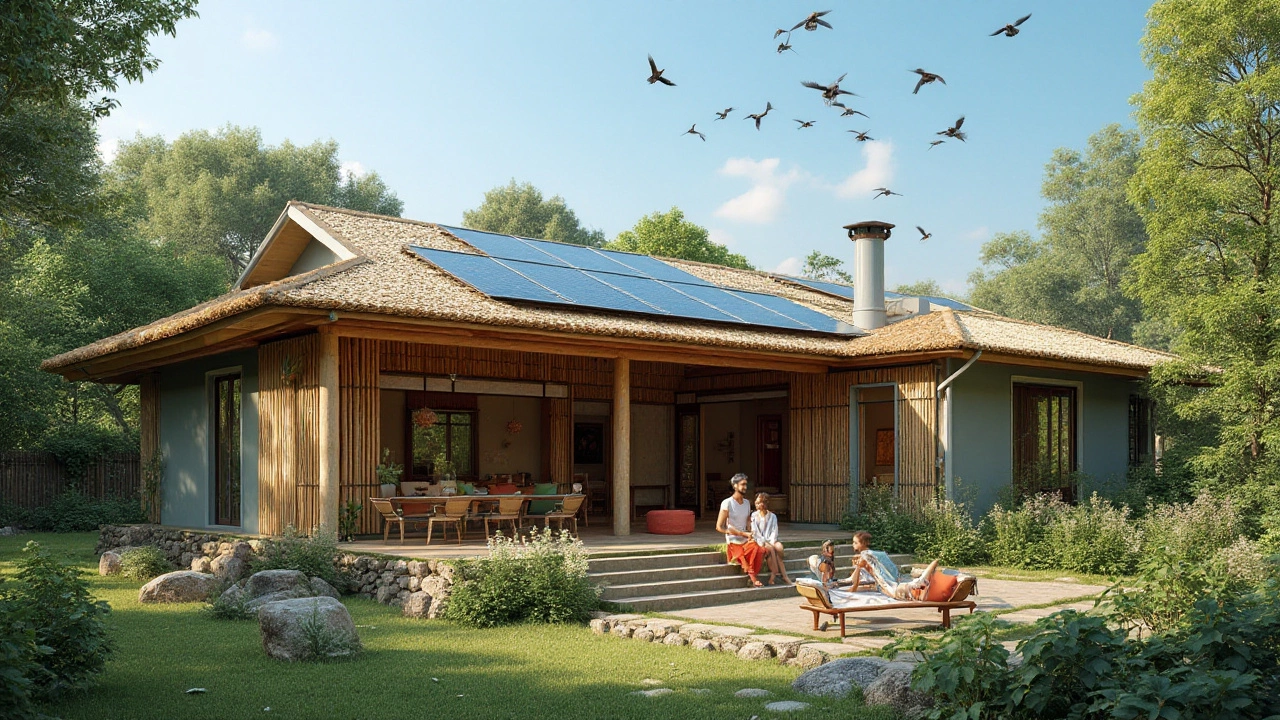
Green Home Living: Sustainable Homes, Eco-Friendly Cottages, and Real-Life Tips
When you hear green home living, a lifestyle focused on reducing environmental impact through energy efficiency, sustainable materials, and mindful consumption. Also known as sustainable living, it’s not about perfection—it’s about progress. Whether you’re in a tiny house on a hillside or a luxury net-zero mansion in British Columbia, the goal is the same: live well without draining the planet.
It’s not just about solar panels or compost bins. Real eco-friendly cottages, small, energy-efficient homes built with natural or recycled materials, often off-grid or low-impact. Also known as sustainable cottages, they’re becoming popular because they’re affordable to run, quiet, and deeply connected to nature. These aren’t just cabins with a few plants—they’re designed to last. A well-built eco-cottage can last 30 to 50 years with the right materials and care, as shown in real-world examples. And yes, some cost millions—like that $1 billion net-zero home that grows its own food and generates more power than it uses. But you don’t need a billion-dollar house to live sustainably. Many people cut their energy bills by 60% just by switching to LED lights, sealing drafts, and using rainwater collection systems.
What ties all this together? energy efficient homes, homes designed to use minimal power through insulation, smart appliances, passive solar design, and renewable energy sources. Also known as green homes, they’re the backbone of green home living. You’ll find them in the posts below—real stories from people who built, rented, or upgraded their spaces. Some turned their Airbnb into an eco-friendly haven. Others chose glamping over hotels because they wanted cleaner air and less waste. There are guides on how to make your vacation cabin truly green, how to spot greenwashing in luxury resorts, and why tipping housekeeping at an all-inclusive isn’t just polite—it’s part of supporting sustainable tourism.
Green home living isn’t a niche for tree-huggers. It’s a practical choice for anyone who wants lower bills, better health, and a quieter life. You don’t need to go off-grid to make a difference. Just start with one change: swap a single-use item for a reusable one, install a programmable thermostat, or choose a cottage over a high-rise hotel. The posts here don’t preach. They show you what works—in India, in Canada, in real homes where people are already living this way.