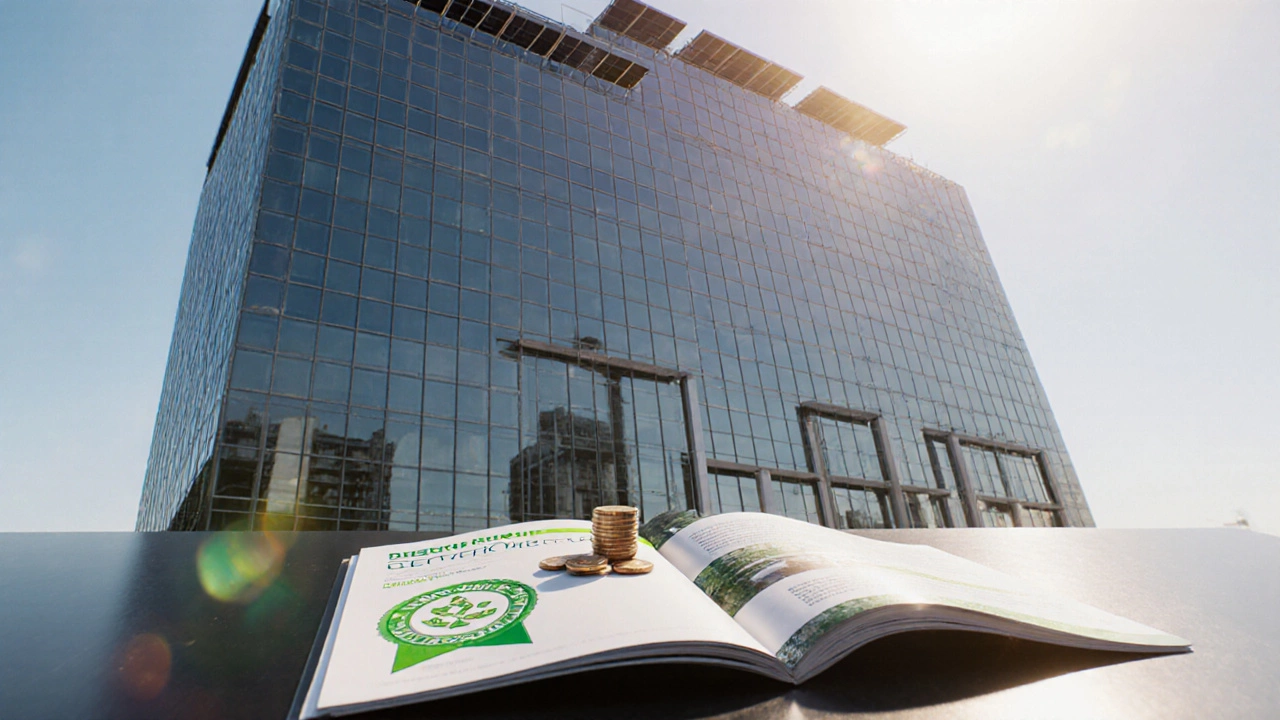
Hidden Drawbacks of Green Buildings You Need to Know
Explore the real downsides of green buildings, from higher upfront costs and certification headaches to performance gaps, maintenance challenges, and market impacts.
Read MoreWhen you think of green construction, the process of building homes and structures with minimal environmental impact using sustainable materials and energy-efficient designs. Also known as sustainable building, it’s not just about solar panels and recycled wood—it’s about fixing broken systems that still favor old, wasteful methods. Many assume going green means buying a few eco-friendly products and calling it a day. But the truth? Green construction fights against outdated codes, limited supply chains, and cost myths that make it harder than it looks.
Take eco-friendly cottages, small, low-impact homes designed to blend with nature while using renewable resources and reducing energy demand. Also known as sustainable cottages, they’re often the poster child for green living. But building one? You’ll hit roadblocks like finding certified low-VOC insulation that actually works in humid climates, or dealing with contractors who’ve never installed a green roof. Even when you find the right materials, delivery delays can blow your timeline—and your budget. Then there’s the energy efficient homes, homes built to use far less power through smart design, high-performance windows, and advanced insulation. Also known as energy-saving homes, they’re supposed to save money over time. But upfront costs scare people off. A net-zero home might cost 10–20% more at the start, and not all banks will lend for it. Even when they do, appraisers often don’t know how to value the energy savings, so your return on investment gets ignored.
And don’t forget the net zero mansion, a luxury home that produces as much energy as it consumes, often through solar arrays, geothermal systems, and smart automation. Also known as net-zero homes, they prove sustainability can be high-end. But here’s the catch: the bigger the home, the harder it is to balance energy use. A $37 million green mansion might generate its own power, but what about the carbon footprint of shipping rare materials from overseas? That’s the hidden trade-off most marketing glosses over. Real green construction isn’t just about tech—it’s about choices. Do you use locally sourced timber that’s harder to find but cuts transport emissions? Do you pay more for recycled steel that’s tougher to source but reduces mining damage? These aren’t theoretical debates. They’re daily decisions that make or break a project.
What you’ll find below aren’t just articles about pretty green roofs or fancy solar setups. These are real stories from people who’ve faced the messy, expensive, confusing side of building sustainably. From the hidden costs of eco-friendly materials to why even luxury green homes still struggle with supply chains, these posts cut through the hype. Whether you’re planning a tiny house, thinking about a cabin getaway, or just wondering why green building feels so hard—you’ll find answers here, no fluff, no sales pitch, just what actually happens when you try to build something better.
Explore the real downsides of green buildings, from higher upfront costs and certification headaches to performance gaps, maintenance challenges, and market impacts.
Read More