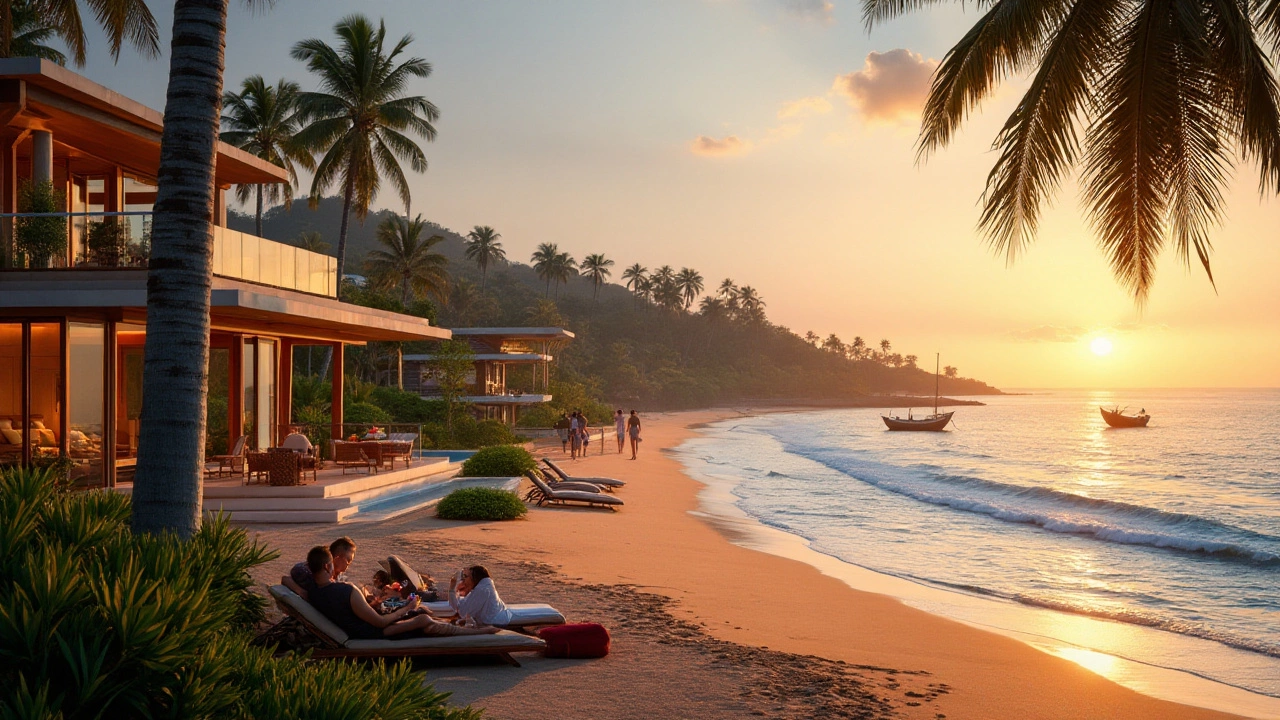
Expensive Land: What Makes Luxury Land So Costly and Where It’s Worth It
When you hear expensive land, a plot of land priced far above average due to location, exclusivity, or sustainability features. Also known as high-end property, it’s not just about square footage—it’s about access, privacy, and the ability to build something that doesn’t just sit on the earth, but works with it. This isn’t your typical backyard plot. We’re talking about land that costs more than a luxury car, sometimes more than a small apartment building. And it’s not just because it’s near the ocean or tucked into the mountains. The real value? It’s in what you can do with it.
sustainable cottages, homes built to generate their own power, collect rainwater, and grow food without harming the environment. Also known as net-zero homes, they’re becoming the dream for people who want to live off-grid without giving up comfort. That’s why land with solar exposure, natural water sources, and minimal zoning restrictions commands a premium. One $1 billion cottage in British Columbia doesn’t just sit on land—it *uses* the land to power itself. That kind of design needs the right soil, slope, and sun. And that’s rare. Then there’s eco-friendly houses, homes designed to reduce environmental impact through energy efficiency, non-toxic materials, and low-waste construction. Also known as green homes, they’re not just a trend—they’re a long-term investment. But you can’t build one just anywhere. You need land that allows for solar panels, composting toilets, and rainwater harvesting. Many places ban those things. Others charge extra fees. So the land itself becomes part of the system.
And then there’s the silence. The kind you can’t buy in a city. The kind that comes with 50 acres of forest, no neighbors within sight, and no streetlights. That kind of peace? It’s priceless. And people are paying millions for it. Not because they want to show off—but because they want to breathe. In India, places like the hills of Coorg or the forests of Uttarakhand are seeing the same shift. Land that was once cheap is now being snapped up by people who want to build quiet retreats, not resorts. They’re not looking for a vacation home. They’re looking for a life.
So when you see a price tag on land that makes you blink, ask yourself: Is it just the view? Or is it the freedom? The ability to build something real, something that lasts, something that doesn’t just take from the earth but gives back? That’s what makes expensive land worth it—not the address, but the possibility.
Below, you’ll find real stories from people who’ve bought, built, and lived on land that costs more than most will ever earn in a lifetime. Some made it work. Others learned the hard way. All of them had one thing in common: they didn’t just buy land. They bought a future.