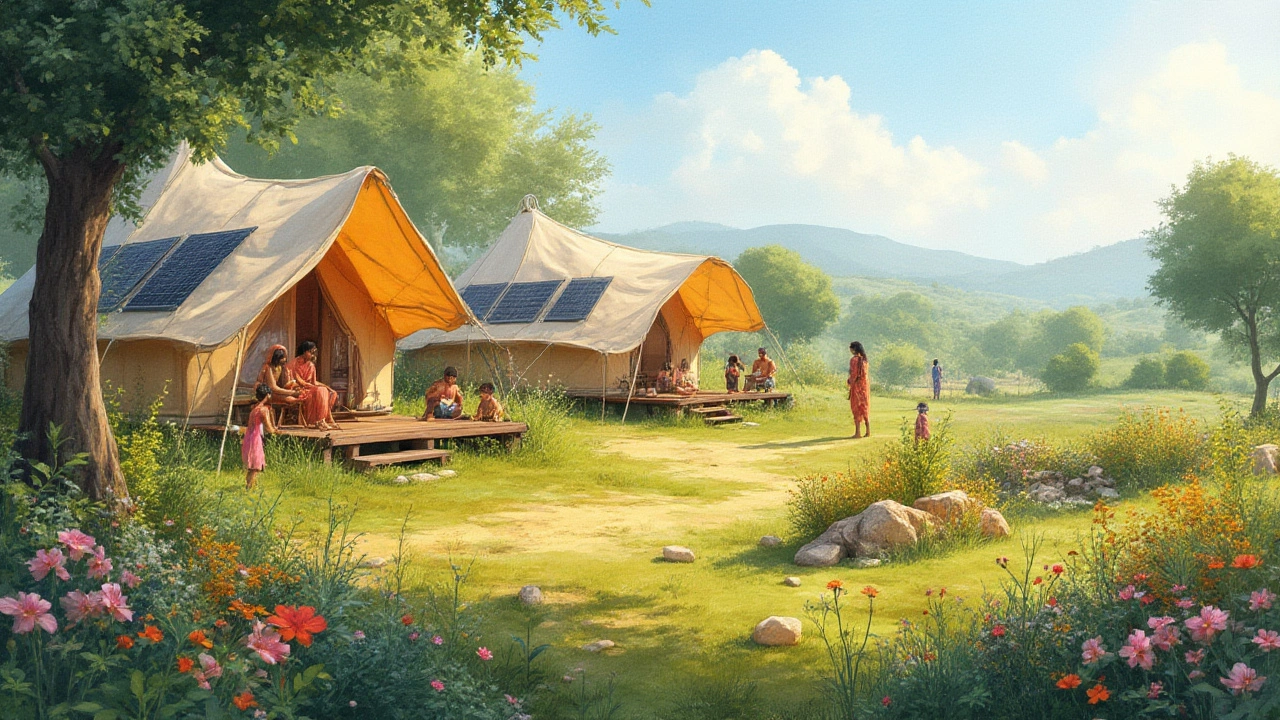
Is Glamping Eco Friendly? Honest Insights for Sustainable Travel
Ever wondered if glamping really lives up to its 'green' hype? Get the real scoop on glamping's eco footprint, practical tips, and how to choose planet-friendly stays.
Read MoreWhen you book a stay, you’re not just choosing a bed—you’re making a decision with real environmental impact, the measurable effect a travel or lodging choice has on natural ecosystems, resource use, and climate health. Also known as travel footprint, it shows up in water waste, energy use, and even the carbon emissions from building and maintaining your cottage or resort. This isn’t theoretical. A single luxury glamping tent can use more water in one night than a rural Indian village uses in a week. And while you might think "eco-friendly cottages" are the answer, not all are created equal.
The eco-friendly cottages, small, often off-grid accommodations built with sustainable materials and low-impact design. Also known as green lodges, they can be a win—if they actually generate their own power, recycle water, and avoid clearing native trees. But many just slap on a solar panel and call themselves sustainable. Meanwhile, sustainable tourism, a travel approach that minimizes harm to the environment and supports local communities. Also known as responsible travel, it isn’t about where you sleep—it’s about how you live while you’re there. Do you reuse towels? Do you eat local food? Do you avoid single-use plastics? These habits matter more than the label on your booking page.
The green hospitality, the industry practice of reducing environmental harm in hotels, resorts, and vacation rentals. Also known as eco-conscious lodging, it is changing fast. Some resorts now track their carbon output per guest. Others ban air conditioning unless the temperature hits 32°C. A few even let guests pay a small fee to offset their stay’s emissions—and actually plant trees with it. But most still rely on vague claims like "green" or "natural" without proof. That’s why the posts below cut through the noise. You’ll find real data on what makes a cottage truly low-impact, how all-inclusive resorts drain local resources, and why glamping can be worse than a concrete hotel if it’s not done right.
What you’ll find here isn’t a list of perfect places. It’s a guide to asking the right questions. You’ll learn why a $1 billion net-zero mansion might still be a problem, how tipping housekeeping ties into worker welfare and energy use, and whether your "eco-friendly" Airbnb is just using recycled shampoo bottles as a marketing trick. This isn’t about guilt. It’s about clarity. The next time you book a stay, you’ll know exactly what you’re supporting—and what you can change to make it better.
Ever wondered if glamping really lives up to its 'green' hype? Get the real scoop on glamping's eco footprint, practical tips, and how to choose planet-friendly stays.
Read More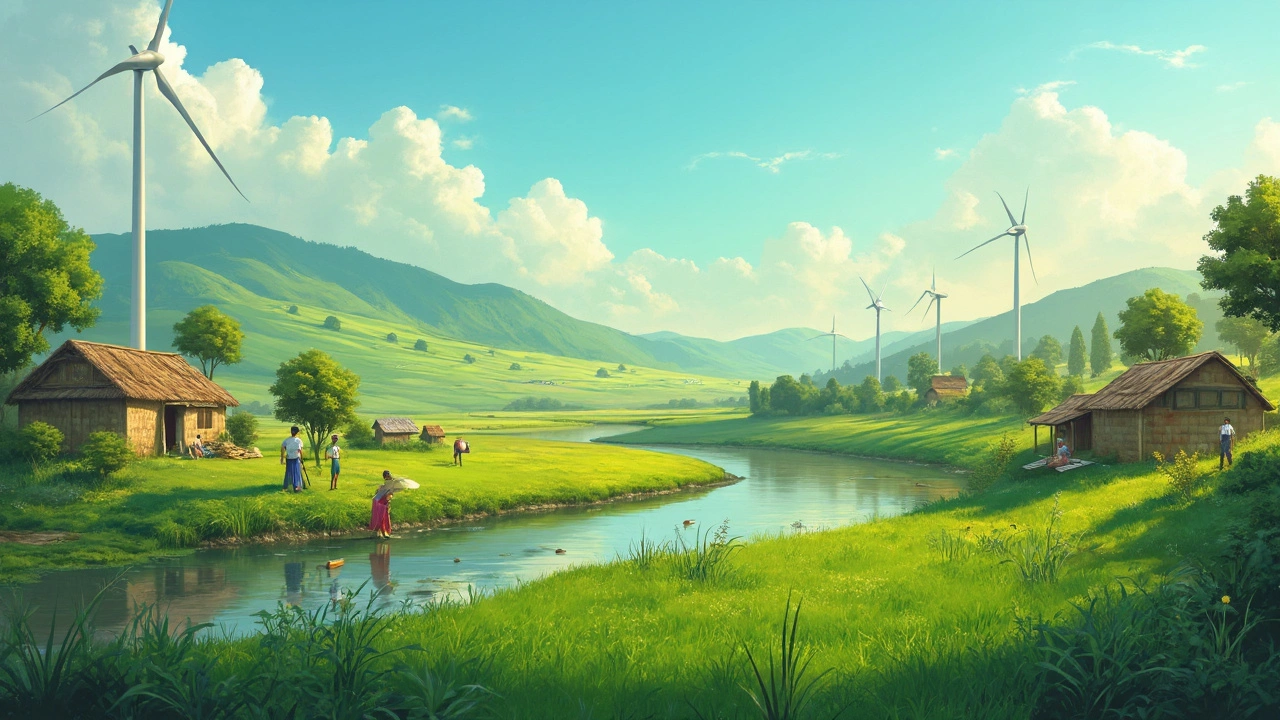
The article explores which U.S. state earns the crown as the greenest, highlighting its eco-friendly initiatives, policies, and accommodations. It offers insights into sustainable practices that make a state environmentally progressive, such as renewable energy usage, conservation efforts, and eco-tourism. With a focus on eco-friendly cottages, the article provides practical tips for travelers looking to minimize their environmental footprint while enjoying nature. From sustainable building materials to off-grid living solutions, learn what makes a state a leader in green living. This guide offers both travel inspiration and practical knowledge for eco-conscious individuals.
Read More