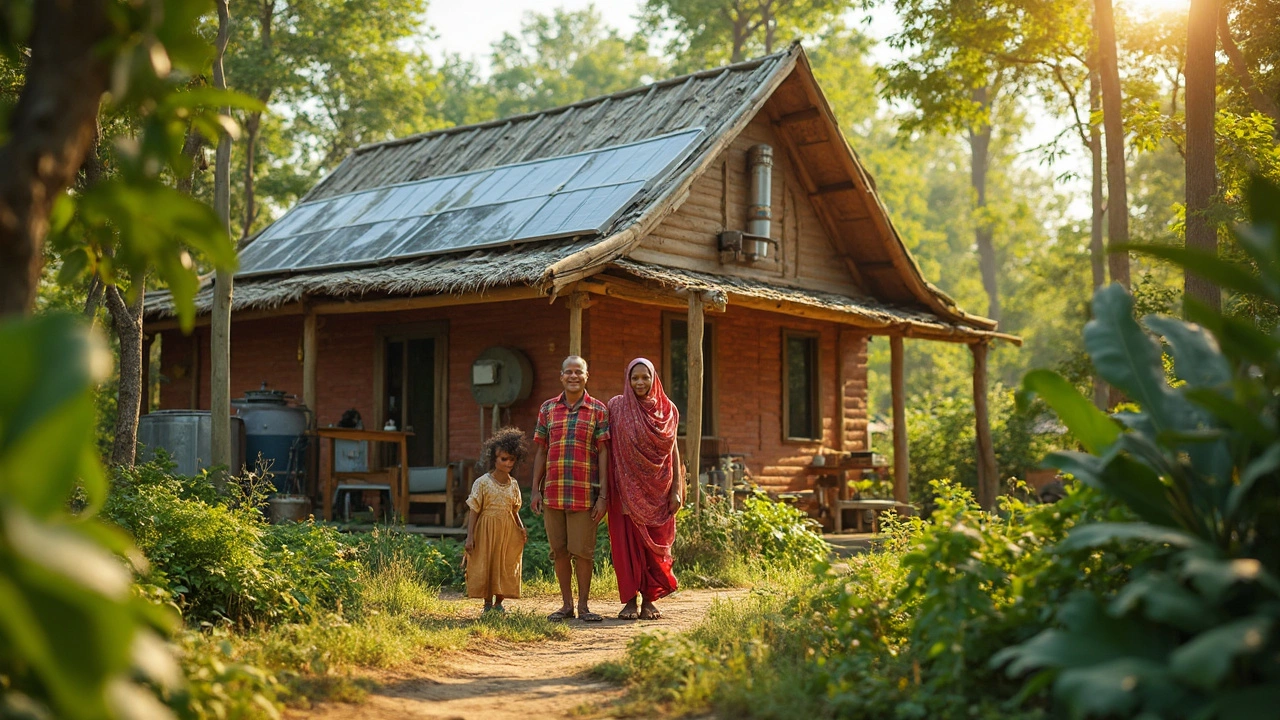
Energy Savings: How Eco-Friendly Homes Cut Costs and Protect the Planet
When you think about energy savings, the reduction of power use in homes to lower bills and environmental impact. Also known as power efficiency, it's not just about flipping switches—it's about how your space is built, managed, and lived in. Real energy savings happen when design and behavior work together. A well-insulated cottage in the hills doesn’t need constant heating. A solar-powered cabin doesn’t rely on the grid. These aren’t futuristic ideas—they’re everyday choices people are making right now, especially in places like India where natural light and cool breezes can do half the work.
It’s not just about eco-friendly houses, homes built with materials and systems that minimize environmental harm. Also known as green homes, they’re designed to last longer, use less, and give back more. Many of these homes generate their own power, collect rainwater, and use natural ventilation instead of AC. That’s why some cost more upfront but save thousands over time. You’ll see this in posts about net-zero mansions and sustainable cottages—places where the goal isn’t luxury for luxury’s sake, but smart living that lasts. And it’s not just for millionaires. Even small changes—like switching to LED lights or sealing drafty windows—add up fast. energy efficient homes, residences designed to use minimal energy for heating, cooling, and lighting. Also known as low-energy homes, they’re the quiet heroes of modern travel. Whether you’re renting a cabin or owning a cottage, these features make your stay cooler in summer, warmer in winter, and lighter on your wallet.
What’s missing from most travel ads? The real cost of wasted energy. Hotels that run AC 24/7, resorts that use bottled water because the taps aren’t trusted, cabins with old windows that leak heat—these aren’t just bad for the planet, they’re bad for your budget. The posts below show you what actually works: how to spot a truly green stay, what to ask before booking, and how even small habits—like turning off lights or choosing a room with natural shade—can slash your energy footprint. You’ll find stories about homes that produce more power than they use, tips for making your Airbnb greener, and real price breakdowns that prove sustainability isn’t a luxury—it’s a smarter way to travel.