Electricity in Eco-Friendly Homes: Power, Efficiency, and Real-World Insights
When you think about electricity, the flow of power that runs everything from lights to water pumps in modern homes. Also known as power supply, it’s the silent backbone of any home—especially those built to live lightly on the planet. In an eco-friendly house, a home designed to use minimal energy, reduce waste, and rely on renewable sources. Also known as green home, it doesn’t just plug into the grid—it rethinks how energy is made, stored, and used. These homes often run on solar panels, wind turbines, or battery banks, turning the idea of "electricity" from a utility bill into a system you control.
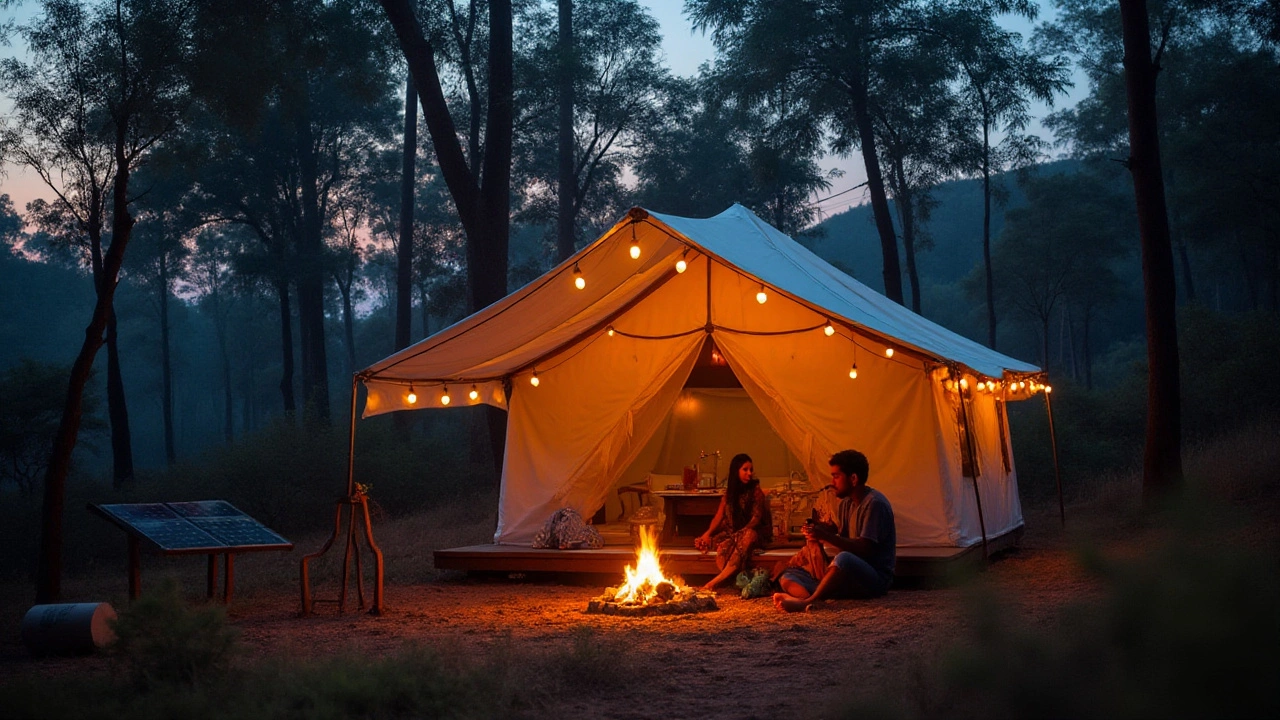
That shift changes everything. An off-grid home, a residence that operates independently of public power networks. Also known as self-sufficient dwelling, it doesn’t wait for the utility company to turn the lights on. It generates its own juice, stores it in lithium or lead-acid batteries, and uses smart inverters to make sure every watt counts. You won’t find wasteful appliances here. Instead, you’ll see LED lighting, heat-pump water heaters, and energy-star-rated fridges—all chosen because they use less power without sacrificing comfort. And it’s not just about being green. In places like the Himalayan foothills or the forests of Coorg, where grid power is unreliable or nonexistent, off-grid electricity isn’t a trend—it’s survival.
Then there’s the energy efficient home, a structure built or retrofitted to minimize energy consumption through insulation, smart design, and efficient tech. Also known as low-energy house, it cuts down on electricity needs before you even flip a switch. Double-glazed windows, passive solar heating, and thermal mass walls keep interiors warm in winter and cool in summer, slashing the need for AC or heaters. These homes don’t just save money—they make you feel better. No more buzzing lights, no more power surges, no more guessing if your bill will spike next month.
And here’s the thing: electricity in these homes isn’t just about panels and wires. It’s about habits. It’s about knowing when to run the washing machine (sunrise, when solar is peaking). It’s about unplugging the charger even when the phone’s full. It’s about choosing a cabin with natural ventilation over one that needs constant fans. The most efficient homes aren’t the most high-tech—they’re the ones where people live with intention.
What you’ll find in the posts below isn’t theory. It’s real talk from people who’ve lived it. You’ll see how much electricity a $1 billion net-zero cottage actually uses (spoiler: it’s less than your fridge). You’ll learn why some eco-friendly cottages run on solar alone—and how they handle monsoon season. You’ll get the truth about off-grid power costs, battery life, and what happens when the sun doesn’t shine for three days. This isn’t a marketing page. It’s a collection of honest experiences from folks who’ve wired their own homes, battled power outages, and figured out how to live comfortably without depending on the grid.