Eco Homes: Sustainable Living with Real-World Durability and Cost Insights
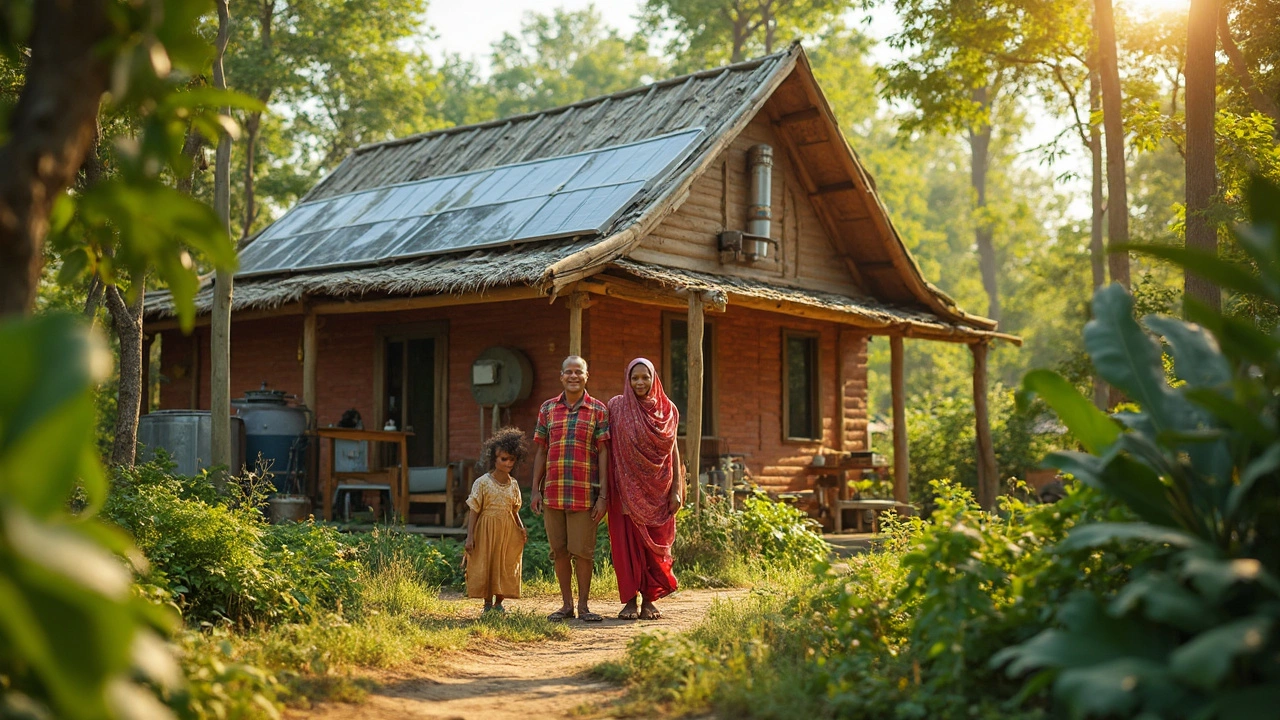
When you think of an eco home, a residential structure designed to minimize environmental impact through energy efficiency, sustainable materials, and low-waste systems. Also known as green home, it’s not just about solar panels—it’s about building something that lasts, uses less, and gives back to the land. These aren’t futuristic domes or expensive oddities. Real eco homes in India—like the cozy cottages at Woodland Retreat—are made with local wood, passive cooling, rainwater capture, and solar power. They’re quiet, comfortable, and built to outlast conventional houses.
What makes an eco home different isn’t just the tech—it’s the mindset. A sustainable cottage, a small, energy-efficient dwelling designed for low environmental impact and long-term self-sufficiency. Also known as eco-friendly cottage, it’s often off-grid or partially off-grid, using natural insulation and renewable energy to cut costs and emissions. These aren’t just for survivalists. People choose them because they want peace, lower bills, and to live without guilt. One $37 million net-zero mansion in the U.S. generates more power than it uses. But you don’t need that kind of money. A well-built eco home in India can last 40 to 50 years with basic care—longer than many concrete apartments.
And it’s not just about the structure. It’s about how you live in it. Making your Airbnb eco-friendly means switching to biodegradable cleaners, installing low-flow showerheads, and encouraging guests to reuse towels. It’s the small things that add up. The same goes for glamping—luxury camping with real sustainability. Think solar-heated showers, composting toilets, and cabins built on stilts to protect the soil beneath. These aren’t trends. They’re practical choices for people who want comfort without compromise.
Some think eco homes cost too much upfront. But look closer. They save money on electricity, water, and maintenance. In places like Kerala or Uttarakhand, where summers are hot and winters are damp, a well-designed eco home cuts cooling and heating costs by half. Government grants in India help too. And resale value? It’s rising fast. Buyers now ask: "Is it energy efficient?" before they ask "How many bedrooms?"
You’ll find real stories below—from the $1 billion net-zero mansion that grows its own food to the tiny house that lasted 35 years with just a fresh coat of paint. You’ll see what’s included in luxury eco stays, how tipping at resorts connects to sustainability, and why some all-inclusive resorts are trying harder to go green. This isn’t theory. It’s what people are doing right now—right here in India.