Eco Home Disadvantages: What No One Tells You About Sustainable Living
When you think of an eco home, a residential structure designed to minimize environmental impact through energy efficiency, renewable materials, and low-waste systems. Also known as a green home, it’s built to last longer, use less power, and harm the planet less. But here’s the part they don’t show in those Instagram photos of solar panels and bamboo floors: eco home disadvantage isn’t just about price tags—it’s about hidden struggles you won’t read about in brochures.
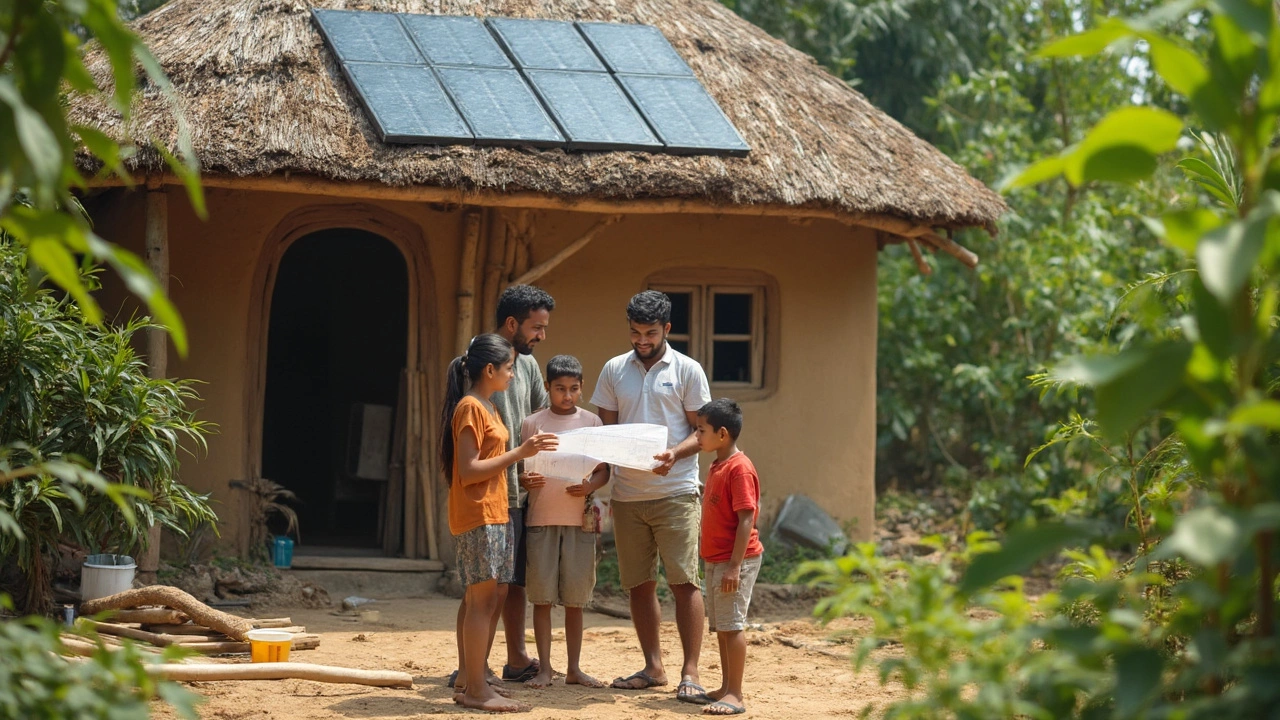
Take sustainable cottages, small, off-grid or low-impact homes often used as vacation rentals or permanent residences. They look charming, but insulation isn’t always as good as it seems. In winter, you might find yourself bundling up indoors because the thick walls trap cold instead of holding heat. Or maybe your rainwater system clogs every monsoon, and fixing it means calling someone who specializes in eco-systems—not your local plumber. Even off-grid homes, homes designed to operate independently from public utilities like electricity and water grids come with a catch: if your solar batteries die in a storm, there’s no backup. No grid. No quick fix. Just cold coffee and quiet nights.
And then there’s the cost. Sure, an eco-friendly house, a home built with environmentally responsible materials and energy-saving technologies saves money over time—but the upfront hit? It’s brutal. You’re paying more for recycled steel, reclaimed wood, high-end insulation, and specialized installers. Some people think they’re buying a green dream. They end up buying a long-term project. Maintenance isn’t just about fixing a leaky faucet. It’s about checking your composting toilet, cleaning solar panels after dust storms, replacing geothermal loops that wear out faster than expected. These aren’t problems you can ignore for a year.
Not every eco home is a net-zero marvel. Some are just standard houses with a few solar panels slapped on and a green label. Others are over-engineered showpieces that cost millions and barely function in real weather. The truth? Sustainable living isn’t about perfection. It’s about trade-offs. You gain peace of mind, lower bills, and cleaner air—but you also gain responsibility. More work. More planning. More patience.
Below, you’ll find real stories from people who’ve lived in these homes. They’ll tell you what broke, what surprised them, what saved them money—and what didn’t. No fluff. No marketing. Just the kind of honest talk you won’t find on a brochure.