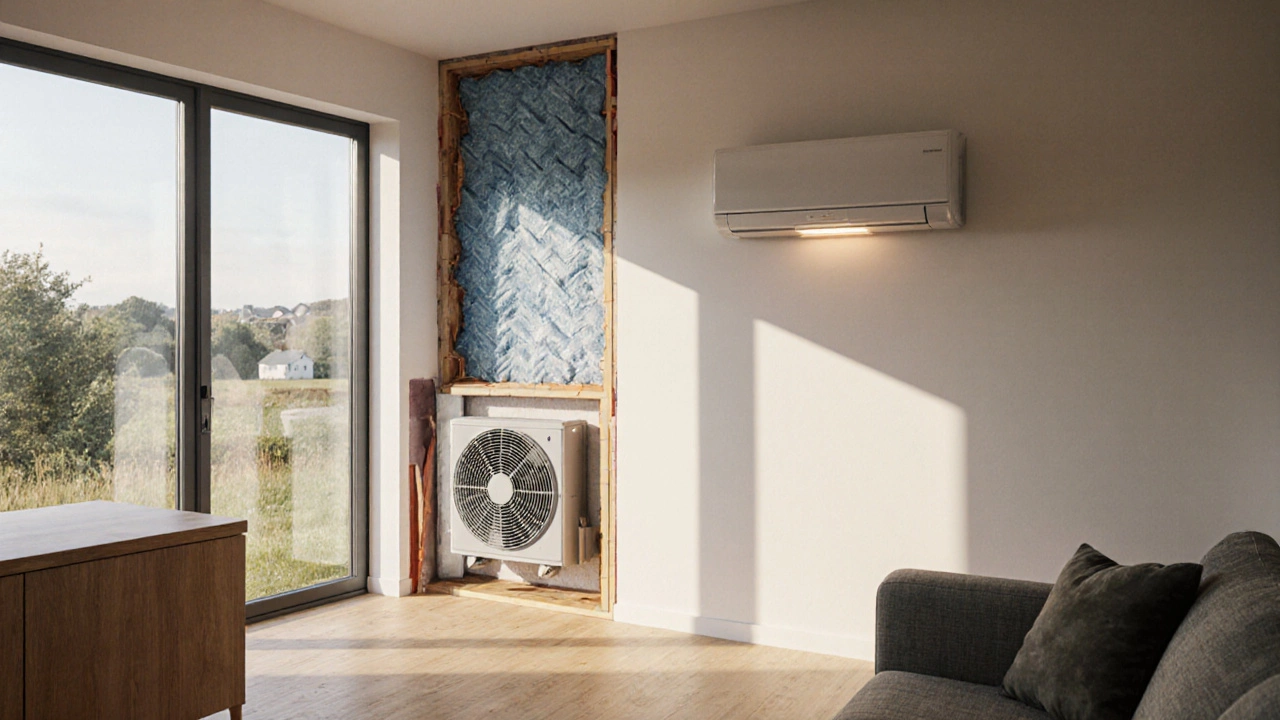
Eco Home Costs: What You Really Pay for Sustainable Living
When you hear eco home costs, the total price of building or buying a home designed to reduce environmental impact. Also known as green home expenses, it’s not just about solar panels and recycled wood—it’s about long-term value, hidden trade-offs, and whether you’re paying for real sustainability or just marketing. Most people assume eco homes are either cheap tiny cabins or crazy-expensive luxury mansions. But the truth? The real cost depends on what you’re actually getting: energy independence, water recycling, passive design, or just a fancy label.
Take the eco-friendly cottages, small, often off-grid homes built with natural or recycled materials. Also known as sustainable cabins, they can start under $50,000 if you DIY—but add insulation, solar batteries, and rainwater systems, and that price jumps fast. On the other end, a net zero mansion, a luxury home that produces more energy than it uses. Also known as self-sufficient luxury homes, can hit $37 million or even $1 billion, like the one in British Columbia that grows its own food and harvests its own water. These aren’t just houses—they’re ecosystems. But here’s the catch: most people don’t need a $1 billion home to live sustainably. You can cut your carbon footprint and energy bills dramatically with smart upgrades, even in a regular house.
The big question isn’t just how much you spend—it’s what you get for it. A $75-a-night glamping tent might feel eco-friendly, but if it’s powered by diesel generators and disposable linens, it’s not. Meanwhile, a $500,000 cabin with passive heating, composting toilets, and rooftop solar might cost more upfront but save you thousands over time. The most expensive eco homes aren’t expensive because they’re big—they’re expensive because they’re engineered to run completely off the grid, with no reliance on public utilities. That’s rare. And it’s not for everyone. But you don’t need to live like a billionaire to live sustainably. You just need to know what matters: energy efficiency, materials that last, and systems that actually work—not just look good.
What you’ll find below are real stories from people who’ve built, bought, or stayed in these places. From the hidden fees in all-inclusive eco-resorts to whether a tiny house really lasts 50 years, these posts cut through the hype. You’ll see what actually drives eco home costs, what’s worth the investment, and where most people waste money. No fluff. Just facts, prices, and the kind of details you won’t find on a brochure.