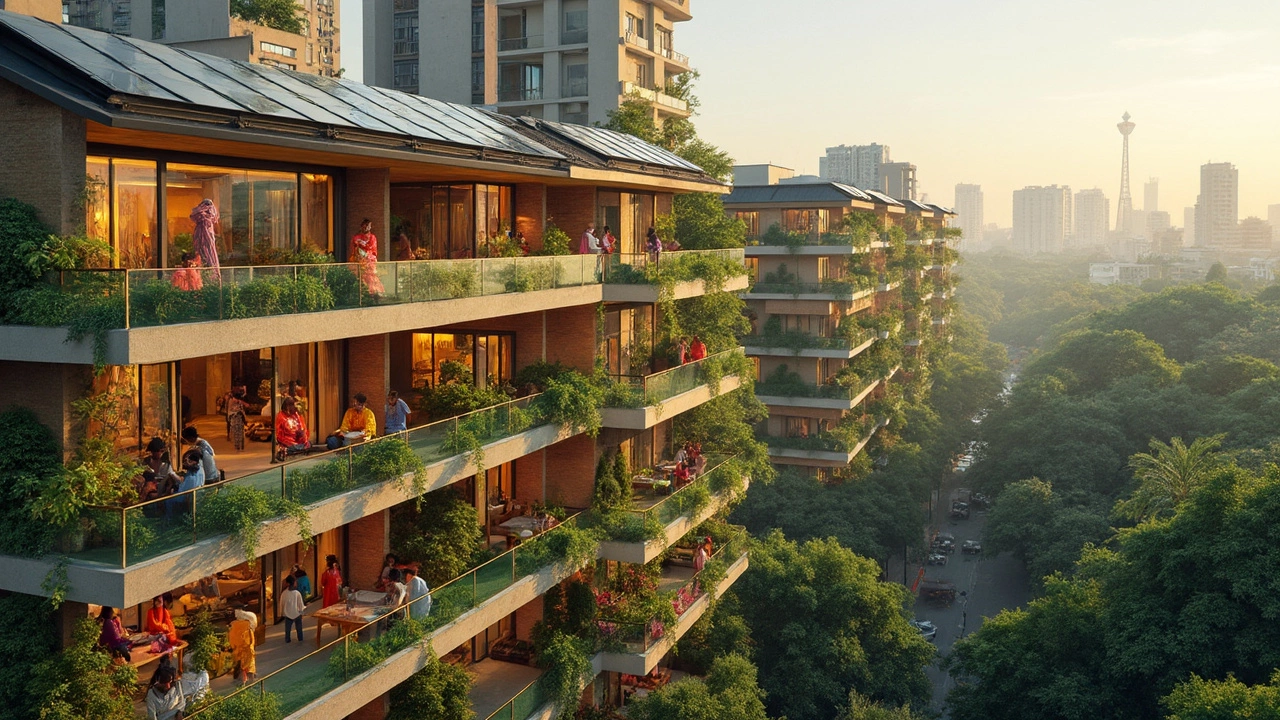
Eco-Friendly Living: Sustainable Homes, Green Cottages, and Real Ways to Live Lighter
When you hear eco-friendly living, a way of life that reduces harm to the environment through daily choices and sustainable design. Also known as green living, it’s not about perfection—it’s about progress. Whether you’re swapping plastic for reusable containers or choosing a home that generates its own power, every small step adds up. This isn’t just about recycling bins or LED bulbs. True eco-friendly living means rethinking how you use energy, water, and space—and it starts at home.
Many people think sustainable cottages, small, energy-efficient homes built with natural or recycled materials, often located in quiet natural settings. Also known as green cottages, they’re designed to blend into the landscape, not dominate it. are only for off-grid dreamers. But the truth? You don’t need to live in the woods to live sustainably. From green homes, residential buildings built or retrofitted to minimize environmental impact through insulation, solar panels, rainwater systems, and non-toxic materials. Also known as energy-efficient homes, they’re becoming more common in towns and suburbs. to luxury net-zero mansion, a high-end home that produces as much energy as it uses over a year, often with solar roofs, geothermal heating, and on-site food production. Also known as net-zero home, they prove sustainability doesn’t mean sacrifice., the options are wider than you think. Some cost less than a traditional renovation. Others, like the $1 billion eco-cottage in British Columbia, show what’s possible when money meets purpose.
What ties these together? It’s not the price tag. It’s the mindset. People who live this way don’t just buy ‘green’ products—they ask questions: Where did this come from? What happens when I’m done with it? Can I do without it? They choose cabins over high-rises because they value quiet over convenience. They tip housekeepers at resorts because they know service workers depend on it. They skip all-inclusive packages not because they’re cheap, but because they want real food, real experiences, and real connection.
Below, you’ll find real stories from people who’ve made the shift. You’ll learn how long a tiny house actually lasts, what’s hidden in that ‘unlimited drinks’ package, and why a $75 glamping night might be the smartest vacation you’ve ever taken. No fluff. No guilt. Just facts, tips, and straight talk from those who’ve done it—and lived to tell the tale.