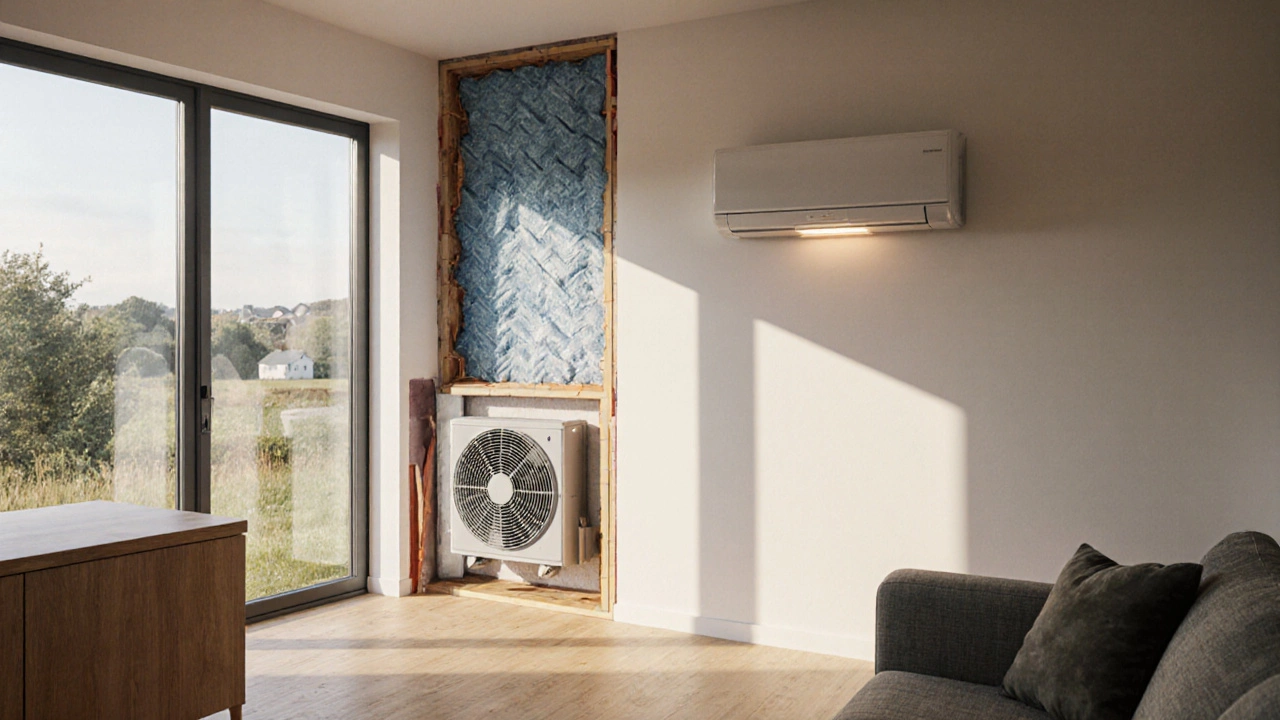
Eco-Friendly Houses: Sustainable Homes That Last and Save Money
When you hear eco-friendly houses, homes designed to use less energy, water, and materials while reducing environmental harm. Also known as green homes, they’re not just about solar panels and recycled wood—they’re built to last, cost less over time, and fit into nature instead of fighting it. These aren’t fringe experiments. People are choosing them because they work—whether it’s a $37 million net-zero mansion in California or a simple wooden cottage in the Indian hills that runs on rainwater and solar power.
Sustainable cottages, smaller, low-impact homes often made from natural or reclaimed materials. Also known as eco cottages, they’re popular because they’re affordable to build and easy to maintain. Many of these use local timber, natural insulation like wool or cork, and passive design—big windows facing the sun in winter, overhangs blocking heat in summer. No fancy tech needed. Just smart planning. And they’re not just for off-grid dreamers. Families, retirees, and remote workers are moving into them because they’re quiet, healthy, and cheaper to run. Meanwhile, net-zero home, a house that produces as much energy as it uses over a year. Also known as zero-energy home, it’s the gold standard in green building. These homes have solar panels, high-efficiency insulation, and smart systems that track usage. One in British Columbia even grows its own food and filters its own water. It’s not sci-fi—it’s real, and it’s getting more common.
What’s the point of all this? Because buying a house isn’t just about the price tag. It’s about what you pay every month for power, water, repairs, and health. Eco-friendly houses cut those costs. They don’t leak air. They don’t need constant fixing. They don’t make you sick from bad insulation or toxic paint. And when you live near nature—like the wooded hills where Woodland Hotel’s cottages sit—you feel it. The air is cleaner. The silence is deeper. You sleep better.
Below, you’ll find real stories from people who’ve built, bought, or lived in these homes. You’ll see how much they cost, what breaks down, what surprises people, and why some end up spending millions while others save thousands. No fluff. Just facts from the field.