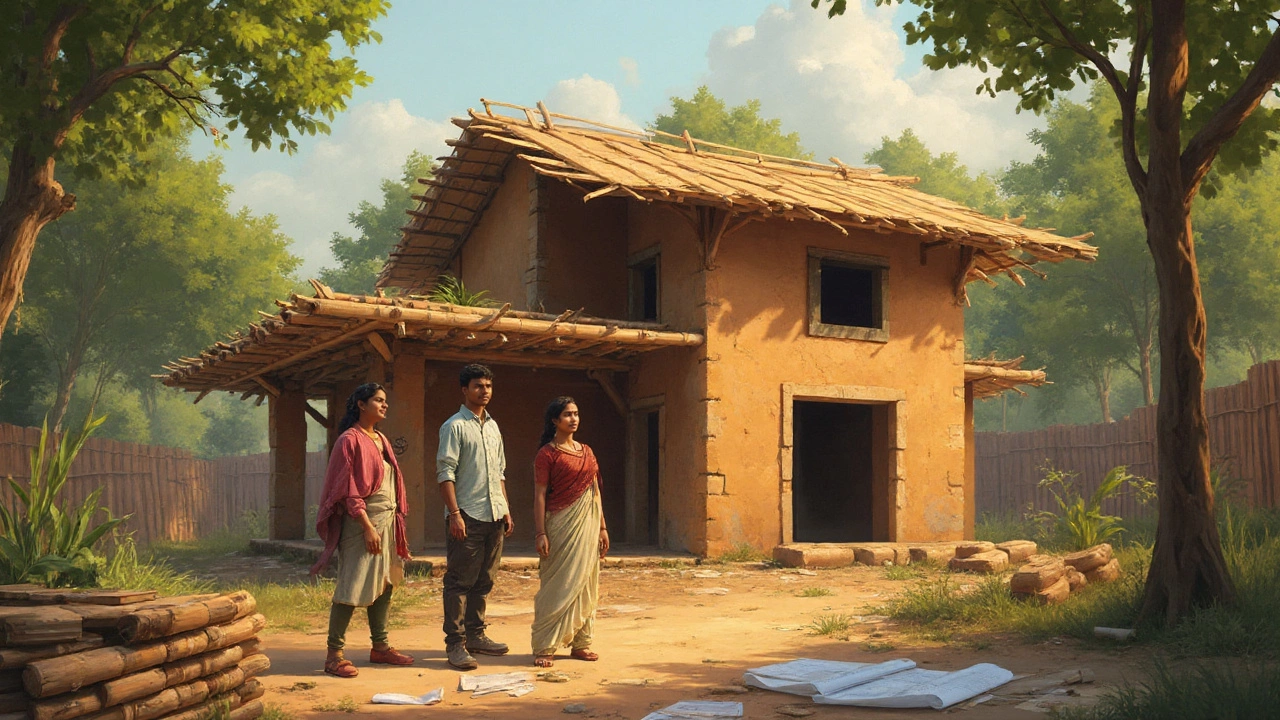
Eco-Friendly Home Building: Real-World Challenges and Limitations
Building an eco-friendly home sounds ideal but real-life limitations can catch you off guard. Learn about budgets, regulations, materials, and tech hurdles firsthand.
Read MoreWhen you hear eco-friendly home, a residence designed to minimize environmental impact through energy efficiency, sustainable materials, and waste reduction. Also known as a green home, it’s not just a trend—it’s a practical shift in how people build and live. Think less about fancy gadgets and more about smart choices: insulation that keeps heat in, windows that let in light without letting in heat, and roofs that grow plants instead of leaking. These homes don’t need to be huge or expensive to make a difference.
What makes an eco-friendly home, a residence designed to minimize environmental impact through energy efficiency, sustainable materials, and waste reduction. Also known as a green home, it’s not just a trend—it’s a practical shift in how people build and live. work isn’t magic. It’s the little things: rainwater collection systems that cut water bills, LED lighting that lasts decades, and materials like reclaimed wood or recycled steel that don’t drain forests or mines. Some even generate their own power—like the net-zero mansion, a home that produces as much energy as it uses over a year, often through solar panels and smart energy storage. Also known as a net-zero home, it’s the gold standard in sustainable living. And yes, they exist in India too, tucked into quiet hillsides and forest edges, blending comfort with calm.
You don’t need to build from scratch to live this way. Many people retrofit old cottages with better windows, switch to solar water heaters, or start composting kitchen scraps. Even small changes—like using non-toxic cleaners or choosing energy-star appliances—add up. The sustainable cottages, small, low-impact homes often built with natural or recycled materials, designed for minimal environmental footprint. Also known as eco cottages, they’re popular in rural and getaway destinations you see in places like the Himalayas or Kerala aren’t just pretty—they’re built to last, using local wood, stone, and clay that breathe with the seasons. They cost less to run, need less repair, and feel more connected to the land.
And here’s the thing: an eco-friendly home isn’t just good for the planet. It’s good for your wallet. Lower energy bills, fewer repairs, and rising resale values make these homes smarter investments. Government grants and tax breaks in India are starting to help too. You don’t have to go all-in on solar panels to start. Just begin where you are. Fix a leaky window. Swap one bulb. Choose a cleaner detergent. These aren’t perfect acts—they’re real ones.
What you’ll find below are real stories from people who’ve done it: from a $37 million net-zero mansion to a $75-a-night eco-cottage that runs on sunlight. You’ll see how people cut waste, saved money, and still had space to breathe. No fluff. No marketing hype. Just what works—and what doesn’t—in today’s world of climate-conscious living.
Building an eco-friendly home sounds ideal but real-life limitations can catch you off guard. Learn about budgets, regulations, materials, and tech hurdles firsthand.
Read More