Eco-Friendly Stays: Sustainable Cottages and Green Living Tips
When you think of an eco-friendly, a way of living that reduces harm to the environment through energy efficiency, waste reduction, and sustainable materials. Also known as green living, it’s not just a trend—it’s a practical shift in how we choose where to stay. An eco-friendly cottage isn’t just a wooden cabin with solar panels. It’s a home designed to give back more than it takes—from rainwater collection to composting toilets, from locally sourced timber to zero-emission heating.
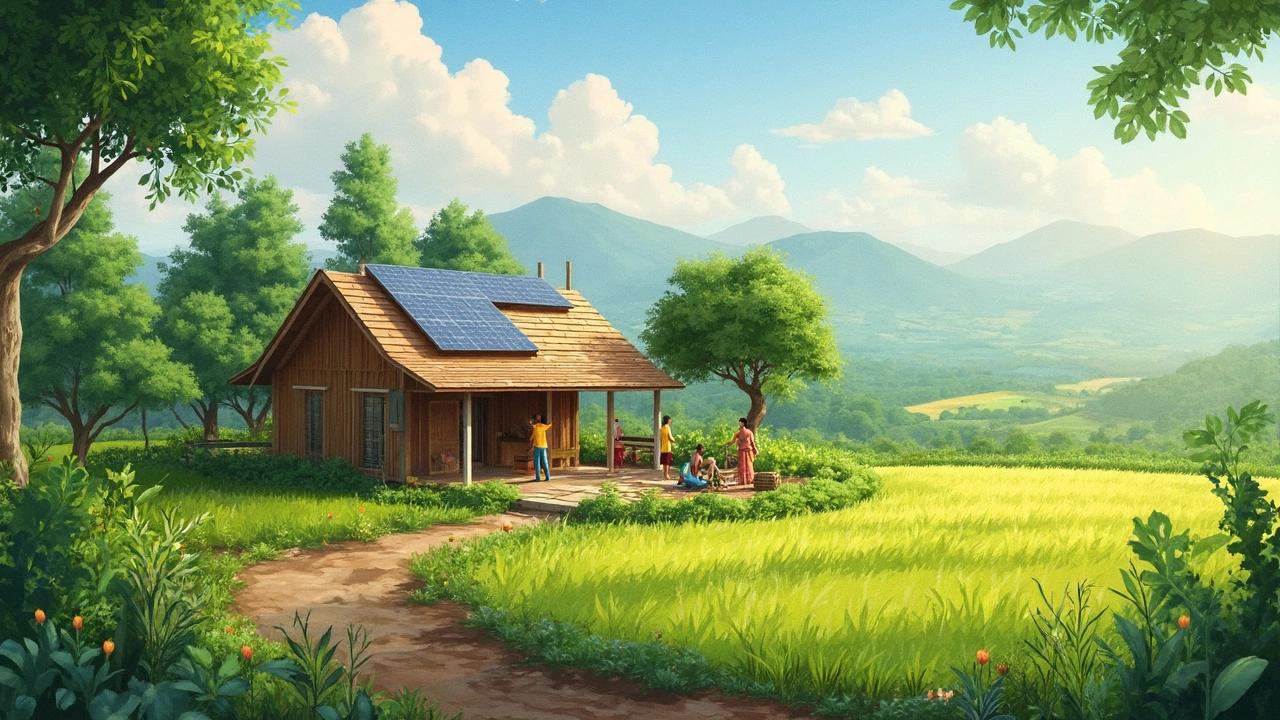
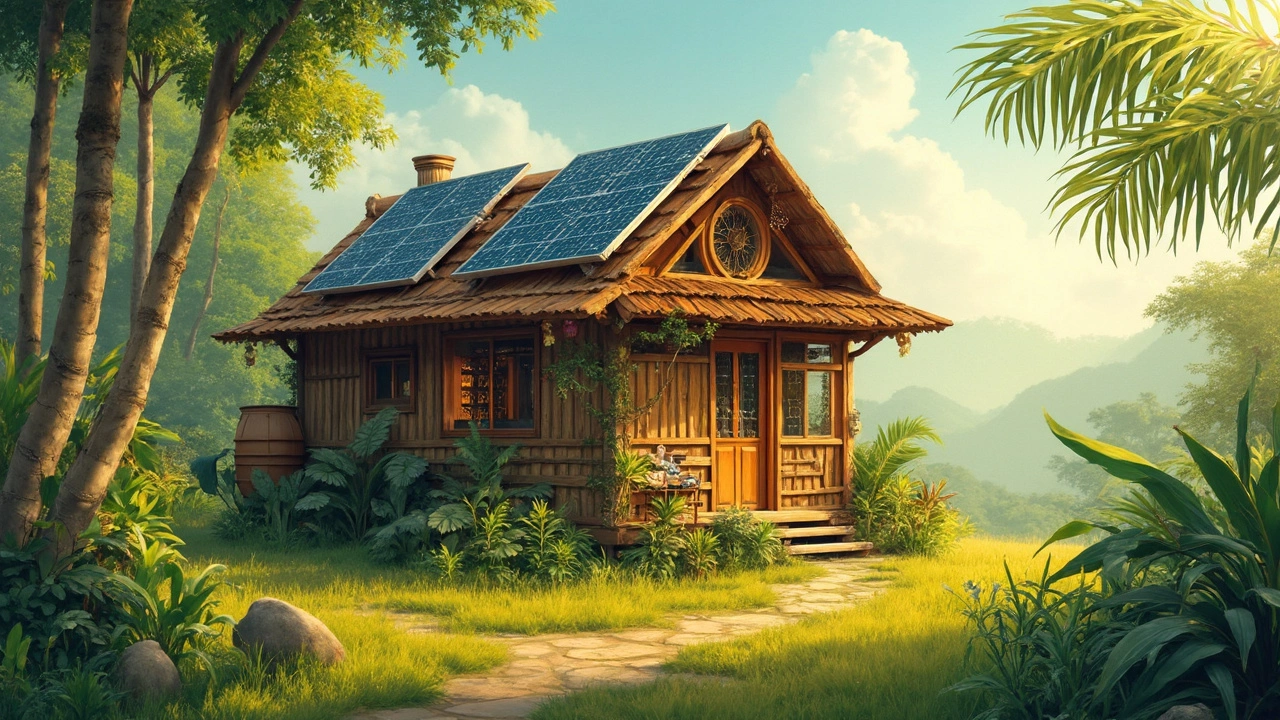
Real eco-friendly stays go beyond marketing buzzwords. Look at the eco-friendly cottages, small, energy-efficient homes built with natural, non-toxic materials and designed to blend into nature without disrupting it. Also known as sustainable cottages, they’re the quiet alternative to sprawling resorts that drain resources. Some, like the $1 billion net-zero home in British Columbia, generate their own power, grow their own food, and recycle every drop of water. Others are simple cabins powered by solar panels and heated by wood stoves. Both share the same goal: to exist lightly on the land. And they’re not just for billionaires. Many affordable eco-friendly cottages in India are now built with local bamboo, recycled steel, and passive cooling designs that cut energy use by 60%.
The net-zero mansion, a luxury home that produces as much energy as it consumes over a year, often through solar, wind, or geothermal systems. Also known as net-zero home, it’s no longer science fiction—it’s a growing reality in high-end retreats. But you don’t need a $37 million house to live sustainably. What matters is the system: insulation that keeps heat in, windows that let in light without letting heat escape, and materials that don’t pollute when they’re made or broken down. These aren’t fancy gadgets—they’re smart choices. And they’re exactly what you’ll find in the cottages and retreats featured here.
What you’ll find below isn’t a list of greenwashing ads. It’s real talk from people who’ve lived in these places. You’ll read about how much eco-friendly cottages actually cost, what makes a home truly sustainable (and what’s just a sticker), and why some "green" resorts are worse for the planet than a regular hotel. You’ll learn how to spot the difference between a cottage that runs on solar power and one that just looks like it does. And you’ll see how staying in an eco-friendly place doesn’t mean giving up comfort—it means getting more of what matters: peace, clean air, and a stay that doesn’t cost the earth.