Eco Architecture: Sustainable Design for Homes That Work With Nature
When we talk about eco architecture, a design approach that minimizes environmental impact through materials, energy use, and integration with the natural landscape. Also known as sustainable architecture, it’s not a trend—it’s a practical response to how we build where we live. Think of it as building homes that don’t just sit on the land, but belong to it. This isn’t about fancy gadgets or expensive certifications. It’s about using local stone, passive solar heating, rainwater collection, and natural ventilation to cut waste and keep comfort high.
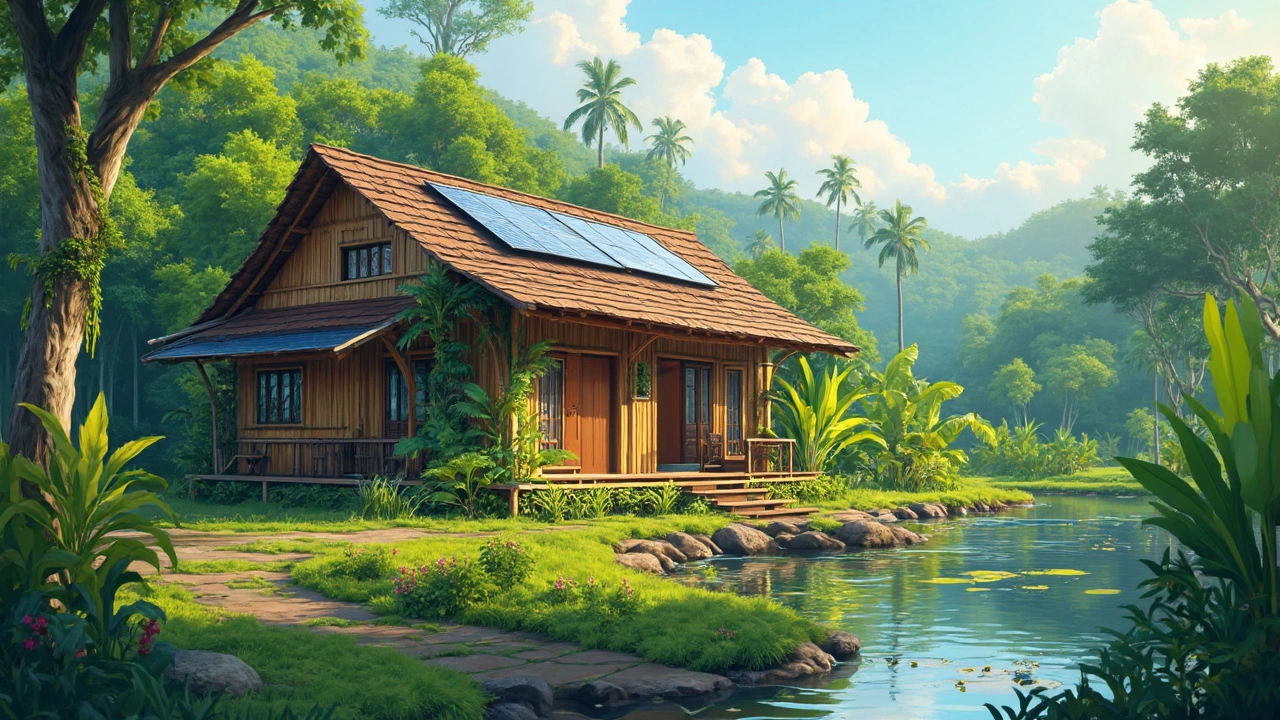
Real sustainable cottages, small, low-impact homes designed for minimal resource use and maximum harmony with surroundings. Also known as eco-friendly cottages, they’re often the most accessible entry point into eco architecture. These aren’t just tiny houses with solar panels slapped on top. They’re built with reclaimed wood, insulated with sheep’s wool, and oriented to catch winter sun while blocking summer heat. You’ll find them tucked into forests, hillsides, and even desert edges across India, where Woodland Hotel’s retreats blend into the landscape without disturbing it. And when we talk about green homes, residences designed to reduce or eliminate negative environmental impacts through energy efficiency, water conservation, and non-toxic materials. Also known as energy efficient homes, they’re the backbone of modern eco architecture., the goal isn’t perfection—it’s progress. A home that uses 70% less energy than a standard one is a win. One that generates its own power and filters its own water? That’s the kind of thing you see in the $1 billion net-zero mansion in British Columbia, but you don’t need that kind of price tag to get the same mindset.
What ties all these ideas together? It’s not just about saving money on bills—though that’s a big part. It’s about building something that lasts. A well-designed eco home doesn’t need constant repairs. It breathes with the seasons. It doesn’t fight the climate—it works with it. That’s why you’ll find posts here about how long tiny houses last, what makes luxury green homes worth the cost, and how to turn your Airbnb into a true eco space. These aren’t abstract ideas. They’re real choices people are making right now, from rural India to remote Canadian forests. Whether you’re planning a weekend getaway in a forest cottage or thinking about building your own retreat, the principles are the same: use less, waste less, and let nature do the heavy lifting.
Below, you’ll find real stories from people who’ve lived in these spaces—their costs, their surprises, the things they wish they’d known before they built. No fluff. No marketing. Just what works, what doesn’t, and why it matters.