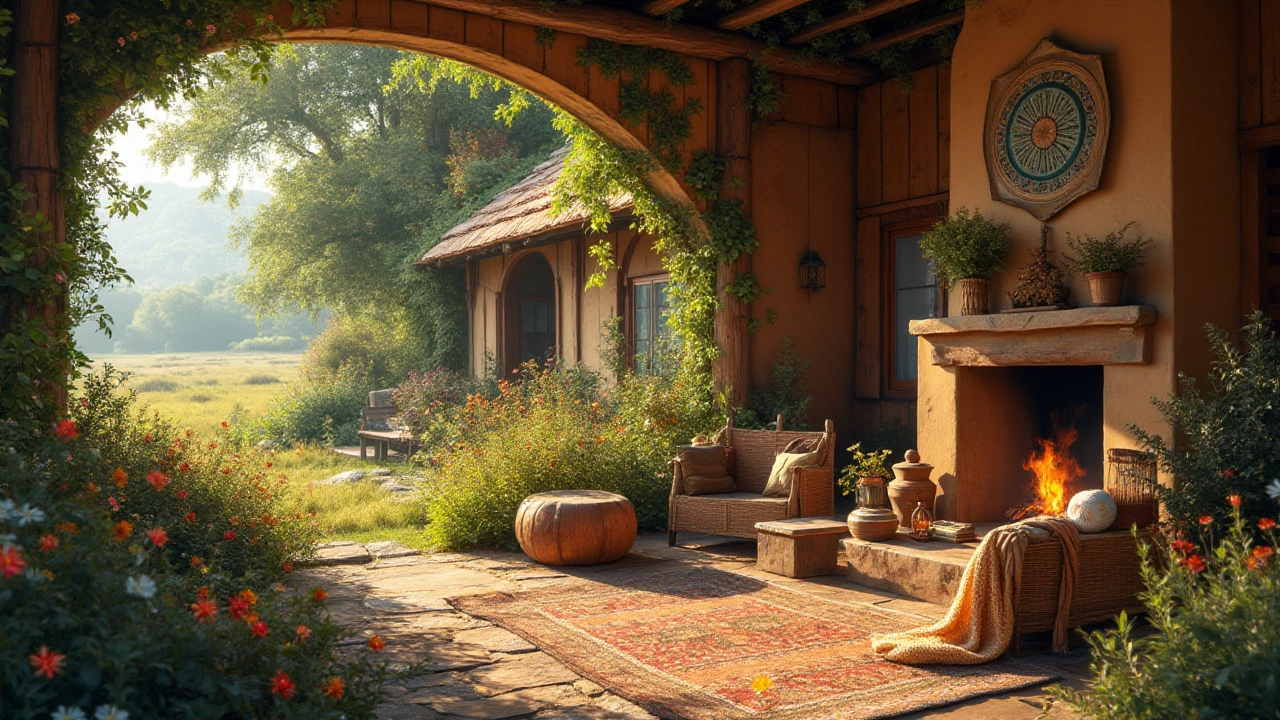
Country Living: Simple, Sustainable, and Full of Real Charm
When you think of country living, a way of life centered on quiet spaces, self-reliance, and connection to the land. Also known as rural living, it’s not just a trend—it’s a return to what matters: fresh air, quiet mornings, and homes built to last. It’s not about big square footage or fancy finishes. It’s about waking up to birds instead of traffic, growing your own food, and knowing your neighbors by name. This isn’t a fantasy—it’s happening right now in cozy cottages, off-grid cabins, and glamping sites across India’s quieter corners.
Real eco-friendly cottages, homes designed to use less energy, water, and waste while blending into natural surroundings are at the heart of this movement. People aren’t just buying them—they’re living in them full-time. Some build tiny houses that last 30 to 50 years with the right care. Others choose glamping spots that cost $75 to $800 a night, offering comfort without giving up the wild. What ties them together? A belief that comfort doesn’t need to mean excess. And when you look at the most expensive eco-friendly homes—like the $1 billion net-zero cottage in British Columbia—it’s clear: sustainability isn’t cheap, but it’s priceless when done right.
It’s not just about the house. It’s about the rhythm. No rush hour. No loud neighbors. No plastic-wrapped meals. Country living means cooking with local ingredients, fixing things instead of replacing them, and spending evenings under stars instead of screens. That’s why vacation cabins, private, often rustic retreats that offer space, silence, and deep relaxation are growing in popularity—not just as getaways, but as models for how we could live every day. And if you’ve ever wondered if all-inclusive resorts are worth it, you’ll find the answer here: sometimes, the best vacation is the one where you don’t need a resort at all.
What you’ll find below isn’t a list of ads. It’s a collection of real stories from people who’ve made the switch—whether they live in a $37 million green mansion or a $75-a-night glamping tent. You’ll learn what really makes a cabin worth it, how to spot the hidden costs of "unlimited" resort drinks, and why tipping housekeeping still matters—even when you’re far from the city. These aren’t theoretical ideas. They’re lived experiences. And if you’ve ever dreamed of stepping away from the noise, this is your roadmap.