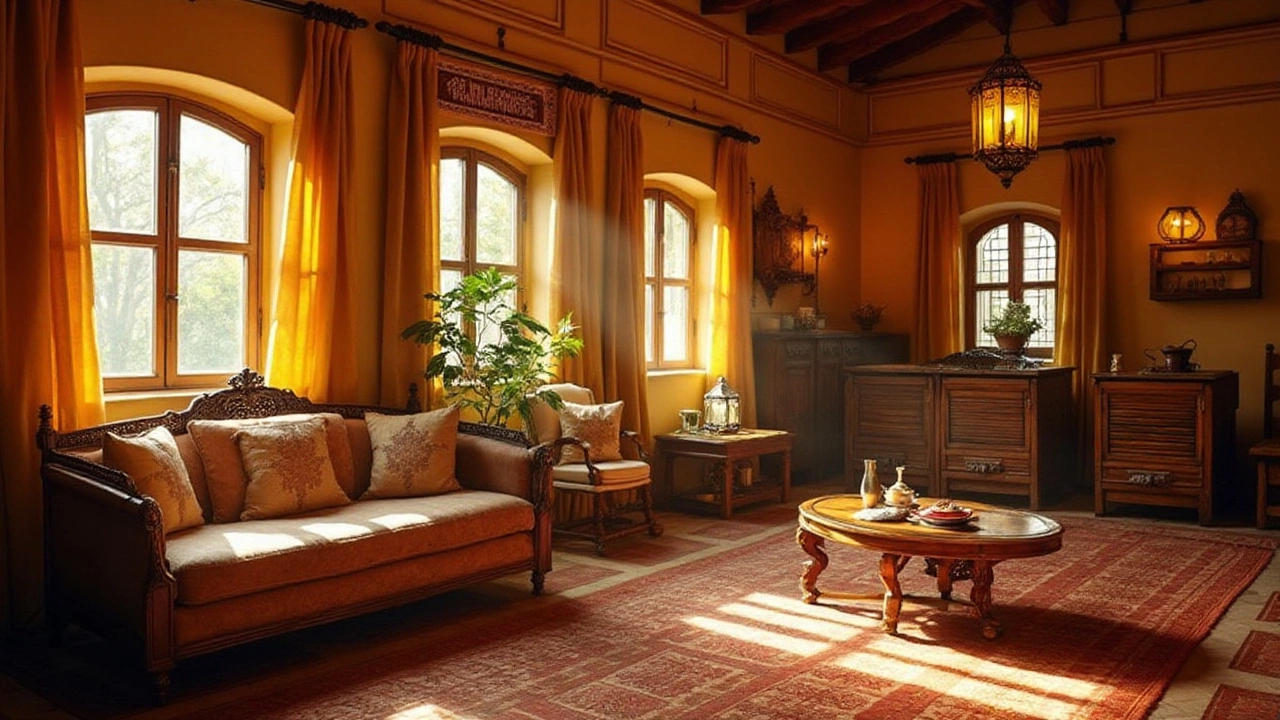
Country Cottage Style: Cozy, Sustainable Homes Inspired by Nature
When you think of a country cottage style, a charming, modest home built with natural materials and rooted in rural tradition. Also known as rustic retreat, it’s not just a design—it’s a way of slowing down. Think exposed beams, thick stone walls, small windows that frame the trees outside, and a porch where coffee stays warm longer than you expect. This style doesn’t shout. It whispers. And that’s why so many people are choosing it—not for Instagram, but for peace.
What makes country cottage style so powerful is how it connects to other things you care about. It’s closely tied to eco-friendly cottages, where solar panels hide under slate roofs and rainwater collects in old stone cisterns. It’s the same vibe as vacation cabins, where the point isn’t luxury—it’s quiet. You wake up to birds, not alarms. You cook with local honey, not hotel room service. And you sleep with the windows open, even in winter, because the air smells like pine and earth.
This style isn’t about being fancy. It’s about being real. A country cottage style home doesn’t need marble counters or smart lights. It needs a well-worn rug, a wood stove that cracks at night, and a garden that grows tomatoes even when you forget to water it. It’s the kind of place where your phone dies, and you don’t mind. You start noticing things again—the way light hits the kitchen table at 4 p.m., how the wind sounds different through the pines in autumn, why your hands feel calmer when you’re peeling potatoes instead of scrolling.
And here’s the thing: you don’t need to live in the middle of nowhere to feel it. That’s why so many people are renting vacation cabins in India’s hills and forests, not just for the view, but for the rhythm. These aren’t just places to sleep—they’re reset buttons. The same materials that make a cottage last decades—cedar, clay, hand-laid brick—are the same ones that make it feel alive. And when you combine that with eco-friendly cottages that generate their own power and grow their own food, you get more than shelter. You get a lifestyle that doesn’t cost the planet.
What you’ll find in these posts isn’t a list of design tips. It’s real stories—from someone who lived in a $1 billion net-zero cottage to another who saved money by skipping the resort and renting a cabin instead. You’ll learn why tipping housekeeping matters even in the quietest places, how much glamping really costs, and whether all-inclusive deals ruin the feeling of being away. Every article ties back to one truth: the best escapes aren’t the loudest. They’re the ones that let you breathe.