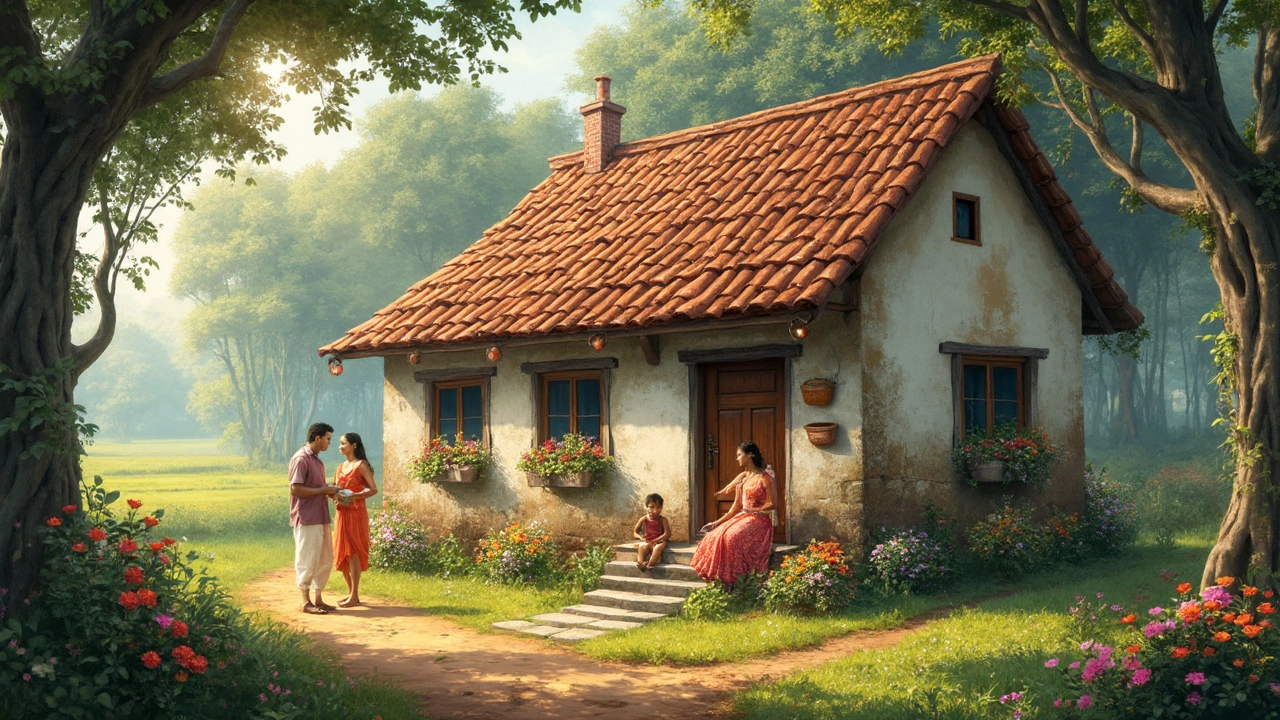
Cottage Qualifications: What Makes a Cottage Truly Comfortable and Sustainable
When people talk about cottage qualifications, the standards that define a cozy, well-built, and genuinely inviting rural retreat. Also known as cottage standards, it's not just about wood walls and a porch swing—it's about how well the space works for real people, in real weather, over real time. Many assume any small house in the woods counts as a cottage, but that’s like calling any chair a throne. True cottage qualifications include things like insulation that actually holds heat, windows that seal tight, drainage that doesn’t turn the floor into a swamp after rain, and materials that don’t rot in five years. These aren’t luxuries—they’re basics.
That’s why eco-friendly cottages, structures built with low-impact materials, energy efficiency, and minimal waste. Also known as sustainable cottages, it’s not just about solar panels or composting toilets—it’s about how every part of the building interacts with its environment. A cottage that uses locally sourced timber, has passive heating from south-facing windows, and runs on a small rainwater collection system isn’t just green—it’s smart. And it lasts. You’ll find this kind of thinking in posts about vacation cabins, small, often remote dwellings designed for short-term stays in nature. Also known as cabin getaways, they often overlap with cottages, but not always with the same level of finish or insulation. Some cabins are rough-and-ready. True cottages, with proper qualifications, are meant to feel like home—even if you’re only there for a weekend.
And then there’s luxury camping, a blend of outdoor adventure and high-end comfort, often in dome tents, yurts, or upgraded cottages. Also known as glamping, it’s not just about plush beds and fancy coffee makers—it’s about having the peace of nature without sacrificing basic human needs like warmth, privacy, and clean water. If you’ve ever stayed somewhere that called itself a cottage but had a leaking roof or no hot water, you know the difference. The best places—like Woodland Hotel—build their cottages with qualifications that matter: real insulation, proper ventilation, durable flooring, and thoughtful design that lets you unplug without suffering.
What you’ll find in the posts below isn’t a list of buzzwords. It’s a real look at what works—and what doesn’t—when it comes to cottages, cabins, and stays in nature. From how long a tiny house lasts to what makes an eco-friendly cottage worth the price, these articles cut through the marketing and show you what actually builds a great stay. Whether you’re booking your next getaway or just curious about what separates a good cottage from a great one, you’ll walk away knowing exactly what to ask for—and what to walk away from.