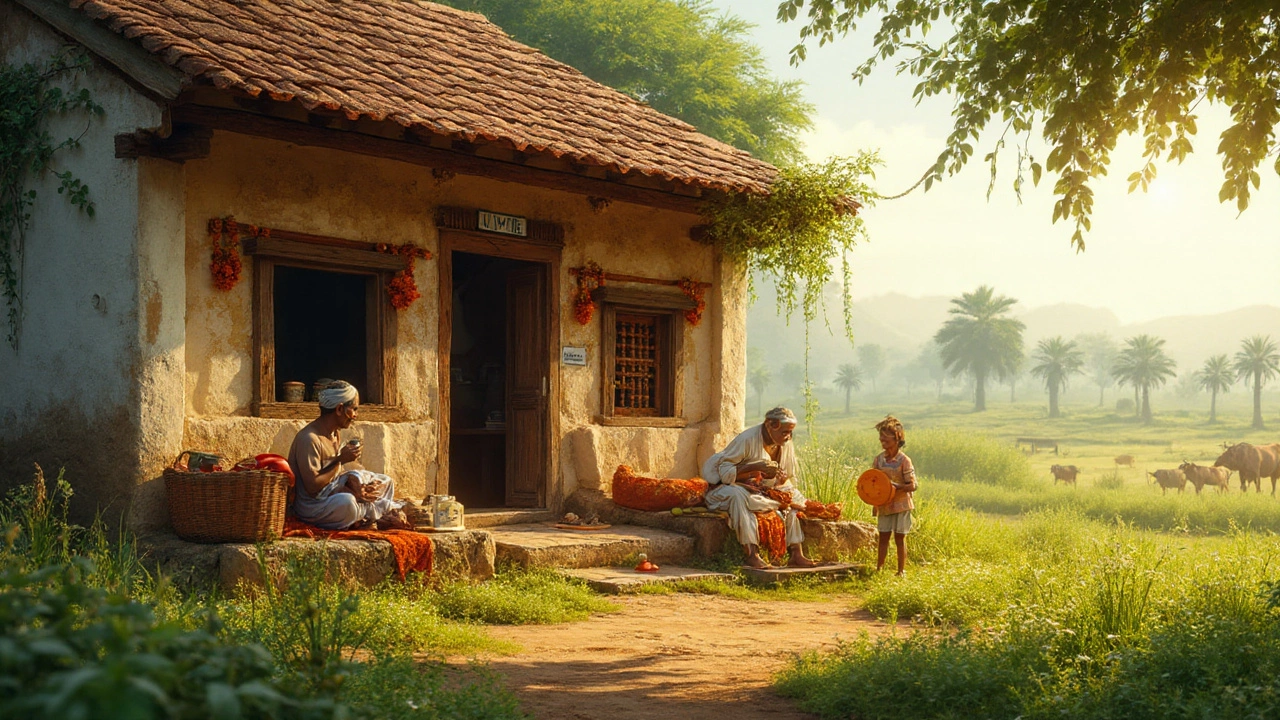
Rural Cottage: Meaning, Essentials, and Tips for an Authentic Getaway
Dig into what a rural cottage really is, from classic features and local charm to tips for that peaceful country escape you crave.
Read MoreWhen you think of cottage living, a way of life centered around small, cozy homes tucked into natural settings, often built with local materials and designed for quiet, self-sufficient living. Also known as rural retreat living, it’s not just about the building—it’s about the rhythm of days spent watching sunrise over trees, heating water on a wood stove, and sleeping with windows open to the sound of crickets. This isn’t a trend. It’s a return to something older, quieter, and more real.
People choose eco-friendly cottages, homes built or renovated to use less energy, produce minimal waste, and work with the land instead of against it. Also known as green cottages, they often include solar panels, rainwater collection, composting toilets, and natural insulation like straw bale or sheep’s wool. You’ll find these in the posts below—like the $1 billion net-zero cottage in British Columbia, or how to make your Airbnb cottage truly sustainable. These aren’t luxury showpieces. They’re practical homes built to last, not to impress.
Then there’s vacation cabins, temporary or seasonal homes rented for short stays, often in forests, mountains, or by lakes, designed for privacy and escape from city noise. Also known as cabin getaways, they’re not always cheap, but they offer something hotels can’t: silence, space, and the feeling that you’re the only person for miles. The posts here break down when they’re worth it—and when you’re better off staying in a hotel. Some people live in them full-time. Others book them once a year to breathe again.
And let’s not forget glamping cottages, a blend of camping and luxury, where you sleep in a well-furnished cabin with real beds, heating, and sometimes even hot tubs, all while surrounded by nature. Also known as luxury camping, they’re the middle ground between roughing it and booking a five-star resort. You’ll see prices from $75 to $800 a night—why? Location, season, and how much comfort they pack in. Some have wood-fired saunas. Others just have better Wi-Fi.
Cottage living isn’t about being poor. It’s about choosing what matters. Less stuff. More space. Cleaner air. Slower days. The posts here don’t sell you fantasy. They show you real costs, real trade-offs, and real people living this way—from the family who turned a cabin into their full-time home, to the couple who swapped their city apartment for a tiny eco-cottage in the hills. You’ll learn why tipping housekeeping at a resort doesn’t matter if you’re sleeping in a cabin with no staff. Why unlimited drinks at an all-inclusive mean nothing when your morning coffee comes from a campfire kettle.
There’s no single way to live in a cottage. But every version shares one thing: it pulls you away from the noise. Whether you’re staying for a weekend or a lifetime, the goal is the same—to find peace where the trees are taller than the buildings, and the only schedule is the sun.
Below, you’ll find real stories, real prices, and real advice—no fluff, no marketing spin. Just what works, what doesn’t, and why so many people are choosing to live smaller, quieter, and closer to the earth.
Dig into what a rural cottage really is, from classic features and local charm to tips for that peaceful country escape you crave.
Read More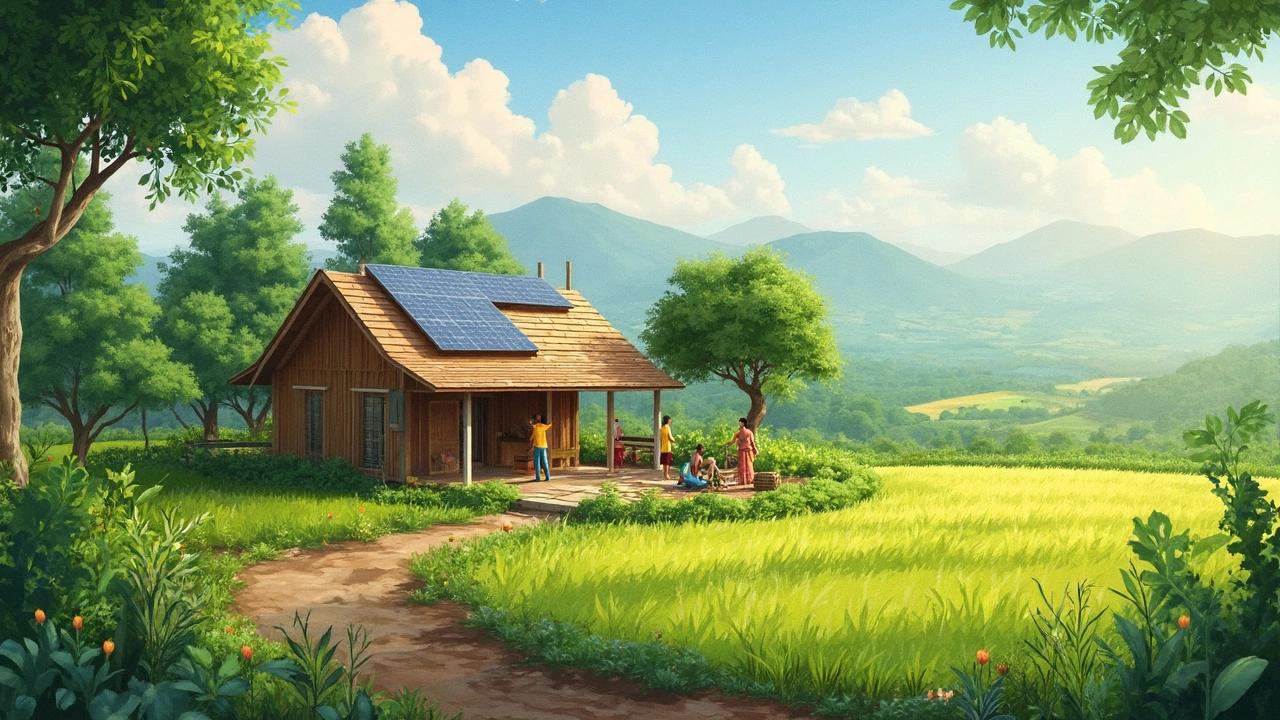
Thinking about moving into a cottage? This article looks at the ups and downs of cottage life, especially when you’re trying to stay eco-friendly. Find out how modern cottages can be energy efficient and sustainable, where costs and lifestyle changes fit in, and what daily life really looks like. Check out practical tips for making a cottage work for you and your wallet. You might be surprised at just how green—and comfortable—cottage living can be.
Read More