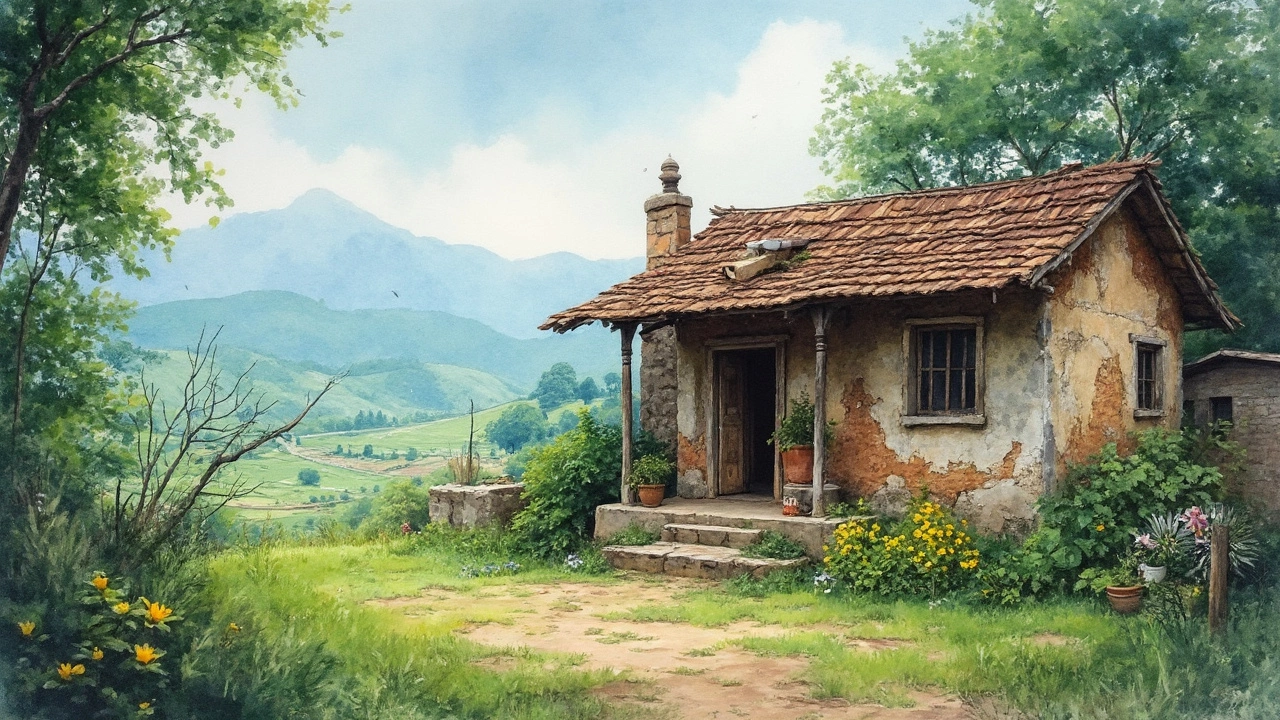
Cottage Homes: Cozy, Sustainable Stays in Nature
When you think of a cottage home, a small, often rustic dwelling nestled in nature, typically used for vacations or quiet getaways. Also known as vacation cabins, it’s not just a place to sleep—it’s a reset button for your mind. Unlike hotels with front desks and elevators, cottage homes give you space, silence, and a real connection to the outdoors. You’re not just staying somewhere—you’re settling into a rhythm that follows the sun, the birds, and the crackle of a wood stove.
Many eco-friendly cottages, homes built or retrofitted to reduce environmental impact through energy efficiency, sustainable materials, and off-grid systems. Also known as green homes, it’s a growing trend in travel are designed to use less power, collect rainwater, and even grow food. Some cost less than a luxury hotel room, while others—like the $1 billion net-zero cottage in British Columbia—prove sustainability doesn’t mean sacrificing comfort. These aren’t just cabins with solar panels. They’re living systems that work with nature, not against it.
Then there’s the glamping cottages, luxury camping experiences that combine the outdoors with high-end amenities like real beds, heating, and private bathrooms. Also known as luxury camping, it’s for people who want the peace of nature without roughing it. Think heated floors, hot tubs on the deck, and coffee served on a wooden porch while mist rises off the trees. Glamping isn’t a trend—it’s a new kind of relaxation. And it’s not just for couples. Families, solo travelers, and even remote workers are choosing cottages because they offer something hotels can’t: privacy, quiet, and real space to breathe.
What makes cottage homes different from villas? Size, yes—but more than that, it’s the feeling. Villas are often sprawling, formal, and designed for hosting. Cottage homes are intimate. They’re meant for two people reading by the fire, for kids chasing fireflies at dusk, for long mornings with no schedule. They’re built for connection—not show.
And here’s the truth: cottage homes aren’t always cheaper than hotels. But they’re often worth more. You’re not paying for a room. You’re paying for silence. For the smell of pine after rain. For the freedom to cook your own meals, wake up late, or sit outside with a book and not feel rushed. That’s not a cost. That’s a return on your well-being.
Whether you’re looking for a romantic cottage for two, a sustainable escape that lowers your carbon footprint, or a glamping spot that feels like a resort without the crowds, the posts below cover real experiences, hidden costs, and what actually matters when you choose where to stay. No fluff. Just what you need to know before you book.