Cottage History: Origins, Evolution, and Why They Still Matter Today
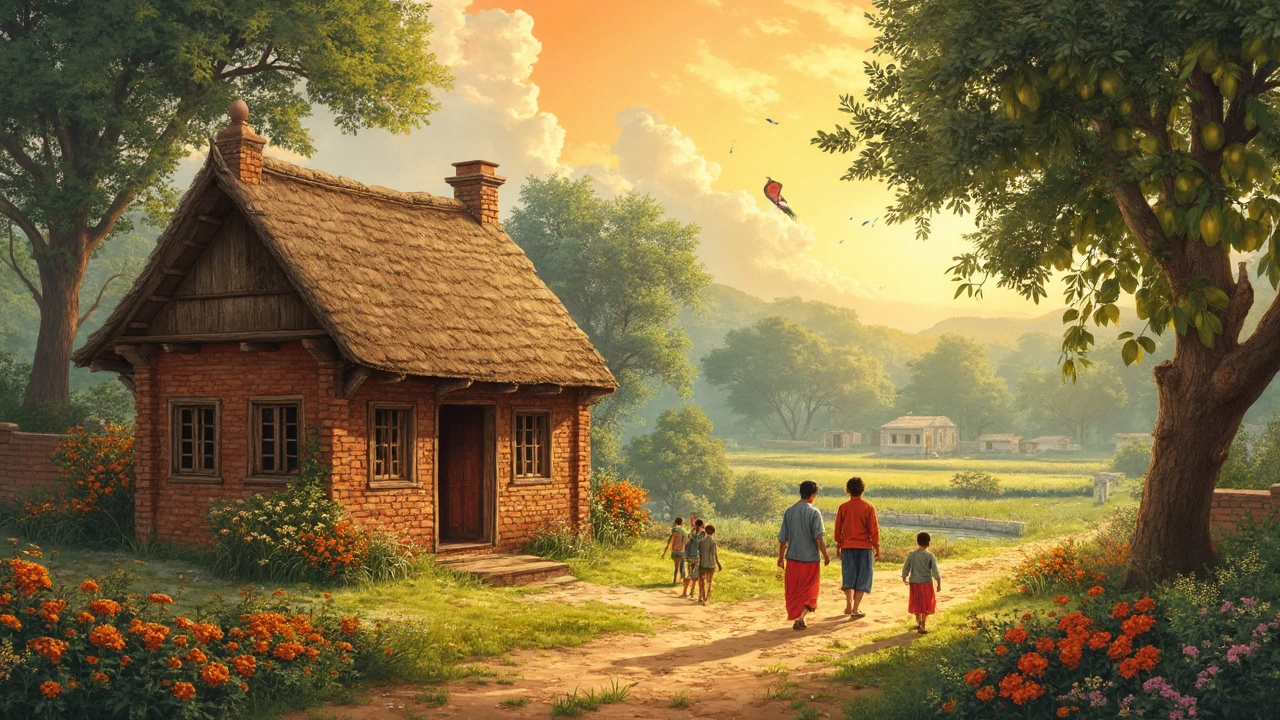
When we think of a cottage, a small, simple dwelling often nestled in rural or natural settings. Also known as a rustic retreat, it’s more than just a place to sleep—it’s a symbol of quiet living, self-reliance, and closeness to the land. Cottages weren’t built for show. They were built because people needed shelter that matched the land they lived on. In medieval England, cottages housed farm workers who tilled fields and raised animals. Their walls were stone or wattle and daub, roofs thatched with reeds, and windows small to keep out the cold. No fancy finishes. No electricity. Just warmth, function, and silence.
Over time, cottages changed as society did. In the 1800s, wealthy city dwellers started buying them as weekend escapes from crowded streets. By the 1950s, they became symbols of romantic simplicity—think of a stone cottage with climbing roses and a wood stove. Today, that same idea lives on, but now it’s wrapped in solar panels, rainwater systems, and smart insulation. The eco-friendly cottage, a modern take on the traditional dwelling designed to minimize environmental impact. Also known as a green home, it’s not just about looking pretty—it’s about lasting longer, using less, and giving back to nature. You’ll see this shift clearly in the posts below: from the $1 billion net-zero cottage in British Columbia to cozy glamping cottages that cost less than a hotel night. They all share the same DNA: small footprint, big peace.
What makes cottages different from villas or hotels? Size, yes—but more than that, it’s intention. A villa is built to impress. A hotel is built to serve crowds. A cottage is built to disappear into the woods. That’s why people still choose them. Not because they’re cheap, but because they’re real. You don’t just stay in a cottage—you feel it. The creak of the floor, the smell of pine smoke, the way the light hits the window just right at sunset. That’s the history you’re buying into.
And that’s why this collection matters. These aren’t just random articles about cabins or resorts. They’re stories about how we’ve carried the cottage spirit forward—from the first mud walls to the latest net-zero designs. You’ll find out why some cottages last 50 years while others rot in a decade. You’ll learn how tipping at a resort connects to the quiet dignity of rural living. You’ll see how a $75 glamping stay can feel more luxurious than a $500 hotel room. And you’ll understand why, even in a world of apps and AI, we still crave something small, slow, and made by hand.