Costs of Eco-Friendly Stays: What You Really Pay for Cottages, Glamping, and All-Inclusive Resorts
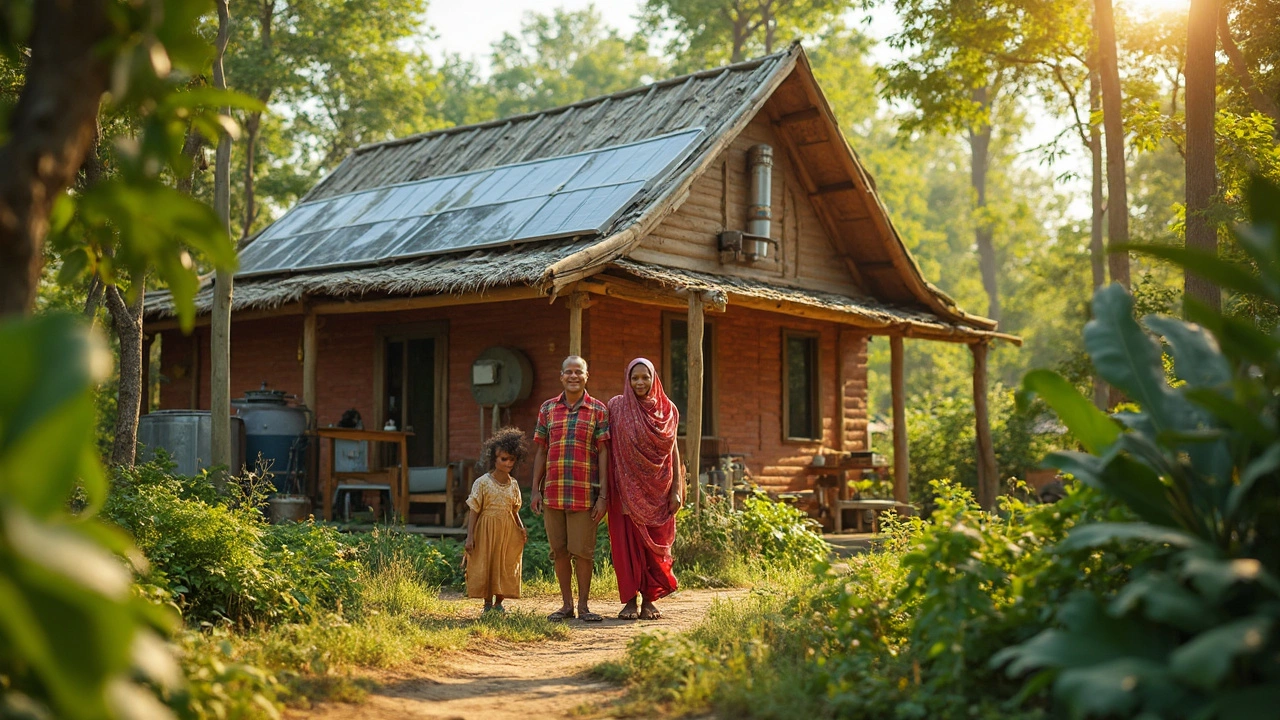
When you think about costs, the total price of a stay including hidden fees, upgrades, and long-term value. Also known as total vacation spend, it’s not just the nightly rate—it’s what you pay before, during, and after booking. Most people assume a cozy cottage or an all-inclusive resort is a simple price tag. But the real costs hide in the fine print: the extra charge for Wi-Fi, the $50 resort fee that wasn’t listed, the $150 upgrade to a view room you didn’t know you needed. And when it comes to eco-friendly cottages, small, sustainable homes built with renewable materials and energy-efficient systems. Also known as green homes, they often cost more upfront but save you money over time through lower utility bills and tax credits. A $300-a-night eco-cottage might seem expensive until you realize your electric bill is $12 a month and you’re not paying for bottled water or plastic toiletries.
Then there’s glamping cost, the price of luxury camping with real beds, heating, and sometimes private hot tubs. Also known as luxury camping, it’s not just tents with fairy lights—this is fully furnished cabins in the woods with real kitchens and en-suite bathrooms. Prices swing wildly: $75 a night in a state park, $800 in a remote forest with mountain views and a chef on call. What’s included? Sometimes it’s breakfast. Sometimes it’s a guided hike. Sometimes it’s nothing but the view—and that’s still worth it. And don’t forget all-inclusive hotels, resorts where meals, drinks, and some activities are bundled into one upfront price. Also known as all-inclusive resorts, they promise simplicity but often deliver surprises: drink limits, poor food quality, or a $200 fee for using the spa. Is it worth it? Only if you’re drinking five cocktails a day and never leaving the property. Otherwise, you’re paying for things you don’t use.
And then there’s the quiet truth about vacation cabins, private, often rustic homes rented for short stays, usually in natural settings. Also known as cabin rentals, they’re not always cheaper than hotels—but they give you something money can’t buy: silence, space, and the freedom to cook your own meals without resort markup. A $200-a-night cabin might seem pricier than a $150 hotel room, but if you’re feeding a family of four, you’re saving $100 a day on food. That’s $700 over a week. That’s the real math.
What you’re looking at here isn’t just a list of articles. It’s a practical guide to understanding what you’re really paying for when you book a stay. Whether you’re debating a $1 billion net-zero cottage or wondering if six drinks a day is all you get at an all-inclusive, we’ve got the real numbers, the hidden traps, and the moments when spending more actually saves you money. No marketing fluff. No vague promises. Just what you need to know before you click ‘book’.