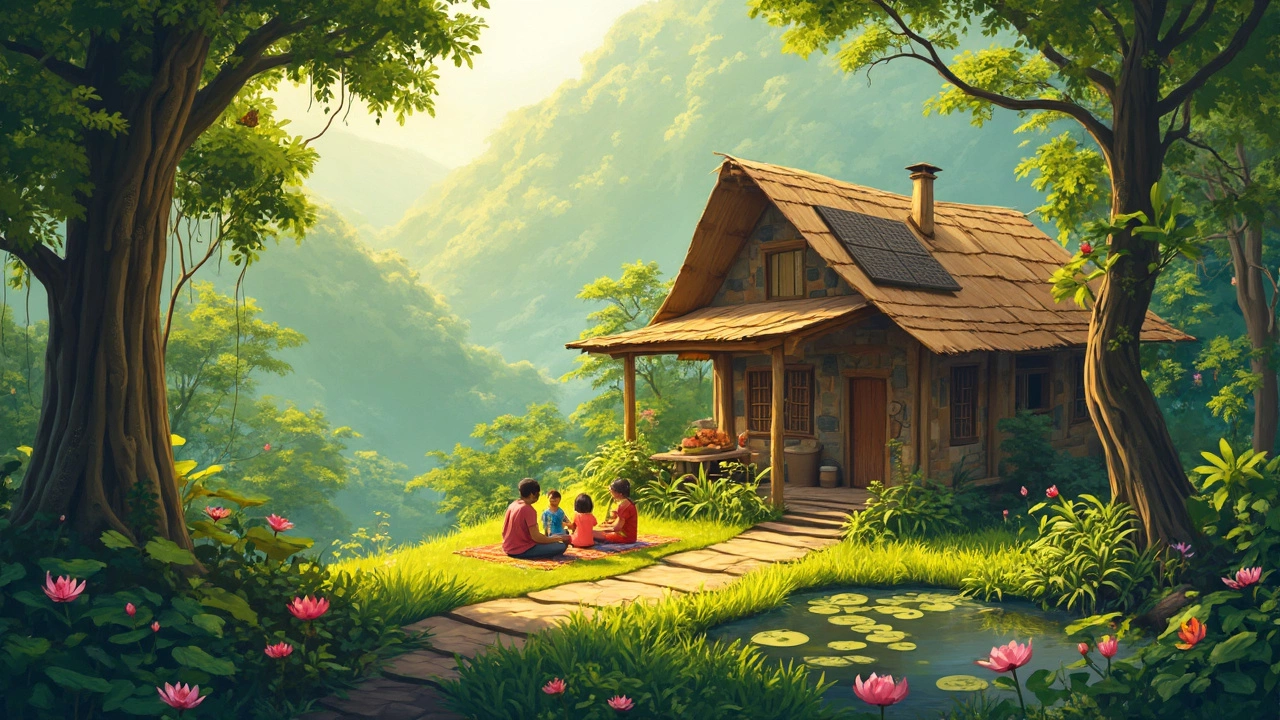
Cost-Effective Construction: Smart Ways to Build Affordable, Sustainable Homes
When you think of cost-effective construction, building a home that delivers long-term value without overspending. Also known as affordable sustainable building, it’s not about buying the cheapest materials—it’s about choosing what lasts, uses less energy, and saves money over time. Many assume green homes are luxury only, but that’s not true. The most cost-effective builds use smart design, local materials, and simple systems that reduce upkeep and utility bills for decades.
Take eco-friendly houses, homes designed to minimize environmental impact while maximizing efficiency. Also known as green homes, they often cost more upfront but pay back through lower energy bills, tax credits, and higher resale value. A well-built sustainable cottage, a small, energy-efficient home built with renewable or recycled materials. Also known as eco-friendly cottages, it can last 50 years or more with basic care—far longer than a standard box-built house. You don’t need a $37 million net-zero mansion to get real savings. Even modest cabins with good insulation, solar panels, and rainwater systems cut costs dramatically. The real trick? Build for your climate. A cottage in the mountains needs different features than one near the coast.
What makes energy efficient homes, homes designed to use minimal power for heating, cooling, and lighting. Also known as low-energy homes, they stand out isn’t the tech—it’s the thinking behind them. Sealing air leaks, using thermal mass, and placing windows for natural light cost little but save a lot. Many people skip these steps because they don’t see the upfront payoff. But if you’ve ever paid a $500 electric bill in winter, you know the difference. These aren’t fancy upgrades—they’re basics that most homes ignore.
And it’s not just about the building. The land matters too. A flat, sunny plot needs less grading and fewer materials. A wooded lot can provide shade and natural windbreaks. That’s free design. Reusing old foundations, salvaging bricks, or using bamboo flooring cuts costs and reduces waste. You don’t need to buy everything new to build well.
Some think cost-effective means small. It doesn’t. It means smart. A 1,200-square-foot cottage with solar, good insulation, and a rainwater system can be cheaper to run than a 2,000-square-foot hotel-style room with AC running all day. The real savings come from reducing what you depend on—electricity, water, repairs, replacements.
Below, you’ll find real stories from people who built or stayed in homes that prove you don’t need a fortune to live well. From tiny houses that last decades to glamping spots that feel like luxury without the price tag—you’ll see how cost-effective construction isn’t a trend. It’s the only way to build smart in 2025 and beyond.