Camp Cabin vs Cottage: Key Differences Explained
Explore the key differences between camp cabins and cottages, covering location, amenities, cost, and who each option suits best.
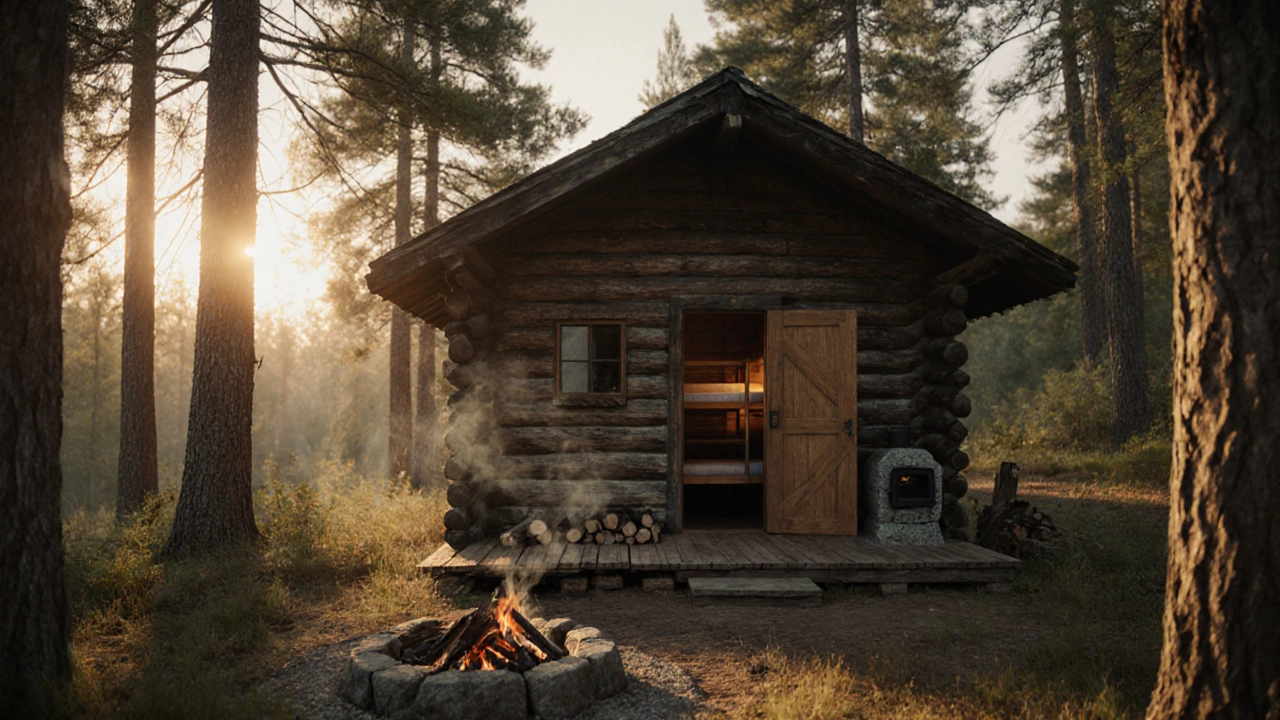
Read MoreWhen you think of a cabin, a small, often rustic dwelling built for rest and retreat, typically in natural settings. Also known as cottage, it’s more than just a place to sleep—it’s a mood, a pace, a way to disconnect. But not all cabins are created equal. Some are simple wooden boxes with a stove and a sleeping loft. Others have heated floors, private hot tubs, and floor-to-ceiling windows that frame the forest like a painting. The difference isn’t just in price—it’s in purpose.
What makes one cabin a quiet escape and another a luxury experience? It comes down to rustic cabins, basic, no-frills structures built for solitude and simplicity, often with limited amenities versus luxury cabins, high-end retreats designed for comfort, privacy, and premium features like smart systems, gourmet kitchens, and spa-grade bathrooms. Then there are the ones in between—cozy, well-built, and thoughtfully equipped, perfect for couples or small families who want comfort without the extravagance. The location matters too. A cabin tucked into the mountains feels different from one near a lake or nestled in a pine forest. Even the materials change the vibe: hand-hewn logs versus modern steel and glass. And don’t forget the layout. Some cabins are open-plan with a single living space. Others split into separate bedrooms, kitchens, and lounges—making them better for groups or longer stays.
You might wonder if a cabin is even worth it compared to a hotel. The answer isn’t about cost—it’s about control. In a hotel, you’re part of a system. In a cabin, you set the rhythm. You decide when to wake up, what to eat, and whether to sit by the fire or hike straight out the back door. That’s why people return. They’re not just booking a room—they’re buying silence, space, and the feeling that the woods are theirs for the night. And that’s something no all-inclusive resort can replicate.
Below, you’ll find real stories and breakdowns from people who’ve stayed in every kind of cabin—from the $75-a-night wooden shed to the $800-a-night glass-walled retreat. You’ll learn what’s actually included, where the hidden costs hide, and which type matches your kind of getaway. Whether you’re planning a solo reset, a romantic escape, or a family trip, the right cabin isn’t about size—it’s about fit.
Explore the key differences between camp cabins and cottages, covering location, amenities, cost, and who each option suits best.
Read More