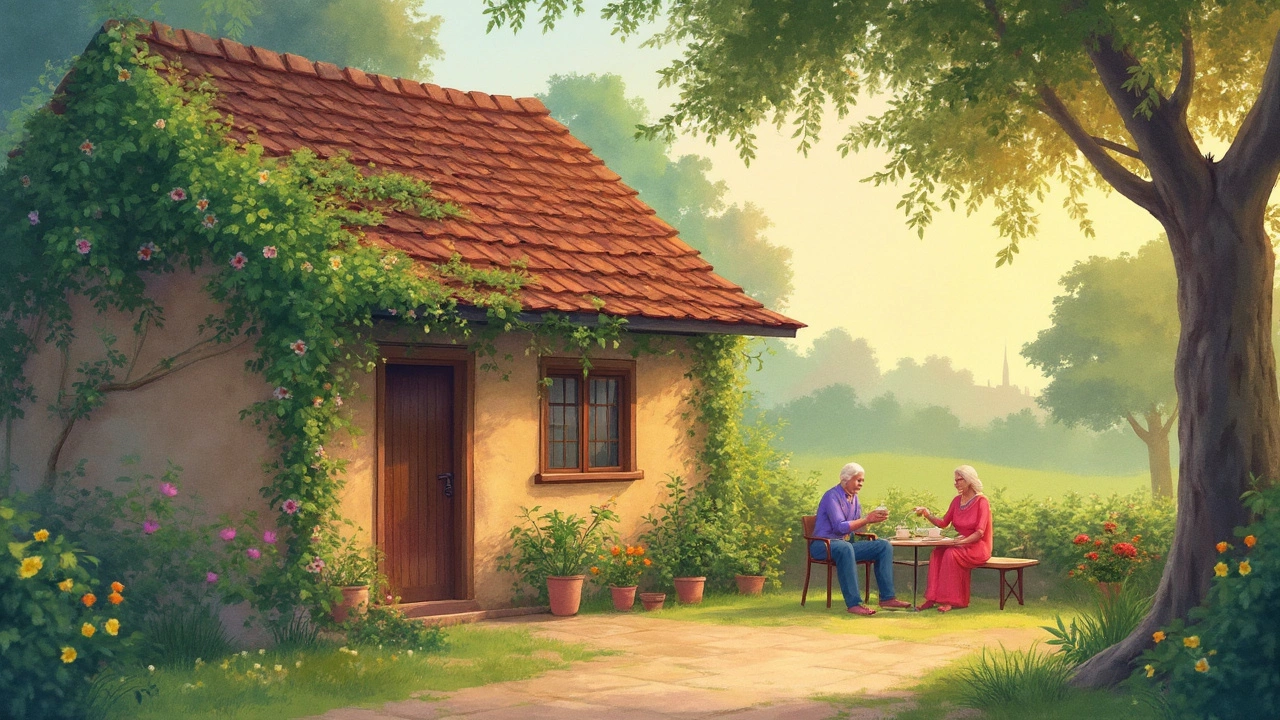
Architecture in Eco-Friendly Cottages and Luxury Retreats
When we talk about architecture, the deliberate design and construction of buildings to serve human needs while interacting with their environment. Also known as built environment design, it’s not just about how something looks—it’s about how it feels to live in it, how it uses resources, and how long it lasts. At Woodland Hotel, architecture isn’t an afterthought. It’s the foundation of every cottage, cabin, and luxury retreat. We don’t just build structures—we shape spaces that breathe with the land, stay cool without AC, and warm up naturally in winter.
This kind of design isn’t new, but it’s becoming smarter. eco-friendly cottages, small, energy-efficient homes built with natural, recycled, or low-impact materials. Also known as green cabins, they’re designed to leave a light footprint while offering maximum comfort. Think reclaimed wood floors, passive solar windows, and roofs that collect rainwater. These aren’t just trendy features—they’re practical choices that cut energy bills and reduce waste. And when you combine them with sustainable design, a holistic approach to building that considers energy, water, materials, and long-term impact from day one. Also known as regenerative architecture, it’s about giving back to the environment, not just taking from it., you get homes that last decades, not just seasons.
Then there’s luxury retreats, high-end stays that prioritize comfort, privacy, and seamless integration with nature. Also known as boutique eco-lodges, they prove you don’t need marble floors and gold taps to feel pampered. The real luxury? Quiet mornings with birdsong, walls that keep the cold out without electricity, and a layout that makes you feel like you’re part of the forest, not just visiting it. Some of the most expensive homes in the world—like that $1 billion net-zero cottage in British Columbia—are built with the same principles: self-sufficiency, durability, and harmony with nature. You don’t need a billion dollars to feel that. Just a well-designed cabin with good insulation and a view that doesn’t need a filter.
Architecture in these spaces isn’t about showing off. It’s about solving real problems: how to stay warm in winter without gas, how to keep cool in summer without AC, how to make guests feel safe and calm without loud TVs or bright lights. The best designs hide their intelligence. You don’t notice the solar panels, but you feel the warmth. You don’t see the rainwater system, but you drink clean water. You don’t count the number of windows, but you notice how the light changes through the day.
That’s what you’ll find in the posts below. Real stories about what makes a tiny house last 50 years, why the most expensive green homes cost millions, how glamping cabins balance luxury with sustainability, and what separates a true eco-friendly cottage from a marketing gimmick. No fluff. Just clear, practical insights from people who live in these spaces—and know what works.