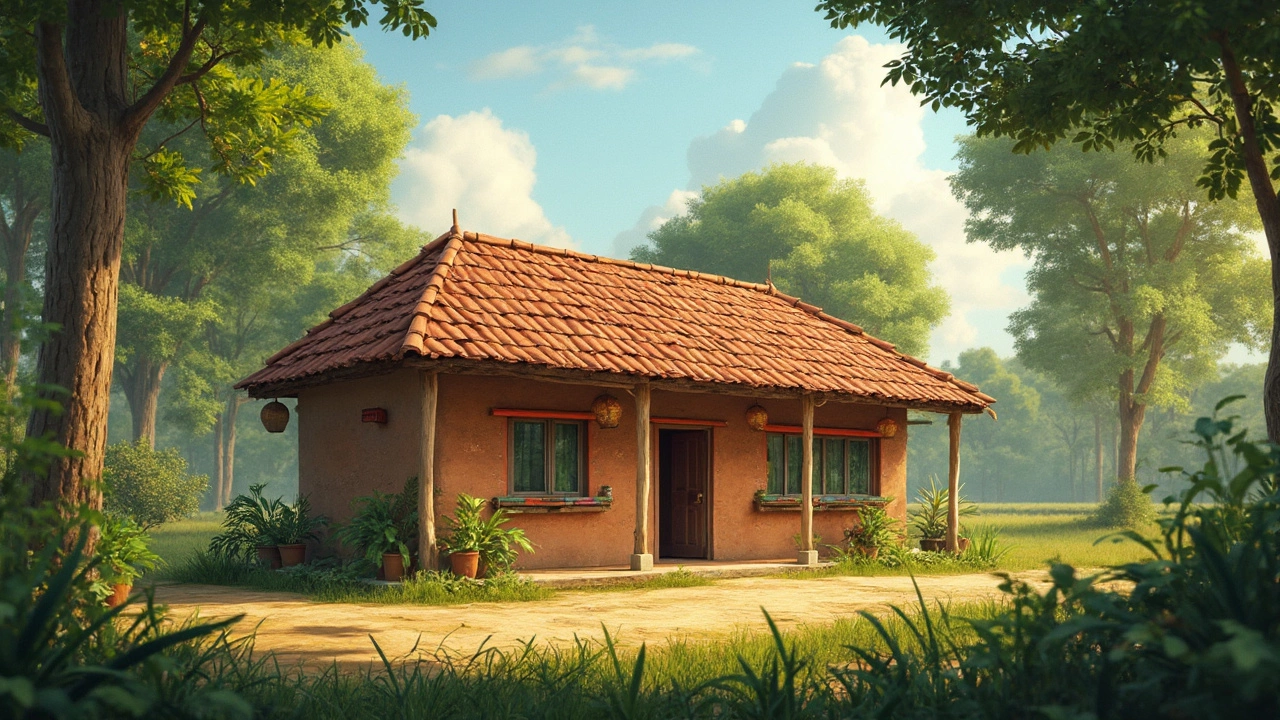
Affordable Building: Real Costs, Smart Choices, and What Actually Works
When people talk about affordable building, the process of constructing homes or cabins that balance cost, durability, and comfort without luxury markups. Also known as budget construction, it's not about cheap materials—it's about smart design that lasts. Too many assume low cost means poor quality, but that’s not true. The best affordable buildings use the right materials in the right places: insulated concrete forms for walls, reclaimed wood for floors, and solar-ready roofs that pay for themselves in five years. It’s not magic—it’s math.
What makes a building truly affordable isn’t just the price tag at the start. It’s what you pay over time. eco-friendly cottages, small, energy-efficient homes built with sustainable materials and passive design. Also known as green homes, they cut heating and cooling bills by up to 70%. That’s not a guess—it’s what homeowners in colder parts of India report after switching from standard brick-and-mortar builds. And it’s not just about solar panels. Simple things like proper window placement, natural ventilation, and high-quality insulation make a bigger difference than most people realize. You don’t need a $1 million net-zero mansion to get real savings.
Then there’s the labor factor. Many affordable building projects fail because they hire the cheapest contractor, not the most reliable one. A bad roof leak can cost ten times what you saved on labor. That’s why experienced builders who specialize in budget-friendly designs often end up cheaper in the long run. They know which materials hold up in monsoon season, which foundations avoid cracks in rocky soil, and how to avoid hidden costs like permits or delays. sustainable homes, residences designed to minimize environmental impact while maximizing efficiency and longevity. Also known as green building, they’re not just for eco-enthusiasts—they’re for anyone who wants to live well without overspending.
And let’s not forget location. A beautifully built cabin in a remote area might cost less to construct, but if you’re spending $200 a month on fuel just to get there, it’s not affordable anymore. The best affordable building starts with the land: is it flat? Does it have natural shade? Is it near water and roads? These factors shape the whole project before a single nail is hammered.
What you’ll find below isn’t a list of fancy designs or luxury finishes. It’s real talk from people who’ve built, lived in, and fixed up homes on tight budgets. From tiny houses that last decades to cabins that cut energy bills in half, these stories show you what works—and what’s just marketing noise. No fluff. No hype. Just what you need to know before you start digging foundations or signing contracts.