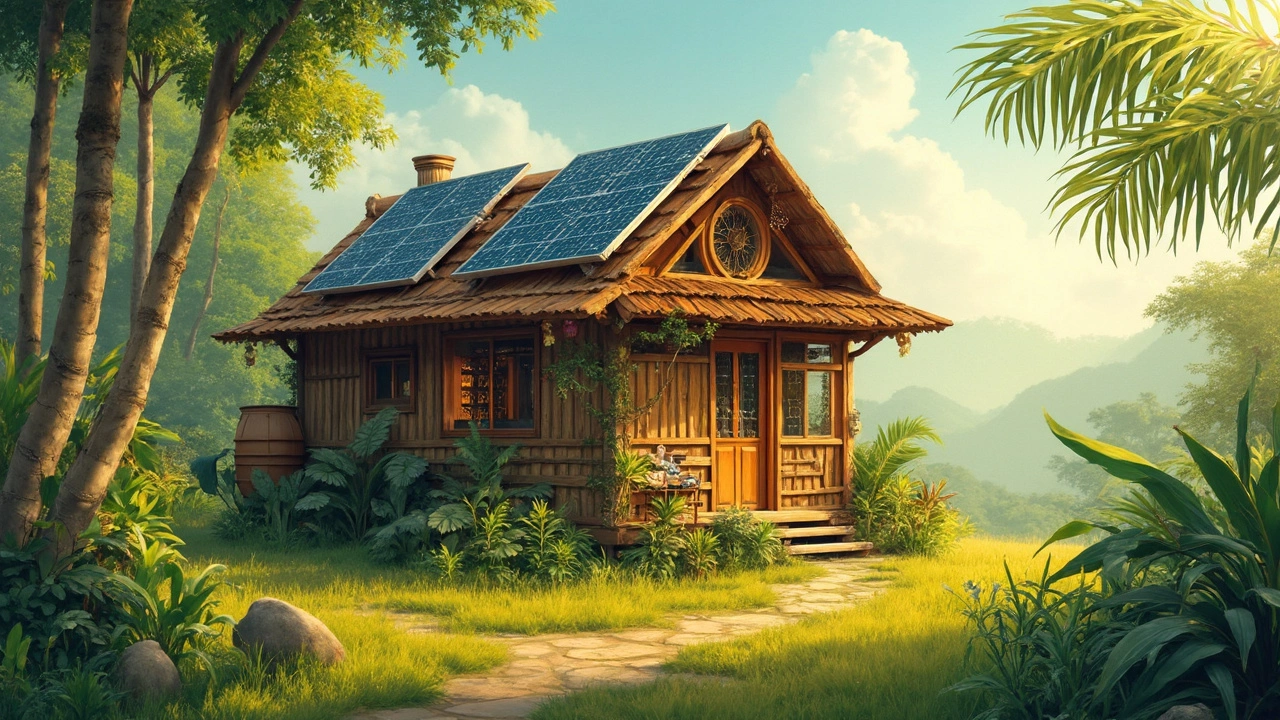
Tiny Houses: Real Lifespan, Costs, and What Makes Them Work
When people talk about tiny houses, small, mobile, or fixed dwellings built for minimal living, often with off-grid capabilities. Also known as micro-homes, they’re not just a trend—they’re a practical choice for people who want less clutter, lower bills, and more freedom. But here’s the thing: a tiny house doesn’t last just because it’s small. Its lifespan depends on what it’s made of, where it sits, and how well it’s cared for. Some last 30 years. Others, with solid materials and smart upkeep, hit 50—or even longer. That’s longer than many traditional mobile homes. Climate plays a huge role. A tiny house in humid Florida will need different protection than one in dry Arizona. Moisture, sun exposure, and temperature swings are silent killers if you ignore them.
Eco-friendly cottages, small, sustainable homes built with renewable or recycled materials and designed to minimize environmental impact. Also known as green homes, they’re often the foundation of the tiny house movement. These aren’t just about solar panels and composting toilets—they’re about building smart from the ground up. Think insulated walls that reduce heating needs, rainwater systems that cut water bills, and roofs that generate power. The most expensive eco-friendly house in the world costs $37 million, but you don’t need that kind of budget to build something that lasts. Even a $50,000 tiny house can outlive a $300,000 suburban home if it’s built right. And then there’s off-grid homes, dwellings that operate independently of public utilities like electricity, water, and sewage. Also known as self-sufficient homes, they’re a natural fit for tiny living. These homes rely on solar, wind, or generators for power, wells or rain catchment for water, and composting or septic systems for waste. They’re not for everyone, but for those who want true independence, they’re the gold standard.
People often confuse tiny houses with vacation cabins or glamping setups. But cabins are usually permanent, bigger, and built for occasional use. Glamping is about comfort in nature—think king beds and private hot tubs. Tiny houses are about living, every day, with less. They’re designed for real life, not just weekend getaways. That’s why maintenance isn’t optional—it’s part of the routine. Check your roof seals. Clean your gutters. Inspect your foundation. A tiny house doesn’t forgive neglect. But when you treat it right, it gives back: lower energy bills, quiet mornings, and the kind of peace you can’t buy in a big house with a mortgage. What you’ll find below are real stories, real numbers, and real advice from people who live in them. Whether you’re curious about durability, costs, or how to make one work for you, these posts cut through the hype and show you what actually matters.