Sustainable Materials: What They Are and Why They Matter for Eco-Friendly Stays
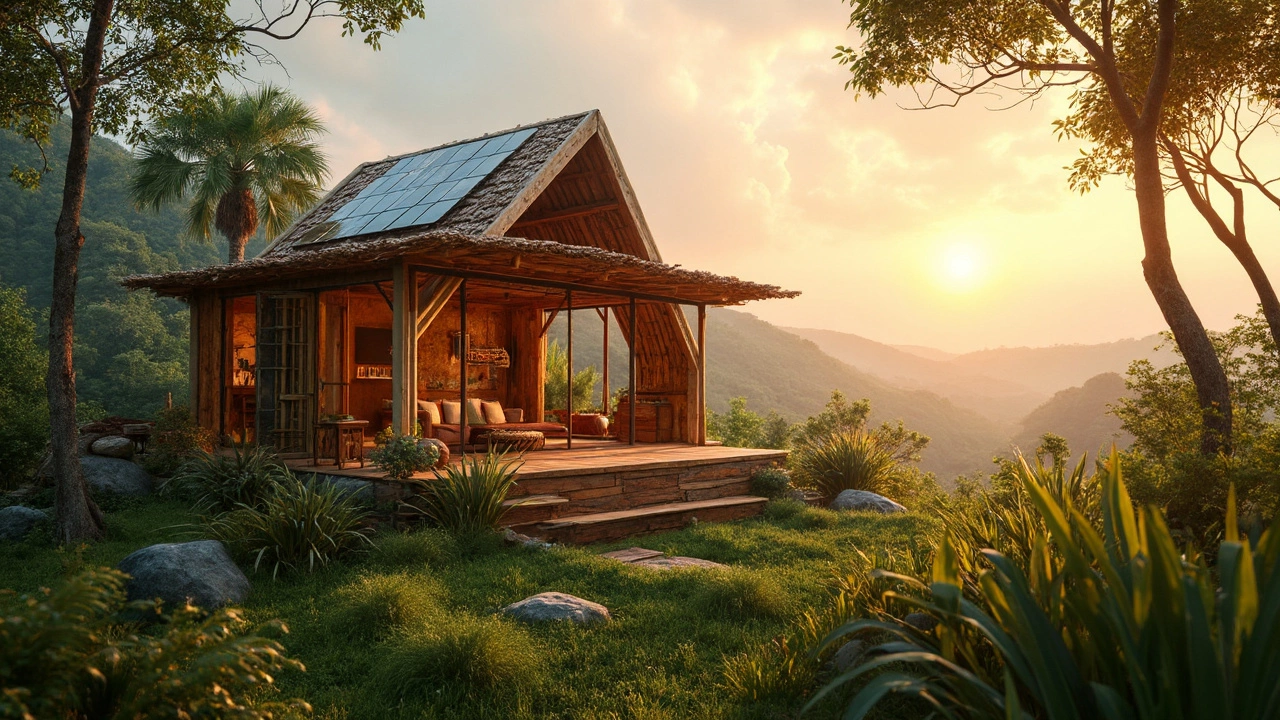
When you hear sustainable materials, building products made to last, reuse, or return safely to nature without harming ecosystems. Also known as green building materials, they’re not just a trend—they’re the quiet backbone of eco-friendly cottages, luxury glamping sites, and net-zero homes you’ve seen in posts about $1 billion cabins and energy-generating homes. These aren’t fancy labels. They’re real things: bamboo floors that grow faster than oak, insulation made from recycled denim, paint with zero toxic fumes, and concrete mixed with ash from rice husks. They’re used because they don’t drain the planet to make them—and they don’t poison the air you breathe when you’re trying to relax.
What makes a material truly sustainable? It’s not just if it’s "natural." It’s about the whole life cycle. Where did it come from? How was it shipped? Can it be repaired, reused, or broken down safely? A log cabin made from wood cut from a clear-cut forest isn’t green. But a cabin built with reclaimed timber from old barns, sealed with plant-based oils, and insulated with wool from local sheep? That’s sustainable materials in action. And it’s exactly what you’ll find in the high-end eco-lodges and budget-friendly retreats featured in our posts. You’ll see how eco-friendly cottages, small, self-contained homes designed to minimize environmental impact through material choice and energy use rely on these materials to cut energy bills, reduce waste, and feel more connected to the land around them. It’s also why some of the most expensive homes in the world—like that $37 million net-zero mansion—spend more on materials than most people spend on cars. Because when you’re building to last 100 years and give back more than you take, you don’t cut corners.
And it’s not just about the structure. Sustainable materials show up in the little things too: linen sheets instead of synthetic polyester, bamboo toothbrushes in the bathroom, soap bars wrapped in paper instead of plastic. These choices add up. They’re why some resorts can claim they’re carbon-neutral—and why others just greenwash. The difference? Real sustainable materials leave no trace. They don’t need replacing every five years. They don’t release chemicals into the air or water. And when they finally wear out, they don’t sit in a landfill for centuries.
What you’ll find below are real stories about homes and stays built with these materials. You’ll see how they affect durability, cost, comfort, and even how much you tip housekeeping (yes, it’s connected). Some posts show you the price tags. Others reveal the hidden trade-offs. One even breaks down why a $1 billion cottage isn’t just a status symbol—it’s a blueprint for how we could all live. This isn’t theory. It’s what’s already being built, used, and lived in across India’s quietest corners. Whether you’re planning a weekend escape or thinking about how to make your own space better, the answers are here. No fluff. Just what works—and what doesn’t.