Green Construction: What It Really Means and How It’s Changing Homes
When we talk about green construction, the practice of building homes using materials and methods that reduce environmental impact while improving energy efficiency. Also known as sustainable building, it’s not about adding solar panels to a standard house—it’s about rethinking every nail, window, and wall from the ground up. This isn’t just for luxury homes or eco-enthusiasts. It’s showing up in cottages, resorts, and even budget-friendly stays across India, where Woodland Hotel and others are quietly shifting how they build for the long term.
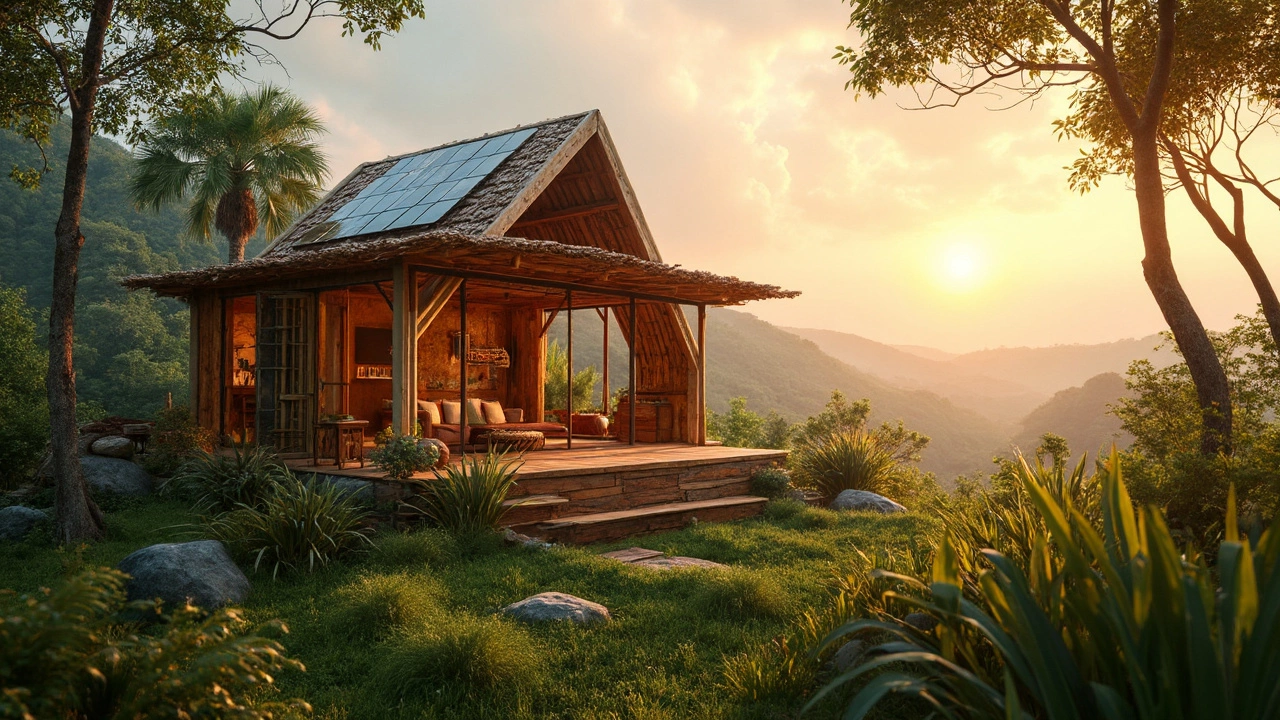
Green construction includes eco-friendly houses, homes designed to use minimal energy, recycle water, and avoid toxic materials, and it often overlaps with sustainable cottages, smaller, off-grid or low-impact dwellings that blend into nature rather than dominate it. You’ll find these in posts about billion-dollar net-zero mansions and $75-a-night glamping spots alike. The difference isn’t price—it’s intent. One might use reclaimed timber and rainwater harvesting; another might rely on passive solar design and non-toxic insulation. Both are green construction, just at different scales.
What makes this matter to you? Because the same materials and techniques that lower energy bills for a luxury home also make a cottage more comfortable in summer and cheaper to heat in winter. It’s why some vacation cabins last 50 years while others rot in 20. It’s why a $37 million eco-home generates its own power, and why a $75 glamping tent might still use composting toilets and solar lights. energy efficient homes, buildings designed to use less energy through smart design, insulation, and appliances aren’t a niche—they’re the future of quiet getaways, family cabins, and even all-inclusive resorts trying to cut costs without cutting corners.
And it’s not just about the environment. Green construction means fewer repairs, lower utility bills, and homes that hold their value. A net-zero mansion might sound extravagant, but the principles behind it—better insulation, natural ventilation, durable materials—are the same ones that make a simple cottage feel like a sanctuary. You don’t need a $1 billion house to benefit from smart building. You just need to know what to look for.
Below, you’ll find real stories about what makes homes last, what truly counts as sustainable, and how even small choices—like the type of wood used or how water is managed—can change everything. Whether you’re planning a weekend escape or thinking about your next long-term stay, this collection shows you what green construction really looks like in practice, not just in marketing brochures.