Eco-Friendly House: Real Costs, Benefits, and What Makes Them Last
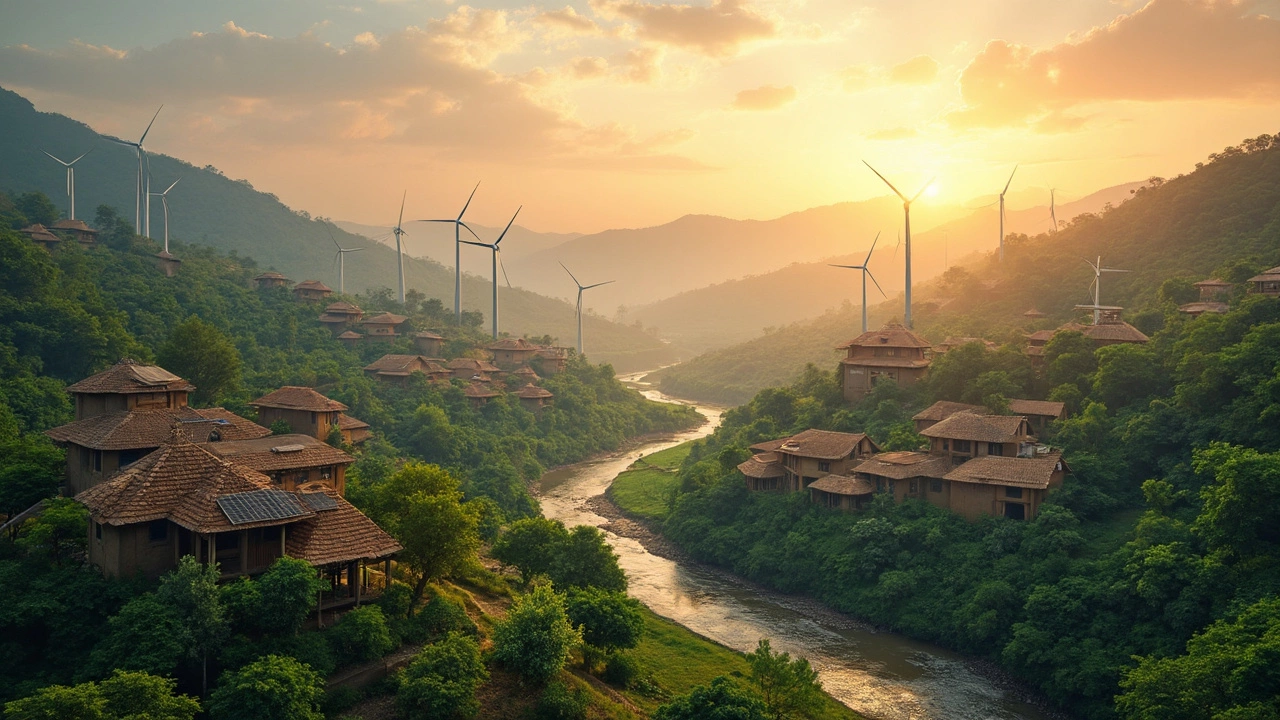
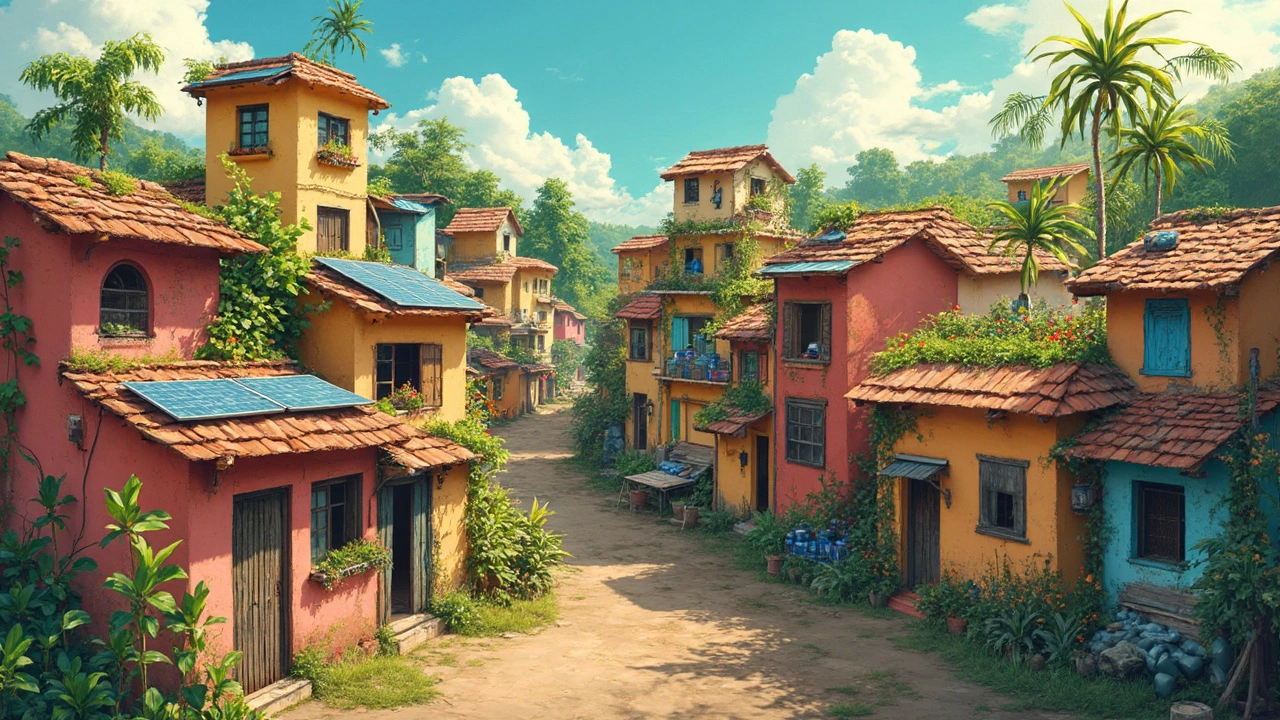
When you hear eco-friendly house, a home designed to use less energy, water, and materials while reducing environmental impact. Also known as green home, it’s not just a trend—it’s a smarter way to live that cuts bills and protects the planet. People think these homes are expensive luxuries, but the truth is, many are built with simple, smart choices: better insulation, natural light, rainwater systems, and locally sourced wood. You don’t need a $1 billion net-zero mansion to make a difference.
What makes an eco-friendly house, a home designed to use less energy, water, and materials while reducing environmental impact. Also known as green home, it’s not just a trend—it’s a smarter way to live that cuts bills and protects the planet. last? It’s not the solar panels or the fancy certifications. It’s the materials. Reclaimed timber, recycled steel, and non-toxic paints don’t just help the environment—they hold up better over time. A well-built sustainable cottage, a small, energy-efficient home often built in natural settings with low environmental impact. Also known as eco-friendly cottage, it’s designed for durability and comfort. can last 50 years or more with minimal upkeep. Compare that to a standard home that needs new windows, insulation, or roofing every 15–20 years. The upfront cost might be higher, but over time, you save on repairs, energy bills, and even property taxes in places that reward green homes.
And it’s not just about the house. An energy efficient home, a residence designed to minimize energy consumption through insulation, appliances, and design. Also known as energy-saving home, it’s built to reduce reliance on external power sources. often connects to the land around it. Think passive solar design, native gardens that need no watering, and outdoor spaces that feel like part of the home. That’s why places like Woodland Retreat focus on cottages that blend into forests and hills—not just because they’re pretty, but because they work with nature, not against it. You don’t need to live off-grid to feel the difference. Even small upgrades—LED lighting, low-flow showers, smart thermostats—add up.
Some people think eco-friendly means sacrificing comfort. But the best ones feel better. More natural light, cleaner air, quieter spaces. No chemical smells from paint or carpets. No noisy AC units running all summer. It’s not about being perfect—it’s about being intentional. And that’s what you’ll find in the posts below: real stories from people who built, rented, or stayed in these homes. You’ll see how much they cost, what actually saves money, and why some $37 million green mansions aren’t the answer for most of us. Whether you’re thinking of buying a cabin, renting an Airbnb, or just curious about what’s possible, the truth is out there—and it’s simpler than you think.